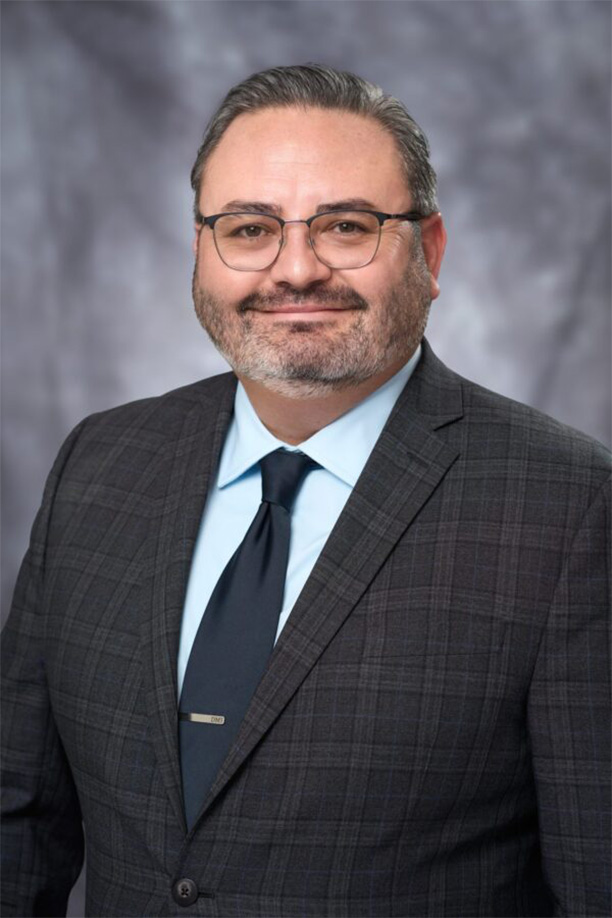
 Arizona business leaders know a strong economy depends on more than balance sheets and quarterly growth. Employees need safe housing, reliable childcare, food, health services and education. Across the state, nonprofit organizations provide much of that support while employing Arizonans, purchasing goods and services, and helping communities develop into places where businesses can grow.
That connection makes the selection of David Martinez III as the next chief executive officer of AZ Impact for Good important far beyond the nonprofit sector. Martinez will begin August 24 after a unanimous vote by the organization’s board of directors. He will lead the only statewide association that brings Arizona nonprofits together with foundations and other funders, representing nearly 1,000 members.







The Right Leader at the Right Time
“David is the right leader at the right time for AZ Impact for Good and the communities we serve,” says Matt Ellsworth, chair of the AZ Impact for Good Board of Directors. “Our Board unanimously selected David because of his deep understanding of Arizona’s nonprofit and philanthropic sectors, his collaborative leadership style and his lifelong commitment to strengthening communities.”
Ellsworth also points to a defining part of this moment: Arizona’s nonprofit sector continues to step up as community needs and operating pressures grow. David enters the role with experience on nearly every side of that work.
An Arizona Career Built on Service
Born and raised in rural Southern Arizona, Martinez is a first-generation college graduate whose career spans nearly two decades. At the Arizona Students’ Association, he represented 130,000 public university students and helped protect more than $14 million in state financial aid. At St. Mary’s Food Bank, he built advocacy and community partnerships that expanded access to food. He later led programs designed to increase community involvement at the Center for the Future of Arizona.
Most recently, Martinez directed strategic community partnerships at Vitalyst Health Foundation. He managed nearly $2.5 million in grants, organizational support and community participation work. His history with AZ Impact for Good dates to 2010 and includes public policy training, funder councils, statewide projects and support for the merger that brought nonprofit and philanthropic organizations into one association.
“I’ve always believed that to whom much is given, much is expected,” Martinez says. “Growing up in rural Southern Arizona, I benefited from the work of nonprofits, philanthropy and the people who invest in strengthening communities. That experience shaped who I am and inspired a career dedicated to supporting the nonprofit sector and the state I love.”
A Business Issue, Too
Martinez takes the helm during a complicated period in the nonprofit sector. Giving USA reported a record $617.2 billion in charitable contributions during 2025, but a separate national study estimated that the number of donors fell 3.6%. More money is coming from fewer people, giving large gifts, foundations and bequests a greater role. Local organizations face a year-round push for donors, which makes long-term relationships with businesses increasingly important.
Federal policy is adding another layer of uncertainty. In the past year, federal agencies have paused, reviewed or ended grants supporting community services, leaving some organizations to make staffing and program decisions with less certainty.
One proposal receiving close attention comes from the federal Office of Management and Budget. OMB writes the common rules federal agencies use to award and manage grants. Proposed changes released in May would give agencies broader discretion to suspend or end certain grants when priorities change, add new factors to applicant reviews, and revise which expenses federal funds may cover (sometimes on a grant already awarded). A nonprofit could follow an approved plan, hire employees and begin services, then face a funding change before the work is complete.
Leadership through Connection
These conditions called for a leader who understands the people delivering services and the institutions financing them. Martinez has worked as an educator, organizer, nonprofit manager, advocate and grantmaker. He knows how decisions can affect a neighborhood program, an employee’s family and, eventually, a local workplace.
Martinez plans to begin by listening to members across Arizona and learning what they need from their statewide association. His approach reflects a business lesson: Lasting growth comes from understanding the market, investing in relationships and responding to change with a clear purpose.
Arizona’s nonprofit network faces real pressure, but it also carries deep experience, public trust and a record of solving problems. David Martinez III begins this role with roots across that network and a personal reason for protecting it. His arrival gives AZ Impact for Good, its members and Arizona’s business community a chance to build stronger connections around the people and places they all depend on.