“Arizona is one of the nation’s fastest growing and most attractive hubs for biosciences,” says Sandra Watson, president and CEO of the Arizona Commerce Authority, noting also the corollary that the bioscience sector is one of the state’s fastest-growing industries. As the businesses we showcase in this article consistently attest, Arizona offers a rapidly growing workforce, modern infrastructure and an environment that, as Watson characterizes it, is both business-friendly and innovation-forward. And, of course, there’s Arizona’s highly vaunted collaborative environment that its leaders in government, community development organizations and the business community purposely foster — in this case bringing together industry, academia, and state and local partners that creates a multiplier effect not only attracting new investment but supporting companies of all sizes.





In fact, says Watson, “Arizona is a model for collaboration among research, education, industry leaders, suppliers, startups and more. Our healthcare ecosystem works together to drive breakthroughs, advance innovation and accelerate commercialization of solutions and products that can improve quality of life.”
She cites as example the Mayo Clinic’s Discovery Oasis. “The transformative 120-acre medical and research campus is expected to feature advanced research and development, medical equipment manufacturing, outpatient treatment facilities and associated tenant amenities within 3.3 million square feet, as well as leverage key industry and university partnerships, including Arizona State University.”
A few highlights regarding Arizona from the most recent “U. S. Bioscience Economy” report:
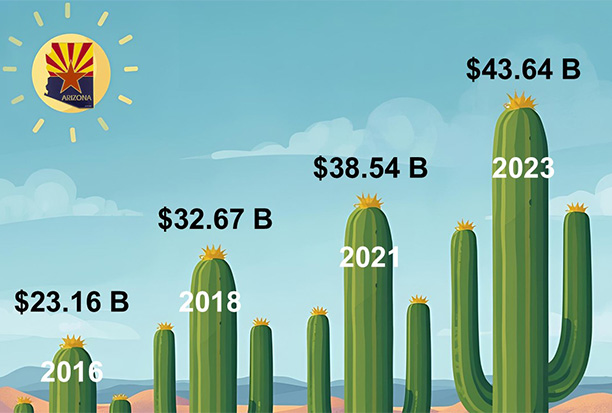
In the area of Industry Growth and Employment, Arizona’s bioscience industry demonstrated rapid growth, employing 40,399 people in 2023, a 24.6% increase since 2019, outpacing national growth rates; high wages, with the average wage $102,161, higher by 53% than the state’s private-sector average; and significant business presence, with 3,652 bioscience business establishments in 2023, a 44.4% increase since 2019.
In the area of Innovation and Patents, Arizona received 3,387 bioscience-related patents in the period 2019–2023, ranking in the second quintile among all states.
In the area of Research and Funding, bioscience academic research and development expenditures reached $683.3 million in 2022, with 45% of total R&D in the state focused on biosciences; from the National Institutes of Health, Arizona received $366.5 million in funding in 2023, showing steady annual growth since 2019; and bioscience companies attracted $281.8 million in venture capital in 2023, totaling $1.1 billion from 2019–2023.
Breaking down the disbursement of that $1.1 billion, the report shows venture capital significantly favors healthcare technology systems, investing $367.9 million in 2019–2023. The only other subsectors to break into the $100 millions in that period were pharmaceuticals ($142.5 million) and therapeutic devices ($139.4 million), with medical supplies, discovery tools and healthcare distribution at the opposite end of the funding spectrum.
Variously referred to as biotech and bioscience, the bioindustry is a diverse sector. Joan Koerber-Walker, president and CEO of Arizona Bioindustry Association, Inc., provides an overview of the breadth of its scope and impact. And we see the industry from the inside as we hear from 11 of the most innovative companies operating here in Metro Phoenix.
Flourishing Ecosystem: Foresightful Investment Pays Off
by Joan Koerber-Walker, President & CEO, Arizona Bioindustry Association, Inc.
Home to one of the fastest growing bioindustry sectors in the country, Arizona is benefiting from almost 30 years of investment into developing an ecosystem that supports the discovery, development and delivery of life science innovations designed to improve the human condition.
Just as nature requires ecosystems that work together to sustain life, the life science industry, also known as the Biosciences, is built on symbiotic relationships that include science, business and a wide range of support infrastructures that bring these products and services to market. Dedicated researchers at Arizona universities and other highly specialized laboratories are where discovery happens. This is the beginning of a journey that includes product development, experimentation, clinical trials, regulatory validation, medical or market acceptance, and a complex distribution and payment structure that is unique to the United States.
As economic impact grows, so do the tax base and the overall economy of the state. That means more money for education, more money for roads, more money to make life better for people across Arizona.
Advancing Non-Invasive Neurocritical Care
by Elsa Chi Abruzzo, President & CEO, Anuncia Medical
To understand how Anuncia is impacting healthcare, it is important to understand who Anuncia is as a company and what we do. Anuncia is addressing a clinical problem that has existed for decades that significantly impacts the lives of patients and families living with a condition called hydrocephalus. Excess cerebrospinal fluids (CSFs) can cause dangerous pressure on the brain and skull, and specialty drains called shunts are implanted. The shunt drains the excess cerebrospinal fluid from the brain’s ventricles to another part of the body, usually the abdomen, where it can be absorbed. Unfortunately, shunts have been proven over a period of time to become clogged or blocked. This requires immediate hospitalization and “revision” surgery procedures.
Anuncia has brought to market the ReFlow, an FDA-cleared patient management device to help clear the implanted shunt. This device can improve the lives of patients with hydrocephalus by helping prevent one of the biggest challenges they face — shunt blockage. Revision surgery can create risk for infection, additional hospitalizations, higher healthcare costs and tremendous anxiety for patients and families. Our patented ReFlow Mini device is designed to help maintain shunt patency (continuous flow) by restoring flow before a complete blockage occurs.
Forging Ahead in Minimally Invasive Care
by Rima Alameddine, Worldwide President, BD Peripheral Intervention
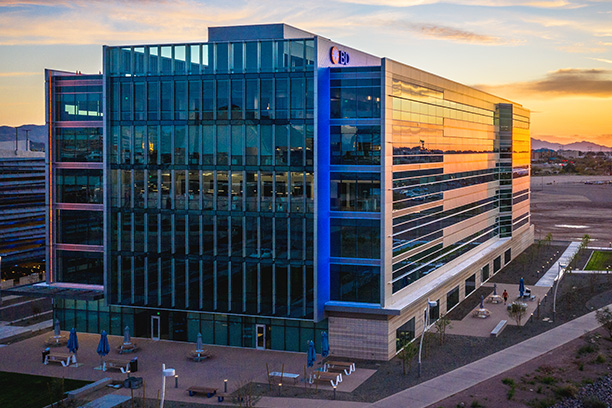
The future of minimally invasive care is being shaped in Tempe, Arizona. While BD’s global purpose is to advance the world of healthTM, that mission comes to life through the work of local teams whose innovations help millions of clinicians care for billions of patients around the globe. An essential component of that effort is BD Peripheral Intervention (BD PI), a $2-billion business unit headquartered at Tempe’s I.D.E.A. Campus.
For decades, BD has maintained a strong presence in Arizona. Today, more than 725 associates in the state contribute across engineering, manufacturing, research and development, quality, supply chain and business operations, helping support a global Peripheral Intervention organization of more than 1,000 associates.
The work taking place in Tempe has a direct impact on patients in more than 190 countries around the world. BD PI teams help develop, manufacture and support technologies used by physicians to treat peripheral artery disease, venous disease, pulmonary embolism and cancer. In 2026, BD PI launched the EnCor EnCompass™ Breast Biopsy and Tissue Removal System, expanding its portfolio of minimally invasive technologies designed to help clinicians improve care, including in women’s health.
Innovating in Tissue Restoration
by Jaime Leija; Co-Founder, President & CEO; BioLab Holdings
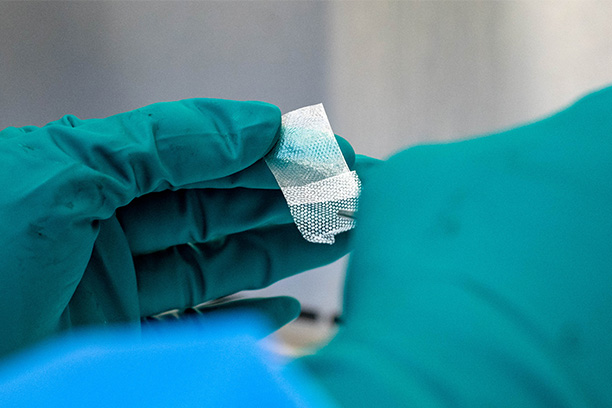
Our company, BioLab Holdings, is a Mesa-based biotechnology and tissue restoration company focused on advancing innovation across the continuum of care. Through clinician-driven strategy, partnerships and commercialization, we identify, develop and deliver breakthrough technologies that restore tissue and improve patient outcomes. At our core, we develop products that provide multiple tools to treat difficult-to-heal conditions rather than relying on a single solution.
From a healthcare impact standpoint, BioLab is helping shift the industry toward more personalized, data-informed treatment. Through clinical trials, real-world evidence (RWE) studies and developing technologies like imaging diagnostics, we are working to enable earlier detection of complications and more tailored care decisions. Our focus on chronic, non-healing wounds, an area that requires long-term management and often lacks efficient solutions, positions us to improve outcomes while helping providers treat patients more effectively and efficiently.
Our recent growth, including significant increases in demand, workforce and laboratory capacity, reflects both our momentum and the region’s ability to support scaling life science companies. Located in a market with strong research institutions and healthcare systems, we benefit from being part of a network where universities, providers and emerging biotech companies work in close proximity to drive research.
Targeting Therapeutics for Oncology
by Steven Potts, Co-Founder & CEO, Breakthru Medicine
Breakthru Medicine is a preclinical biotech developing multiple targeted therapeutics for oncology across a wide range of solid tumors. Breakthru’s team of veteran drug developers has collectively brought more than a dozen drugs to market and has advanced late-stage programs with the potential to transform outcomes for one of the most lethal forms of cancer. The team’s experience is Breakthru’s “superpower,” knowing when to keep pursuing a target, when to pivot, and when to eliminate a program — a capability that increases the likelihood of delivering meaningful new options to patients.
Biotech is increasingly using AI to discover new targets, predict protein structures, generate new molecules and identify novel biomarkers, among other tasks. Breakthru is using AI as well, but given its veteran team, we have a new term: “GreyI™,” which is the ability to recognize patterns based on years of experience in building compounds, seeing most fail and some succeed, and learning why this happened. It’s somewhat like raising a child — we can look back on years of successes and failures and imagine what we’d do better if given the chance again.
Ensuring Domestic Sourcing for Medicine Essentials
by Tony Quinones, CEO, Bright Path Laboratories
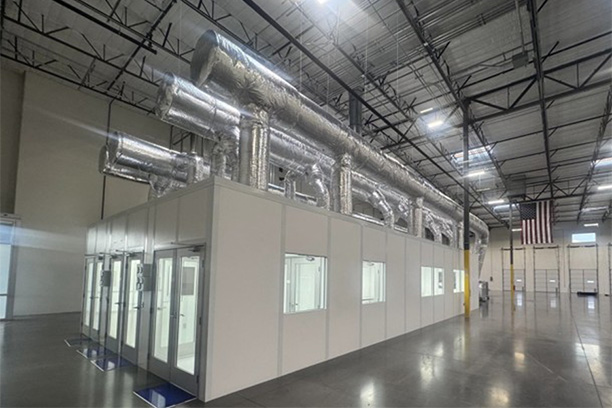
Bright Path manufactures essential medicines — the generic, small-molecule drugs that hospitals, clinics and pharmacies depend on every day — in Mesa, at our facility at Falcon Field. Most Americans don’t realize that the active pharmaceutical ingredients in the majority of these medicines are made overseas, which is why drug shortages have become a recurring crisis for American healthcare. Our answer to that problem is operating in Arizona.
What makes Bright Path different is that we design, build and operate the core manufacturing components ourselves. We designed, engineered and built our own continuous-flow reactor hardware to make active pharmaceutical ingredients, and we wrote our own software — an AI-driven quality platform, coded in-house — to run it. We didn’t buy this system off a shelf, because it doesn’t exist on a shelf. That vertical integration is the innovation: Our platform cuts production cycle times by roughly two-thirds, verifies quality in real time rather than waiting on end-of-batch lab testing, and automates much of the regulatory documentation that traditionally takes years to prepare. The result for healthcare is critical medicines made faster, at consistently verified quality, with a supply chain measured in miles instead of oceans.
Greater Phoenix Is Shaping the Future of Precision Medicine
by David Spetzler, President, Caris Life Sciences
Cancer remains one of humanity’s most complex challenges. For generations, physicians have made treatment decisions based largely on what they could see under a microscope, where a tumor originated and how similar patients responded in the past.
Today, that paradigm is changing. We are entering an era where cancer can be understood at the molecular level, revealing the unique biology that drives each patient’s disease. At Caris Life Sciences, we believe every cancer patient deserves that deeper understanding because every cancer is biologically unique.
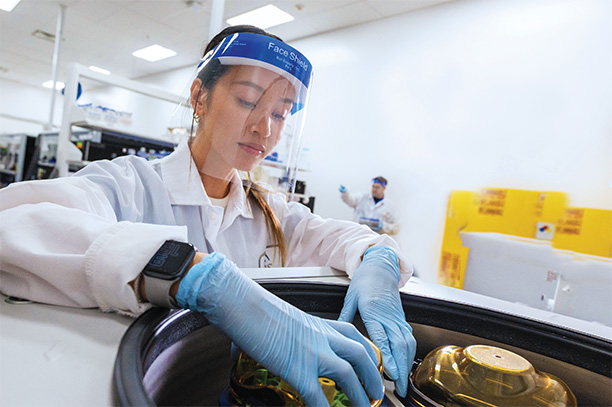
That belief guides everything we do. From our Phoenix laboratory, which has more clinical sequencing capacity than any other facility in the world, Caris profiles nearly 1,000 cancer patients every day using comprehensive whole exome and whole transcriptome sequencing technologies. To date, our molecular profiling has helped guide treatment decisions for more than one million cancer patients worldwide. Rather than examining only a small subset of genes, we analyze the full molecular blueprint of a patient’s cancer to help physicians identify therapies that provide the greatest potential benefit.
Translating Scientific Discoveries into Viable Diagnostics
by Kristen Oelschlager, Co-Founder & COO, Castle Biosciences
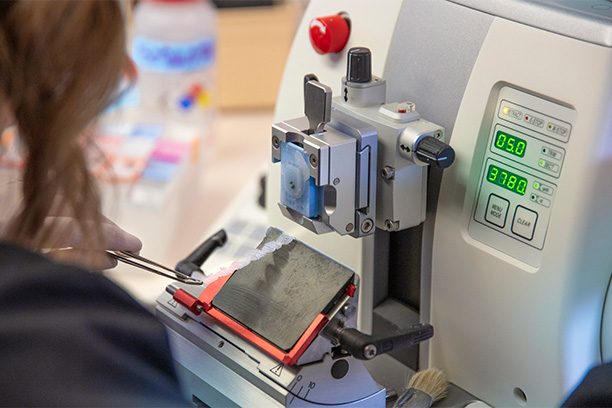
As one of Castle Biosciences’ three original founders, I have had the privilege of helping the company grow from a small, early-stage organization into a leading diagnostics company serving patients and clinicians across the country. Castle began operations in 2008 and established its first laboratory presence in Phoenix the same year. From the beginning, our goal has been to better understand the biology of a patient’s disease and turn that information into meaningful insights that help clinicians make more informed, individualized decisions about their care.
Castle Biosciences represents the commercial diagnostics and precision-medicine segment of the Greater Phoenix region’s bioscience ecosystem, and our state-of-the-art laboratory in Phoenix is central to that work. There, our highly skilled team helps translate scientific discoveries into tests that clinicians use to guide important care and treatment decisions for their patients based on each individual’s disease biology.
Manufacturing Biosensing Technology at Scale
by Ian Topic, Vice President of U.S. Manufacturing, Dexcom
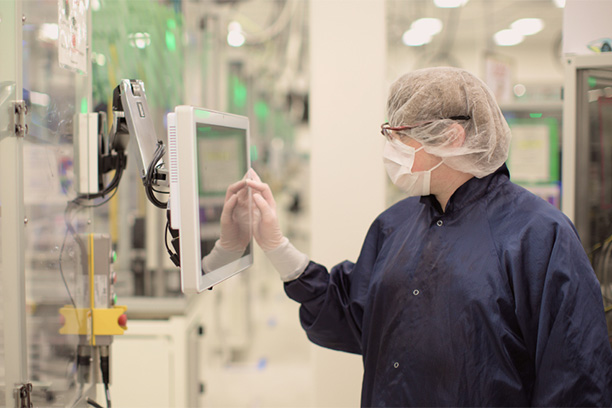
At Dexcom, we make glucose biosensing technology that gives people living with and without diabetes real-time visibility into their glucose levels. For millions of people, biosensing technology transforms diabetes management and daily life by putting actionable data directly into the hands of users and their care teams. The shift from reactive treatment to proactive management represents one of the most important transitions happening in healthcare today.
Manufacturing this technology at scale in the United States is a responsibility we take seriously at Dexcom. Our journey in Arizona started in 2018 with a 10,000-square-foot facility and has grown to a 500,000-square-foot facility that serves as one of two key manufacturing facilities supporting Dexcom’s global growth.
The region’s advanced manufacturing base, engineering talent pool and presence of institutions like Arizona State University create a foundation that supports medtech manufacturing demands. That concentration of skilled professionals gives companies like Dexcom access to the talent we need to build world-class products right here at home.
Furthering Breakthroughs in Regenerative Medicine
by Mohammad Albanna, Founder & CEO, Humabiologics
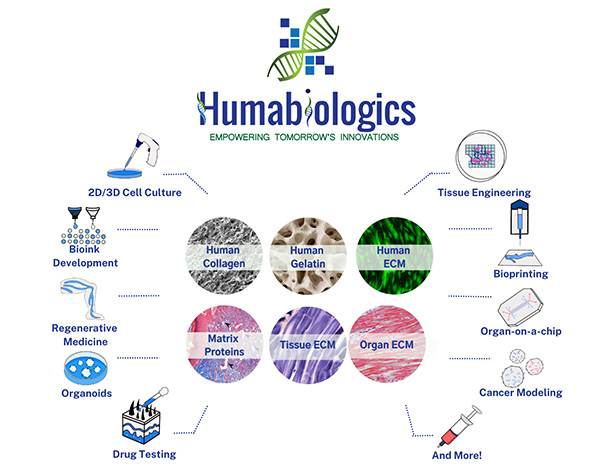
Humabiologics is a Phoenix-based regenerative medicine company making human biomaterials more accessible to scientists, clinicians and product developers in regenerative medicine, tissue engineering, bioprinting, organoids, disease modeling and drug discovery. Our mission is to give researchers more human-relevant building blocks to develop better therapies and more predictive models of human biology. Many platforms still rely on animal materials and animal testing, even when the goal is to treat human patients. Humabiologics helps close that gap by producing native human collagen, gelatin, extracellular matrix products, bioinks and related biomaterials.
Since our founding, we have grown from an early-stage Phoenix startup into a revenue-generating company serving academic, biotech, pharmaceutical and medical device customers worldwide. Our products are used by more than 150 labs and companies in approximately 25 countries, and our portfolio has expanded to roughly 70 human-derived biomaterial products. We have also built quality and manufacturing capabilities that support research and translational development.
A meaningful sign of our impact is that our materials now support clinical-stage regenerative medicine programs, including advanced ophthalmology work where 3D-bioprinted corneal tissue is being implanted in patients with serious vision loss.
Translating Innovation into Impact for Ultra-Rare (and Commercially Underserved) Diseases
by Kiran Avancha, Co-Founder & CEO, PriZm Therapeutics
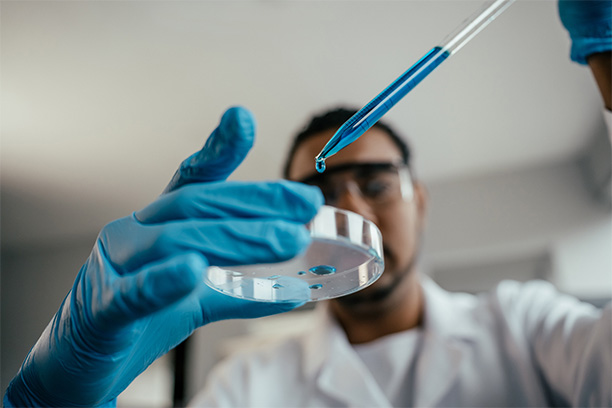
PriZm is a late-stage clinical biotechnology company focused on developing therapies for ultra-rare pediatric diseases, beginning with Allan-Herndon-Dudley Syndrome (AHDS), also known as MCT8 deficiency. Affecting fewer than 500 patients in the United States, the disease has historically received little commercial attention despite its profound impact on children and their families.
I saw an opportunity to prove that patient need, not market size, should determine where innovation happens, and to help move promising science from the laboratory to the families who need it most.
To launch PriZm, I took an unpaid sabbatical from HonorHealth, invested my own resources and assembled a multidisciplinary team of clinicians, scientists and drug development leaders to advance a therapy many others had overlooked. In an industry where most drug development programs fail, we adopted a disciplined, capital-efficient approach focused on translating promising science into meaningful patient outcomes.
Our mission is simple: to ensure families facing the rarest diseases aren’t left behind simply because the patient population is small.
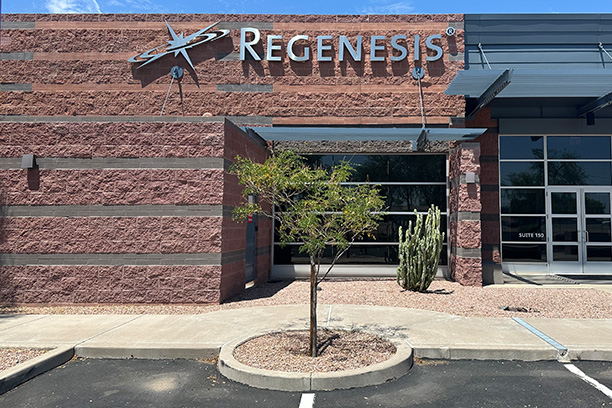
Advancing Non-Invasive Pain Management against One of Healthcare’s Most Persistent Challenges
by Tom Eisiminger Jr., President & CEO, Regenesis Medical
Regenesis was founded with a simple but meaningful mission: to improve quality of life by developing innovative medical technologies that help relieve pain. Today, we continue that mission by researching, designing, manufacturing and supporting energy-based medical devices that expand access to safe, non-invasive, drug-free pain management solutions for patients and providers.
Reprieve by Regenesis® is FDA-cleared to generate deep heating within body tissues for the treatment of conditions such as relief of pain and muscle spasms, including chronic pain associated with diabetic peripheral neuropathy, osteoarthritis, plantar fasciitis/fasciosis, lumbar pain and musculoskeletal conditions. Designed for at-home use as part of a provider-directed pain management plan, Reprieve provides clinicians with an additional non-invasive treatment option that fits within established clinical workflows.
Chronic pain affects millions of people and represents one of healthcare’s most persistent challenges. Providers are looking for therapies that can be incorporated into comprehensive treatment plans while supporting individualized patient care. Research within the Veterans Health Administration has demonstrated a strong association between chronic pain and suicide risk among military veterans, reinforcing the critical need to identify and treat pain early as part of a comprehensive, whole-person approach to care.