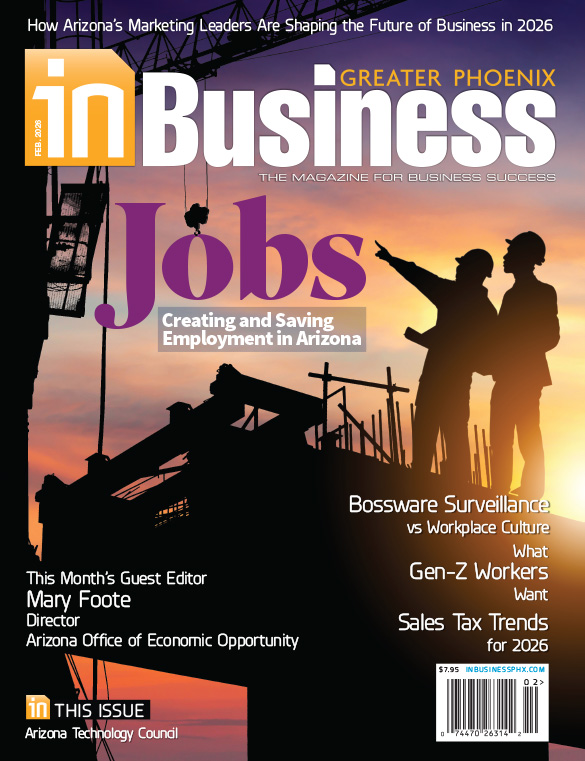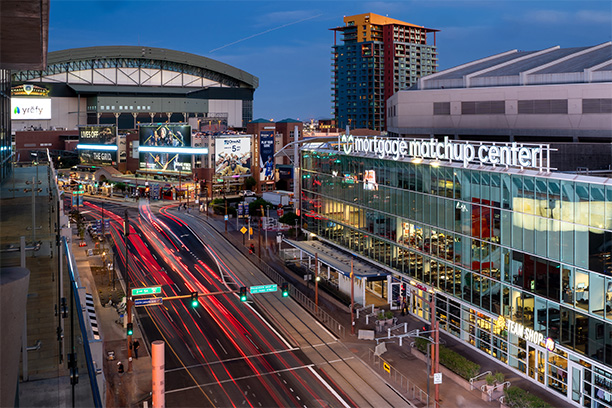
DTPHX Skyline 2026; photo courtesy of Downtown Phoenix Inc.
“On the consumer side, people are gravitating toward places that feel authentic, welcoming, walkable, safe and community oriented. Downtown Phoenix delivers on all of that,” says Devney Majerle, president and CEO of Downtown Phoenix Inc. (DTPHX), speaking of the interest behind the growth of downtown Phoenix. “The level of creativity in the environment is increasing every single day, attracting residents, visitors, and talent who want to be part of our dynamic live, work, play, learn, and create neighborhood.” And on the business side, she says, “Downtown has a diversified employment base and has become a magnet for technology and innovation, biosciences, arts and culture, and culinary experiences. It’s a true melting pot, and businesses recognize that being here means being part of a thriving, creative and interconnected ecosystem rather than operating in isolation.”






Majerle credits downtown Phoenix’s rapid and sustainable growth to a strong vision and strategic planning, amounting to more than $8.7 billion in public and private investment since 2005. “Our sports and entertainment venues have long been our anchor tenants, and the investments in light rail, expansion of the Phoenix Convention Center, development of CityScape, the addition of 15,000 students on ASU’s Downtown Phoenix Campus, and large corporations like Western Alliance Bank and APS continuing to employ their people in downtown Phoenix contribute to the ongoing mixed-use and multifamily high-rise development.” She notes downtown Phoenix is now home to 25,000 residents and welcomes 7 million visitors each year to events of all sizes, including the fan activities for seven mega events since 2015.
She points to the built environment as a major draw in itself. “And at the sidewalk level, Downtown Phoenix Inc. plays a direct role in creating the conditions for businesses and people to thrive.”
Ryan Touhill, MPA, director of Community & Economic Development at the City of Phoenix, observing that there has been a broader national shift toward walkable, experience-driven urban environments, says Phoenix is seeing that trend play out in a unique way. “People increasingly want shorter commutes; more access to dining, entertainment and culture; flexible lifestyles; and mixed-use neighborhoods where they can work remotely, socialize and live without relying entirely on a car. At the same time, employers and developers recognize that talent attraction has changed. Companies are competing for workers who value quality of life and vibrant urban experiences. Downtown environments help support that.”
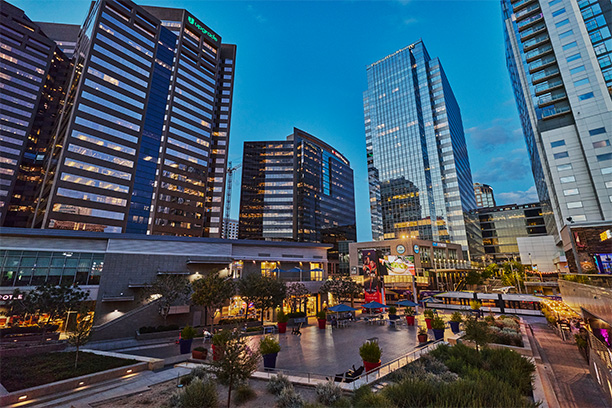
CityScape; photo courtesy of RED Development
Phoenix also benefits, he notes, from being one of the fastest-growing major cities in the country, and the population growth, job creation and continued business attraction are creating demand for urban housing, office space, hospitality and entertainment options.
Additionally, Touhill says, “Phoenix has become an experience-driven urban market with many major events driving interest from visitors. The recent 2024 Men’s Final Four, Red Bull Showrun, and 2026 Women’s Final Four events showcased downtown Phoenix to many visitors as a destination where unique experiences and everyday life can coexist.”
Sharing, “Phoenix is positioning itself as a modern, globally connected and innovative city while still embracing its local culture and identity,” Touhill cites several examples of the city’s intentional efforts to build a reputation in varied realms:
- A center for innovation and bioscience: The Phoenix Bioscience Core
- A destination for entrepreneurs and startups: Venture Café inside the 850 PBC building
- A culturally vibrant urban environment: Roosevelt Row
- A major sports and entertainment city: Diamondbacks and Suns/Mercury
- A global business hub connected to international markets and emerging industries: Since 2005, the total has grown to more than $8.7 billion in public and private investment. Downtown Phoenix now generates approximately $21.2 billion in annual economic activity and supports more than 140,000 jobs.
“At the same time,” Touhill adds, “there is a strong emphasis on authenticity and local identity. Downtown Phoenix has leaned heavily into supporting local restaurants, artists, makers and small businesses rather than trying to replicate other cities. The arts and culture community plays a major role in that image. Murals, public art, music venues, cultural festivals and adaptive reuse projects all contribute to a downtown experience that feels distinctly Phoenix.”
Emphasizing that the goal is not simply growth for growth’s sake, Touhill says, “The focus is on creating a downtown that is economically resilient, culturally active and welcoming to residents, workers, visitors and entrepreneurs alike.”
Businesses Making It Work
RED Development was one of the first investors in the resurgence of downtown Phoenix, with the addition of CityScape in 2010. Says Mike Ebert, managing partner of RED Development, “CityScape was a deliberate bet on the urban core at a time when that conviction wasn’t widely shared.” Its opening in 2010 “was really the starting point for what downtown Phoenix could become as a neighborhood with the amenities, energy and infrastructure to support a growing urban population,” he says, noting CityScape Residences atop Hotel Palomar Phoenix became downtown’s first successful high-rise residential project, serving as proof of concept for the residential development that followed.
“We’ve stayed committed because we believe mixed-use development done well creates compounding value, not just for the property but for the surrounding community, and that belief in long-term partnerships with both public and private stakeholders continues to drive how we approach every project,” Ebert says.
Significant firsts that RED has brought to downtown Phoenix are the neighborhood’s first grocery store with Fry’s at Block 23, first drug store with CVS at CityScape, and first boutique hotel with Hotel Palomar Phoenix and first large-volume restaurants.
Says Ebert, “By concentrating workers, residents and visitors in one place, we helped shift downtown from somewhere people passed through or only spent weekday work hours to a destination where they live, work and spend meaningful time.”
Kell Duncan had been a resident in the area for about five years when she opened her small business and event venue The Churchill in 2018. “I fell in love with downtown Phoenix and the Roosevelt Row Arts District. I think there are a few factors, but the main one was the arts and culture that were present here. There are small music venues, art galleries and many other events and activation,” she shares. “I think that Phoenix is still an incredibly young city that has a ton of room to grow. I don’t think we even know what this is going to look or feel like in the next 5,10, 20 years, and I would personally love to be a part of that.”
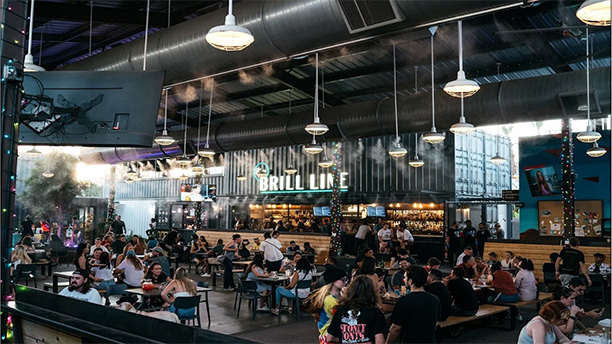
The Churchill; photo courtesy of DTPHX
“Our hotel has been part of this location since 1975, when the current property opened as part of downtown Phoenix’s evolution into a modern urban center,” says Kari Archer, general manager at Renaissance Phoenix Downtown Hotel. Now, she says, “Downtown Phoenix has evolved from a primarily office-driven event hub into one of the most sought-after residential destinations in the Valley, and our business has evolved alongside it.”

Façade of Renaissance Phoenix Downtown Hotel; photo courtesy of DTPHX
The hotel’s origins go back more than a century. Relates Archer, “At the heart of our story is the vision of J.C. Adams, who recognized Phoenix’s potential in the late 1800s when it was still a young and growing city. He built the first luxury hotel here to help elevate the destination and attract visitors, business, and investment. That same belief continues to guide us today. While Phoenix has grown significantly, downtown remains the center of energy and opportunity in the state. Our location sits in a truly walkable urban core, with access to art and theater institutions, major sports and music venues, museums, world-class restaurants, and a strong presence of university education, research, and convention business. It is that combination of culture, commerce, and connectivity that makes this location so powerful. We are not just in downtown Phoenix; we are in the middle of everything that defines the city, and that is why we continue to invest here.”
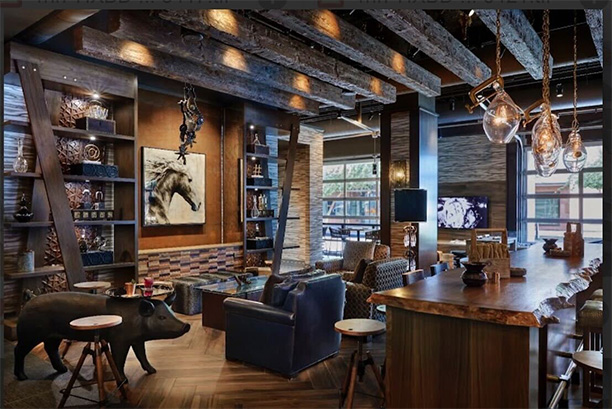
Renaissance Phoenix Downtown Hotel; photo courtesy of DTPHX
Steven Cohn, owner of the hotel and president and managing member of PHXhotel, LLC, sees Phoenix being currently in a very strong position, with continued growth in tourism, business travel and major events. “The city welcomed more than 20 million visitors recently, generating billions in visitor spending and reinforcing its position as a leading destination,” he says, noting downtown Phoenix has also emerged as a major economic engine, generating more than $21 billion in activity while continuing to attract new development across residential, retail, and hospitality sectors. “As a hotel, we’ve been proud to play a role in that growth. We continue to see strong performance across both group and leisure segments, and we’ve built lasting relationships with meeting planners, corporate partners, and returning guests who choose our hotel as their home base when they visit downtown Phoenix. That consistent demand reflects both the strength of the market and the experience our team delivers every day.”
That momentum has garnered continued investment. Says Cohn, “We have committed $18 million dollars for a significant enhancement, with more to be announced around this project in the coming months. This major investment builds on an additional $11 million in capital improvements made over the past year, focused on modernizing infrastructure, enhancing building systems, and elevating the overall guest and operational experience. This level of reinvestment is grounded in our strong confidence in the continued growth of the Phoenix market, the strength and positioning of the Renaissance brand, and, most importantly, the exceptional hotel team whose performance and commitment give us every reason to invest further in this asset.” Significantly, he adds, “This investment is about more than just our hotel. It is about contributing to the continued evolution of downtown Phoenix as a destination. By elevating the guest experience and strengthening our connection to the community, we are helping ensure that downtown remains vibrant, competitive and positioned for long-term success.”
“Downtown Phoenix will keep evolving, and we expect to grow alongside it, supporting that progress through capital, expertise and long-term partnership, while continuing to invest in the community,” says Tim Boothe, chief administration officer at Western Alliance Bank, which has been headquartered in downtown Phoenix since 2010.
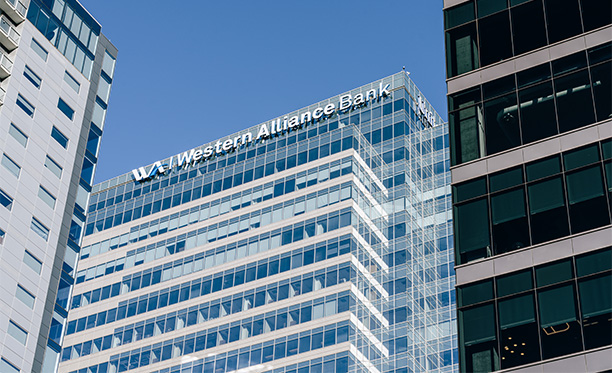
Western Alliance Bank headquarters; photo courtesy of Western Alliance Bank
Describing Phoenix as offering a unique combination of entrepreneurial energy, business diversity and long-term growth potential, Boothe says, “Being downtown places us at the center of that activity, close to our clients, partners and the companies that are building and investing in the region.” He notes Western Alliance has both benefited from Phoenix’s growth and helped support it. “Western Alliance has grown into the largest commercial bank headquartered in Phoenix while continuing to operate from a strong local base. That growth comes from staying focused on our clients and supporting their success over the long term,” he says.
Boothe sees Phoenix’s economic vibrancy as due to steady investment and more people choosing to live and work downtown. “You see it in the mix of new businesses, housing, universities and cultural spaces. That combination is bringing more activity, more talent and more long-term momentum to the area.” And Western Alliance, as Arizona’s largest local bank, works with businesses at every stage, from early growth to large, complex operations, which helps drive expansion, job creation and investment across the region, Boothe relates. “We also invest in the long-term strength of the community, including supporting financial literacy and workforce readiness through programs like Junior Achievement and other local initiatives that strengthen the broader economy,” he adds.
Helping drive the expansion of the 30-acre Phoenix Bioscience Core is Wexford Science & Technology. “I’ve been working in downtown Phoenix for 7 years and have loved it. I was Wexford’s first hire in the Western United States and we have grown the team here since then,” says Kyle Jardine, vice president and market executive. He describes downtown Phoenix as having a unique combination of momentum, authenticity and long-term vision, and says, “The Phoenix Bioscience Core is why Wexford is here. Being able to collaborate with all three state Universities (ASU, U of A and NAU) and TGen in a walkable, growing vibrant city was and is very attractive for investment. The growing resident population, dynamic food scene and the collaborative energy among business owners has only made it better.”
Jardine credits downtown Phoenix’s economic vibrancy to a mix of public and private investment with a long term committed and united vision of public and private leaders executing together, and he notes that, now with two medical schools and dozens of other colleges, there is a density of research from nonprofit organizations, universities, NIH, VA and multiple healthcare systems. “Downtown has a strong growth of students, professionals and retirees all in one place. Investment in sports and entertainment is big. Thoughtful urban planning with a shift toward increased density and mixed-use development is also increasing investment.
“Wexford Science + Technology both benefits from and contributes to this momentum,” Jardine continues. “Having developed 850 PBC and having our west region office here downtown on the PBC allows us to attract talent, engage with and build community, and support other local businesses. Our investments and the vibrant community help attract new companies to lease from us and retaining the ones that are growing with us already.”
In fact, he believes 850 PBC, which opened during COVID, would likely have failed in many other cities, “but Phoenix’s momentum and pro-business environment has led to strong leasing, our additional investment in Connect Labs by Wexford and leasing the entire 7th floor to NIH. We are committed to investing in Phoenix and are in the process of designing and pre-leasing our next phases because the city continues to demonstrate a clear vision for its downtown and the Phoenix Bioscience Core with a willingness to partner with the private sector. Our focus is on sustainable long-term growth and helping create an environment where businesses and residents can thrive for decades to come.”
Observing, “Investments in higher education and research (particularly health and bioscience), Light Rail, and the Convention, Sports and Entertainment sector have all helped to contribute to a downtown that people want to visit, work and live in,” Rick Naimark, associate vice president at Arizona State University, says, “ASU has been a partner in transforming downtown. At the same time, as downtown succeeds, more students, faculty and researchers want to be here, which means we will continue to be able to grow our presence.”
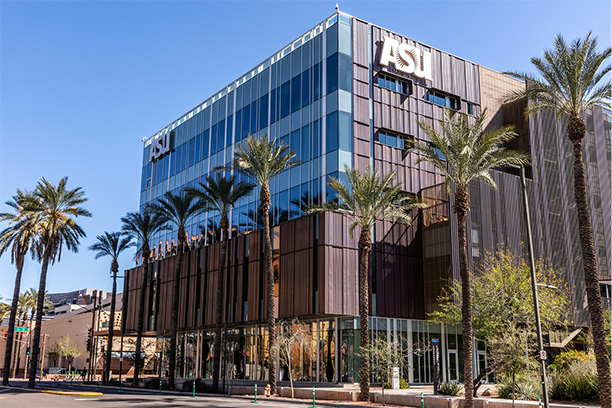
ASU Health building, part of the Phoenix Bioscience Core; photo courtesy of DTPHX
He notes that while ASU has been in downtown Phoenix with some limited extended education programming going back to 1986, the real growth of ASU in Downtown came with the voter-approved City Bond Program in 2006, which enabled ASU to establish a full-scale residential campus in Downtown. “Today,” Naimark says, “ASU is doubling down on its commitment by building the ASU Health building downtown as part of the Phoenix Bioscience Core.” He reports the ASU Enterprise has attracted more than 200,000 degree-seeking students and served millions others who are enhancing their learning. ASU is advancing research and discovery of public value with research funding more than $1 billion. “We are transforming the economic, social, cultural and overall health of the community through our investment in Phoenix and we want to continue to make downtown Phoenix the best downtown it can be by transforming the built environment, boosting the economy, and advancing solutions to the community’s challenges.”
Significant Trends and Strategies
Touhill reports several trends shaping downtown growth. On the consumer and residential front, young professionals and students are increasingly seeking urban lifestyles with access to nightlife, events and transit, while empty nesters are downsizing and looking for walkable environments with cultural amenities. And residents are prioritizing experiences over traditional retail.
There is also growing interest in local businesses, independent restaurants and community-driven events. He expects to see more experiential restaurants and bar concepts locating to Downtown to cater to the young professional and student market.
And hybrid work has changed how people use downtowns. “Rather than relying solely on office workers from 8 a.m. to 5 p.m., successful downtowns now focus on creating activity throughout the entire day and week,” Touhill says. “Downtown Phoenix has adapted by building a more diversified environment that includes housing, higher education, sports, healthcare, hospitality and entertainment all within close proximity.”
For their part, businesses are increasingly looking for locations that offer access to talent, transit connectivity, proximity to universities and innovation centers, strong lifestyle amenities for employees and collaboration opportunities with startups and research institutions. Speaking to that last point, Touhill notes the Phoenix Bioscience Core offers a multitude of opportunities for entrepreneurs and startups to collaborate. One of these is Venture Café Phoenix, which hosts free, weekly Thursday Gatherings aimed at connecting creators, entrepreneurs, investors, students and visionaries to spark collaboration and accelerate innovation across all industries.
“Phoenix has seen significant growth in sectors like bioscience, advanced manufacturing, technology and healthcare. Many of those industries are drawn to downtown because of the concentration of educational institutions, research facilities and public investment,” says Touhill.
“There is also strong momentum among hospitality, food and beverage and experiential retail businesses that benefit from growing foot traffic and major event activity.”
DTPHX contributes to this momentum. Explains Majerle, “Our Downtown Phoenix Ambassadors are on duty 365 days a year, seven days a week — assisting with directions, walking escorts, and entertainment info while serving as the eyes and ears of Downtown. Our Clean + Green team works daily to enhance the outdoor experience through landscaping, trash pickup and graffiti abatement. Our community engagement and events team identifies placemaking opportunities that foster a sense of connection to the neighborhood, while also producing free, inclusive events that bring the community together and give downtown businesses a chance to shine. Businesses also receive hands-on technical support through marketing assistance, economic development insights and connections to resources that help operations run more smoothly. And our DTPHX Outreach Navigators work to connect individuals experiencing homelessness to city services and resources, helping maintain a welcoming environment for everyone.
“Together, these efforts mean that businesses of all sizes that choose to operate in downtown Phoenix are immediately plugged into a support ecosystem that sets them up for success. That connectivity happens from day one.”
Touhill cites key strategies the City of Phoenix is taking as part of its long-term approach to Downtown investment and economic development:
- Continued investment in Valley Metro Light Rail and transportation infrastructure.
- Support for mixed use and adaptive reuse development projects.
- Partnerships with universities and healthcare institutions.
- Investments in streetscapes, public spaces and walkability improvements.
- Economic development programs focused on attracting high wage industries and employers.
- Support for entrepreneurship and small business development.
- Strategic redevelopment of underutilized properties and corridors.
- Major investments in the Phoenix Convention Center and the surrounding area.
“The City also works closely with regional and community partners, including Downtown Phoenix Inc., Greater Phoenix Economic Council, Arizona Commerce Authority and local business organizations, to market downtown Phoenix nationally and internationally,” Touhill says.
Addressing the efficacy of the efforts, Archer relates, “What we are seeing in downtown Phoenix is the result of long-term investment and a very intentional evolution into a true urban destination. Over the past two decades, billions of dollars in public and private investment have helped transform downtown into a place where people live, work and visit around the clock.” She believes a big part of that vibrancy comes from the arts and culture scene, along with a strong mix of entertainment and sports. “Major venues, large-scale events, and a growing calendar of national and international programming continue to draw visitors into the city. At the same time, the restaurant scene has expanded significantly, with more than 250 restaurants and bars, many of them locally owned, creating a dynamic and authentic culinary experience. When you combine all of that, along with residential growth and a strong employment base, you end up with a downtown that has real energy and momentum. It is a place people want to be, and that is what drives sustained economic growth.”
Read all the downtowns’ stories.