Every Arizona business operates within decisions made at city hall, the state Capitol and regulatory agencies. Voters make consequential decisions at the ballot box, too. These choices shape utility costs and permits, tax policy reaches balance sheets, and access to skilled workers affects day-to-day operations. So does the strength of the communities where employees and customers live.





For businesses, advocacy can be as practical as sharing firsthand knowledge with public officials or helping employees understand an issue. A company might explain how a proposed regulation would affect hiring, describe a workforce shortage to a legislator, or direct employees to reliable election information. Done thoughtfully, advocacy gives public officials the operational knowledge they need while protecting the trust a company has built with its customers and workforce.
The Ballot and the Balance Sheet
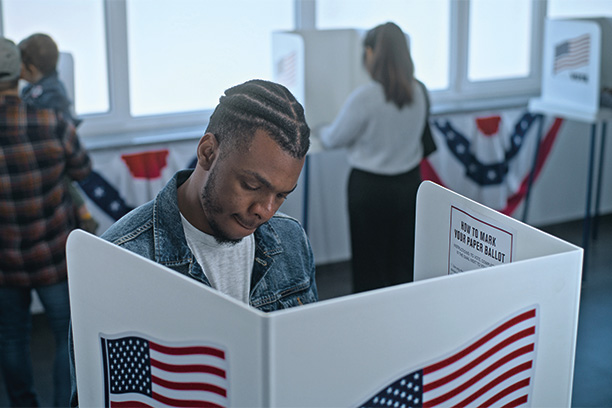
Arizona’s November 3 general election will decide the governor, secretary of state, attorney general, multiple ballot propositions and other positions across the state. These offices carry direct business consequences. The governor and legislature shape taxes, regulation and state spending. The Corporation Commission regulates public utilities. Education policy affects the talent pipeline. Cities and counties guide local growth through zoning and infrastructure. Their choices also affect housing, public safety and services.
Arizona voters will also decide almost a dozen ballot measures. The proposals address issues that could affect businesses and communities, including municipal taxes on food, election rules and K-12 education funding. Before ballots were finalized, several proposals moved through court challenges involving petition signatures, ballot wording and the state Constitution’s rules for presenting amendments. Some were removed, while descriptions of others faced judicial review.
Know the Legal Lines
Advocacy, lobbying and campaign activity carry different legal meanings. Advocacy covers communication about a public issue. Lobbying generally means trying to influence legislation. Under federal tax rules, supporting or opposing a ballot measure also counts as lobbying because voters are acting as lawmakers.
A charitable organization recognized under section 501(c)(3) of the federal tax code may lobby within federal limits and may conduct unbiased voter education, registration and get-out-the-vote activities. It cannot endorse, oppose or contribute to candidates for public office.
Businesses have greater freedom to participate in candidate and ballot campaigns, but Arizona campaign-finance, disclosure and employment laws may apply. Any organization planning campaign spending or extensive lobbying should seek guidance from qualified legal or tax counsel. As a business, you can use this flexibility to your advantage and leverage your advocacy actions to build stronger connections with your customers or clients.
Choose a Credible Issue
A public position is easier to explain when it grows from the company’s work. A manufacturer may speak about energy or water. A healthcare employer may focus on licensing and staffing, while Medicaid funding affects the entire field. A builder may address housing supply, zoning or infrastructure issues.
Before speaking, leaders should identify how an issue affects the company. Does it change expenses or revenue? Will employees or customers feel the result? Leaders should also decide who may speak for the company and how positions are approved. Personal political views should remain separate from company communications.
Nonprofits as Business Partners
Nonprofits can help businesses understand how a policy will operate beyond a fiscal estimate or bill summary. Housing and health organizations see what public decisions do to families and neighborhoods on a daily basis. Education and human service organizations see how those choices affect workers and household spending. Businesses bring employment figures and market experience. Together, the two sectors can give policymakers a fuller picture of a proposal’s likely effects.
Arizona has a history of this kind of cooperation. In 2022, Arizona businesses worked with education and community nonprofits to support in-state tuition for qualifying students who graduated in the state, regardless of immigration status. The Greater Phoenix Chamber and Local First Arizona made the workforce case, while the Arizona Community Foundation and Education Forward Arizona brought perspectives from philanthropy and education. Voters approved the measure, expanding access to in-state tuition and state financial aid while helping Arizona retain more of the students it had already educated.
AZ Impact for Good offers another place for businesses, nonprofits and grantmakers to learn together. Advocacy and public policy are a main pillar of the organization. Its monthly Policy Council meetings cover federal and state developments, while policy emails explain pressing concerns and calls to action. Its annual Day at the Capitol gives members a chance to learn about current legislation and speak directly with policymakers.
Protect Trust in the Message
Customers and employees do not expect every organization to remain silent. They do expect honesty and respect. A company should explain the business connection, cite credible information and describe the action it supports. Employees should have room to disagree, and civic participation should remain voluntary.
Responsible advocacy follows the discipline behind other sound business decisions. Understand the issue. Study its operational effect. Consult people who know the subject and follow the applicable rules. Then communicate with respect. That approach helps Arizona businesses participate in decisions that will shape their workforce, markets and communities long after election day.