While the COVID-19 pandemic may be in the not-so-distant past, investigations into lenders and borrowers who took out loans pursuant to relief programs persist.







With ongoing scrutiny from the Small Business Administration, U.S. Department of Justice and the SBA Office of the Inspector General, staying informed is critical. Both borrowers and lenders should ensure ongoing compliance and be prepared to handle government investigative requests.
Most remember the confusion and uncertainty during the pandemic that required new legislation to be implemented immediately, and companies acted fast. While guidance at the time was confusing, because of $200 billion identified in potentially fraudulent loans disbursed through SBA relief programs, investigators are now taking their time in retroactively reviewing eligibility and ensuring full compliance moving forward.
National DOJ components, 93 U.S. Attorneys nationwide and internal SBA auditors are looking deeper into borrowers’ eligibility, as well as lenders’ due diligence in issuing and monitoring PPP loans. And these requests are not limited to borrowers and lenders — even third parties have received letters requesting information, such as associations that provided PPP insight to their members when applying for funds.
Investigations into borrower eligibility may inquire:
- Was the business eligible?
- Did the business meet the definition of “small”?
- Did the business submit required information?
- Did the business abide by SBA’s affiliation rules?
- Were PPP funds used properly?
- Did the applicant submit accurate information?
- Did the applicant still qualify at the time of forgiveness application?
- Was the amount of the PPP loan provided substantiated by truthful information?
The SBA appears to be continually auditing PPP borrowers and requesting retroactive confirmation information, not only ensuring businesses were eligible for relief when applying but also whether they qualified for the loan amount issued and subsequently forgiven.
While investigative agencies have examined potential PPP borrower fraud since the inception of the program, the DOJ also recently began investigating whether financial institutions that operated as PPP lenders also abided by applicable laws. PPP loan issuers were required to comply with certain obligations at the time of application and must continue to do so throughout the life of the loan.
Further complicating issues are the differing standards for first- and second-draw PPP loans. The guidance for first-draw loans was that lenders were “held harmless” as long as they acted in good faith. For second-draw loans, the guidance was lenders were to perform a “good faith review” of the borrower’s calculations and supporting documents.
In addition to federal prosecutor and regulator scrutiny, PPP recipients also could be the subject of litigation without even knowing it. There have been a number of Qui Tam actions filed by private citizens who have taken it upon themselves to investigate potential PPP fraud in hopes of receiving a “finder’s fee” payout.
Qui Tam actions are vehicles for private persons to bring claims under the False Claims Act on behalf of the government, asserting that third parties committed fraud. These have been a primary driver of Civil Investigative Demand letters and requests for voluntary production issued by the government to PPP loan recipients.
Most Qui Tam actions are brought pursuant to the FCA, which subjects to liability any person who knowingly presents a false or fraudulent claim for payment or otherwise knowingly submits a false record to a false claim. As related to PPP or other government-issued COVID relief funds, this means that FCA investigations generally focus on whether a business requested a PPP loan knowing it was not eligible or provided falsified documents to make it appear eligible, get a higher loan amount or otherwise abuse the program.
While most investigations are commenced to determine FCA liability, even a lender or borrower who is cleared of a potential FCA charge (after the government investigates and determines they applied in good faith) may not be out of the woods. There is still a question of eligibility; even if a borrower honestly believed they qualified for COVID relief, small oversights at the time of application could show otherwise.
If follow-up investigations determine funds were given to an ineligible borrower, that business could still face a multitude of consequences, including the need for a borrower to pay the entire loan back, pay back amounts forgiven above the borrower’s eligibility threshold or discuss entering a settlement to resolve the matter.
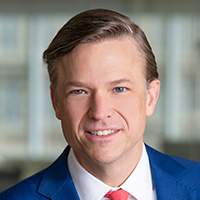 A partner at Spencer Fane LLP and former federal prosecutor, Daniel Nelson leans on his vast experience in business law, prosecution, and case management to provide clients with counsel focused on complex, high-stakes litigation matters.
 Amy Lewandowski, a former SBA attorney, is an attorney and associate at Spencer Fane LLP who helps individuals and businesses navigate litigation and explore dispute resolution tactics to keep clients focused on business needs.
Handling Inquiries
Receipt of an investigative request alone does not mean that a Qui Tam action has been filed or that a loan repayment demand is imminent.
Spencer Fane has worked with numerous government entities to identify the scope of inquiry and discuss limiting the amount of information and documents required to be produced, and advocates for clients who were simply trying to stay afloat during unprecedented times. The firm also works with borrowers about eligibility concerns or lenders with ongoing compliance and can assist in negotiations with the SBA.