Leading a company means being pulled in a million different directions — often at the same time. There is never a shortage of urgent, high-priority projects coming across C-suite desks.







So how do corporate leaders find time for community service? And how do they make a lasting, impactful commitment to their communities, giving all the competing priorities?
Those are difficult questions — but it can be done. More importantly, business leaders need to make the effort. We all benefit when the place where we live and work is thriving.
Removing Barriers to Leadership
Good intentions are the easiest part of promoting civic leadership. Most corporate leaders understand they are in a unique position to better their communities, and they want to help. The problem? Making it happen in a demanding profession.
Authenticity matters. At the end of the day, leaders must believe in what they are doing and what they are asking others to do. People will see through it if you don’t.
I always urge leaders to identify their passions and pursue them in leadership roles. If you get involved in organizations that mirror your interests, you will find the time and the energy to engage in it. If you are passionate about the symphony, get involved in the symphony. But if you don’t really care about the symphony and are just getting involved to pad your resume, people around you will notice.
Family considerations understandably can be a barrier to civic leadership. It’s hard to sit through another board meeting if your family is waiting for you at home.
So, I encourage community leaders to combine their family life with civic service. I became involved with Ballet Arizona because my daughter was a ballet dancer and I wanted to connect with her in a deeper way. I became chair of Ballet Arizona for three years while she danced in the ballet.
Getting team members within a volunteer organization together on the same page isn’t always easy. At Greater Phoenix Leadership, for example, everyone involved is a CEO, so they are used to making decisions.
I saw my role as like that of Senate President — you’re one among equals, so you lead by influence, knowledge and advice.
That means creating different pathways for team members that match their passions and interests. In the context of Greater Phoenix Leadership, that meant creating task forces for transportation, water, arts and culture, and education. Everybody has an opportunity to choose the lane in which they are passionate about and interested in. Each one of those lanes and goals works towards the common goal of making the Phoenix region better.
Focus on the Misson, Not the Finish Line
Beyond getting team members on the same page, community leaders also must manage expectations. Many of the most important issues our region faces—transportation, water, education, arts/culture, economic development, etc.—also are long-term projects, not easy fixes.
That’s why I believe it’s so important to always have a vision, a strategy and a direction, rather than simply focusing on the result.
Rio Reimagined is an example of long-term leadership in action. This project will transform a 40-mile stretch of the Rio Salado riverbed into a sustainable, healthy river habitat as well as a usable pathway for recreation and commercial purposes.
This project may not come to fruition in some people’s lifetimes, including mine. But we are kicking it off. It’s a vision that will turn into a great asset for our community in the future. It’s one of the most important projects I worked on at Greater Phoenix Leadership, and one of the things I’m most proud of in my career.
In leadership, you can be at the start, in the middle, or at the conclusion of a project, but all the steps matter.
Time for a New Generation
When I look around meetings, I see a lot of gray hair — my own included. There are lots of people in those boardrooms whom I’ve known for a long time.
It’s our time to say to the next generations, “You’ve got next.” We need to support leaders in their thirties and forties in getting involved in key roles in civic leadership. We need to support them with our time, our funds, our money, and we need to teach and develop them to be the next community leaders.
I think that’s an imperative for those of us who are active in community leadership. We’ve got to engage a new, younger group of leaders to carry the ball forward.
The Benefits of Civic Service
Once the barriers to community service are removed, the benefits become apparent — and they are abundant.
Obviously, civic service benefits a leader’s personal reputation and that of their company. Volunteer leaders in community organizations are seen as being caring, knowledgeable, and committed to what they do.
That carries over to the leader’s business. People say, “Jane Doe at Womble Bond Dickinson does a great job at this volunteer position. She’s committed, she’s hard-charging, and I bet those traits carry over to her legal practice. Maybe we’ll call them and use them.”
Community service also gives volunteers the chance to interact with leaders from a wide range of sectors and backgrounds. Such networks can be invaluable professional resources and lead to business opportunities down the road.
However, the real benefit of service comes in making the Phoenix region a better place for all of us.
High-quality education gives everybody in the community an opportunity to excel and potentially have what they call the “American Dream.” Improved transportation means you get home sooner and spend more time with your family. Arts and culture create place and a sense of being. And water is essential when you live in the desert.
Addressing these and other key challenges isn’t always easy, and they can’t be solved overnight. But the rewards for stepping up and helping go far beyond a quarterly balance sheet. These efforts directly benefit our quality of life in the Phoenix area and are well worth the time they take to pursue.
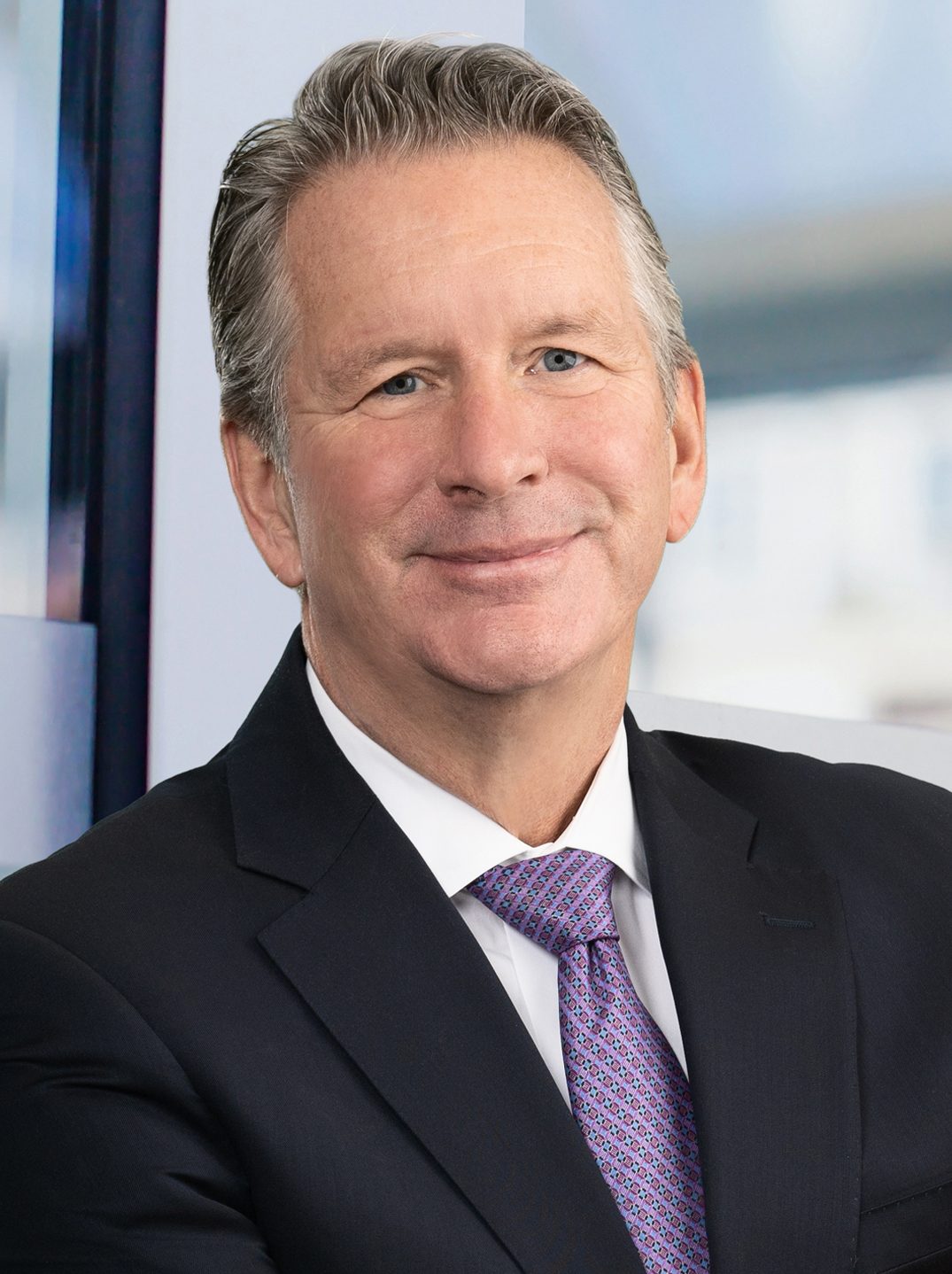 Kenneth Van Winkle Jr. is Vice Chair of law firm Womble Bond Dickinson. He is the past Chairman of Greater Phoenix Leadership and has a long track record of community service in Phoenix, including serving on the boards of Downtown Phoenix Inc., the Banner Health Foundation, and the Arizona Super Bowl Host Committee. Currently, he serves on the Board of Directors of the Phoenix Convention and Visitors Bureau.