As knowledge and awareness of neurodivergence improves, professional spaces begin to develop strategies to accommodate those whose brains work at a different wavelength. This was the birth of managerial ADHD training programs, more flexible scheduling policies and celebratory lines in companies’ value decks about welcoming different kinds of thinkers. And yet, even now, neurodivergent employees still burn out and leave, often without ever telling their employer why. One large benefit study found that 70% of neurodivergent workers report intense burnout, compared with 30% of their neurotypical colleagues.





The issue usually isn’t the policy but rather a critical flaw stemming from a misunderstanding of the neurodivergent experience. Almost every support program a company builds asks one thing of the employee before anything else. They have to identify themselves as neurodivergent and request help, when that is the one thing many neurodivergent adults have spent their whole lives learning to never do.
Why Your Best Support Goes Unused
Around 76% of neurodivergent workers have never disclosed their neurodivergence to an employer, and close to half say they would not feel comfortable asking for adjustments at work. Roughly 8 in 10 mask, which means they spend the workday suppressing how they naturally think, focus and move so they can look like everyone else.
I work with neurodivergent kids at the middle school stage, which is where that instinct gets wired in. A child who is told to “just focus” or is corrected every time they fidget learns early that the safe move is to hide. By the time that child is grown and on a company’s payroll, the masking is automatic. So, a program that runs on “raise your hand and we’ll accommodate you” quietly selects for the few people least likely to ever raise it. Employers may have built the door, but the people who need it most will not knock.
Build Support That Needs No Confession
So, what can an employer do? The first thing is to stop making help conditional on disclosure. Make the useful thing the default, available to anyone, no diagnosis required.
Let people choose a quieter desk or wear noise-canceling headphones without a note from HR. Send agendas before meetings so processing time isn’t a penalty. Make cameras optional. Offer written and asynchronous ways to contribute, not only live discussion where the fastest talker wins. None of this singles anyone out, and all of it lets a struggling employee use what helps them without having to out themselves to get it. Universal flexibility costs an employer very little and reaches the people a formal accommodations process never will.
Be Explicit, Because They Won’t Ask You to Be
A masking employee will not ask to clarify a vague assignment; they’ll guess, overwork and hope they read the assignment correctly.
Managers can take the guesswork off their plate by putting expectations in writing. Say plainly what the priority is and what good work looks like on this task. Give specific feedback instead of leaving people to infer where they stand. Clear direction helps everyone on the team and quietly removes the ambiguity that drains employees who would never tell anyone it was a problem in the first place.
Watch the Workload, Not for a Raised Hand
Because neurodivergent employees tend to hide strain until they break, the warning signs reach their supervisors late, if they reach them at all. So, employers should not wait for someone to announce they are drowning.
Better to track the workload. Make “What’s feeling like too much right now?” a normal question asked of everyone in a one-on-one, not an exception raised as a situation seems to require it. It’s important to notice when a steady performer goes quiet or starts dropping things they never used to drop. Catching that slide early is the difference between a strong employee who needs a lighter week and one who hands in a resignation letter.
You Can Be the First Place That Doesn’t Ask for a Mask
Business leaders cannot rewrite what their employees were taught about their own minds long before they came to that workplace, but employers can decide that their company is the first place that doesn’t require their neurodivergent employees to perform someone else’s version of normal. That choice is also where retention turns around, because people stay where they can do their best work without spending half their energy hiding who they are.
Employers need to understand the talent is already in their workplace. Whether it stays depends far less on the next training session and far more on whether the people they hired ever feel safe enough to stop pretending.
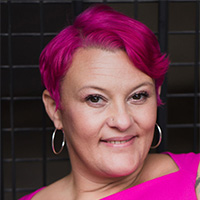 Beven Byrnes is executive director of Bridges Middle School in Portland, Oregon, and a neurodivergent mother of four. Over the past 14 years, she has worked with hundreds of neurodivergent students at the middle school stage, where beliefs about belonging and self-worth take hold long before adulthood.