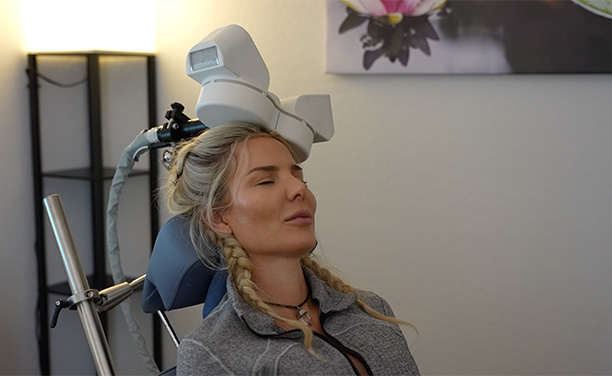
Photo courtesy of American TMS Clinics
Arizona’s behavioral health sector is entering a new phase of growth, shaped by a convergence of policy, payer behavior and clinical innovation. The FDA’s recent clearance of transcranial magnetic stimulation (TMS) for adolescents with major depressive disorder is not just a medical milestone; it is opening a newly reimbursable market and, in effect, creating a new segment within behavioral health, with implications that extend well beyond the clinic.


For years, TMS occupied a narrow lane, largely limited to adult patients and often positioned outside traditional insurance structures. In practice, that meant many providers operated within a cash-pay model, constraining both access and growth. With federal clearance now extending to teens, and major insurers beginning to cover the treatment, the economics are shifting quickly.
“Insurers too often act as gatekeepers, and that has historically limited access to innovative care,” says Houshang Aminian, M.D., medical director at American TMS Clinics. “This FDA approval changes that dynamic. We’re now able to offer a treatment that is safe, non-invasive and evidence-based to a much broader population.”
The timing is significant for Arizona. More than 1.3 million adults and approximately 139,000 teens experience depression or related conditions each year, while more than 2 million Arizonans live in areas with limited access to mental health professionals. Expanding coverage for non-drug therapies like TMS begins to address both access gaps and a new growth category for providers.
From a business perspective, FDA clearance lowers barriers to entry into new patient populations and enables providers to invest with greater confidence. Clinics that once operated within tight margins are now positioned to expand services, hire specialized staff and build infrastructure with a clearer path to return on investment.
Insurance coverage is the catalyst accelerating that shift. As commercial payers begin covering adolescent TMS, the treatment is moving from an out-of-pocket expense to a standard co-pay model for many families. The result is a more stable revenue stream, allowing providers to move beyond fragmented, cash-based care and toward scalable operations.
“What we’re seeing is a fundamental shift in how mental health care is delivered and sustained,” says Juliane Popelka, CEO of American TMS Clinics. “When reimbursement aligns with clinical innovation, it allows providers to grow responsibly while reaching more patients.”
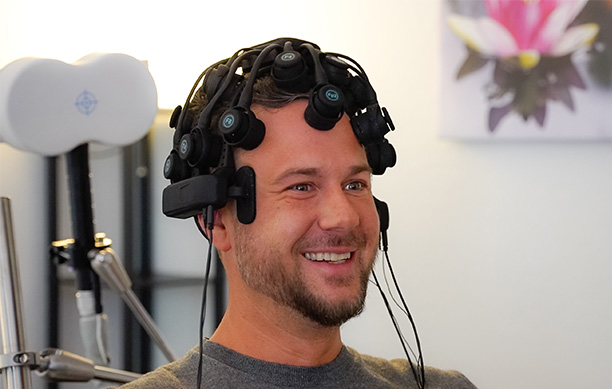
Photo courtesy of American TMS Clinics
Across Arizona, that alignment is beginning to take shape. Markets such as Scottsdale and Chandler are emerging as hubs for data-driven behavioral therapies, drawing attention from investors to a sector that now offers both strong demand and a clearer path to sustainability.
The implications extend beyond healthcare systems. Earlier treatment for adolescents can reduce long-term costs tied to emergency care, hospitalization and lost productivity. For employers, expanded access to mental health care for employees’ families can influence absenteeism, focus and retention.
“TMS does more than mask symptoms,” Popelka adds. “It restores function to the brain. At scale, that translates into stronger families and more stable communities.”
At the operational level, providers are also leaning into data to reinforce value. Tools such as EEG brain mapping allow clinics to track progress and demonstrate outcomes to insurers and referral networks, aligning with a broader shift toward performance-based care.
Taken together, FDA clearance and insurance adoption are redefining the business framework of mental health care in Arizona, transforming a once-fragmented sector into one that is increasingly structured and positioned for growth.
As demand continues to rise, the organizations that succeed will be those able to align clinical innovation with sustainable reimbursement. In Arizona, that transformation is already underway.