 Where the Jobs Are
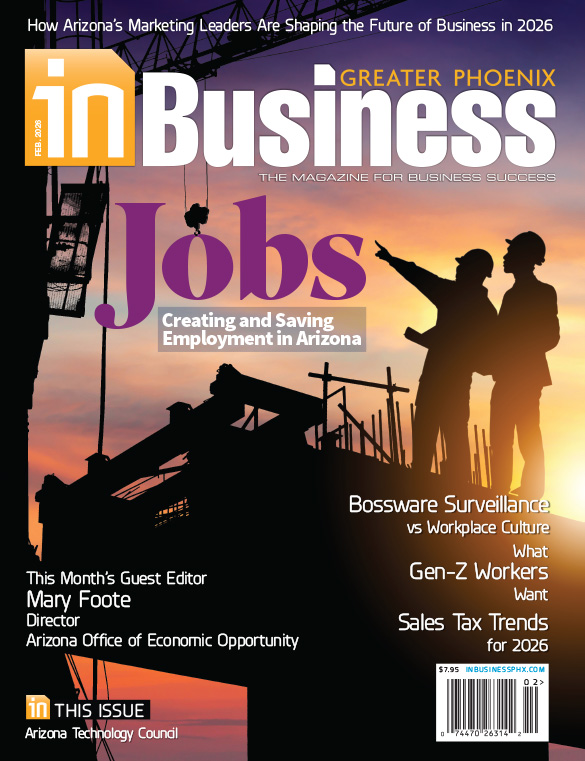
Arizona, and Metro Phoenix particularly, have been seeing tremendous growth in population and business. But does that growth sync with the reality of jobs? Is job creation keeping pace, and is there available workforce that matches employer needs? This month, In Business Magazine takes on the topic of Jobs.




But Arizona’s approach to workforce development goes beyond simply filling jobs — we’re building economic resilience through a holistic strategy that creates pathways to prosperity for all Arizonans.
OEO’s data projects remarkable growth, with 450,000 new jobs by 2034, significantly outpacing national averages. Healthcare leads this expansion with 113,500 projected positions, followed by construction adding 51,800 jobs and manufacturing contributing nearly 30,000 opportunities.
Through public-private partnership initiatives like BuildItAZ, which has invested nearly $6 million into apprenticeship pathways, we’re creating skilled workers ready to meet industry demands. The ReadyTechGo program connects Arizonans with high-paying manufacturing careers through rapid certification pathways, while our Rural Healthcare Workforce Initiative addresses critical shortages in rural communities.
True economic resilience requires more than job creation — it demands a comprehensive approach addressing barriers to employment. That’s why we’re focusing on affordable childcare through our microbusiness lending program, expanding housing options, and financing critical public infrastructure projects through the Arizona Finance Authority. By investing in both community infrastructure and human potential, we’re creating an economy where Arizonans don’t just find jobs — they build sustainable careers and access genuine economic opportunity.
The cover story this month focuses on the jobs situation in Greater Phoenix — what business sectors are experiencing the greatest growth in creation of jobs, where are there gaps in filling them and how is that being addressed. Among those sharing their insights and expertise to answer those questions, alongside myself, are Sandra Watson at ACA, Christine Mackay at GPEC, Steve Gonzales at MCCCD and leaders at trade schools and businesses.
Lisa Schmidt takes a targeted look at the employment picture for one significant segment of the workforce in feature article “What Gen-Z Workers Want – and How Phoenix Employers Can Deliver.” She gives another angle to the topic of jobs as she discusses how businesses need to consider, beyond just creating jobs, how to differentiate themselves for successful recruitment.
Feature “How Arizona’s Marketing Leaders Are Shaping the Future of Business in 2026” explores another major topic this month. Coming out of the recent inaugural Arizona Marketing Leaders Summit, co-hosted by LT.agency and WP Engine, Nick Dan-Bergman discusses challenges and strategies for businesses facing today’s rising competition for talent, shifting consumer expectations, and growing pressure to differentiate in crowded markets.
And Greg Hague zeroes in on one facet of marketing in his article “The Maverick Manifesto: How to Hijack Attention When the World Is Screaming” as he considers implications of this event season.
Employer/employee relationships is the underlying theme in two other features this month. Selena Rezvani offers the cautionary “Bossware Surveillance Is the Death of Workplace Culture,” advocating for openness and confidence. And Anthony Spinato describes “Why We Chose an ESOP for Our Growth, Succession and Legacy Options” as he advocates for employee ownership, explaining his family’s decision to share “a slice of the pie” after five decades as a family-owned restaurant.
Other content spans information about Subchapter V in the Legal feature, sales tax trends in the Economy feature, trends in commercial real estate, advances in healthcare and in technology and a Briefs article on insurance strategies. And more business-relevant content aimed at strengthening our business community.
It’s my pleasure to help bring you this February edition of In Business Magazine. Enjoy the read.
Sincerely,
Mary Foote
Director
Arizona Office of Economic Opportunity
Mary Foote serves as director of the Arizona Office of Economic Opportunity, where she coordinates workforce development strategy, monitors tax and regulatory competitiveness, and produces economic research and analysis. She leads initiatives like BuildItAZ and ReadyTechGo, creating pathways to prosperity through data-driven workforce programs. Foote previously managed economic development projects in both public and private sectors, focusing on building resilient economies through strategic public-private partnerships.