Each July, the Americans with Disabilities Act (ADA) anniversary offers an important opportunity to reflect on the progress made in expanding access and opportunity for people with disabilities. At the same time, it is also a reminder of how much work remains, particularly in education.







Higher education is often where opportunity either expands or narrows, shaping students’ paths to careers, economic mobility and participation in society.
The ADA, signed into law on July 26, 1990, helped establish a national promise that disability should not limit someone from participating fully in school, work and community life. More than three decades later, fulfilling that promise increasingly depends on whether students can access education in ways that fit the realities of their lives.
For learners across Arizona, accessibility is not just about physical spaces. It is about time, technology, affordability, flexibility and removing barriers that make earning a degree harder than it should be.
When accessibility is built into a system from the start, it benefits everyone. The curb cut is a familiar example. It was designed to support wheelchair users, but it also helps parents with strollers, travelers with luggage and workers moving equipment. When one barrier is removed, the benefit often reaches far beyond the group it was originally designed to serve.
Higher education can learn from that same principle. While the national conversation around accessibility and education has focused heavily on digital compliance, such as inclusive course materials, mobile applications and online learning environments, access cannot stop there. It must be embedded into the education model itself.
Flexible pacing, online learning, year-round enrollment and personalized support give learners greater control over how and when they earn a degree. They can progress based on what they know rather than how long they spend in a classroom. Western Governors University’s (WGU) online, competency-based model is one example, designed for working adults who need a more adaptable path to a degree while also benefiting many learners, including those with disabilities. Just as importantly, the model is designed to help students succeed beyond graduation by equipping them with the skills employers are seeking. For many, this flexibility is not simply a matter of convenience. It is the difference between stopping out and continuing their education.
Employers are increasingly looking for workers who can demonstrate skills, adapt to change and continue learning throughout their careers. In fact, nearly half of employers plan to increase their focus on skills-based hiring in the next year. For students with disabilities in Phoenix, versatile, career-aligned education can create a clearer path not only to earning a degree, but to entering or advancing in a career with the preparation needed to succeed.
The ADA anniversary is a moment to celebrate progress, but it should also push other industries as higher education, to think more ambitiously about access. Ramps, closed captions, screen readers and compliant websites remain essential, but true accessibility requires systems that treat flexibility as a foundation.
For Phoenix, that means expanding education models that meet students where they are, recognizing that disability should never narrow a student’s future. And continuing to remove barriers higher education has the power to address.
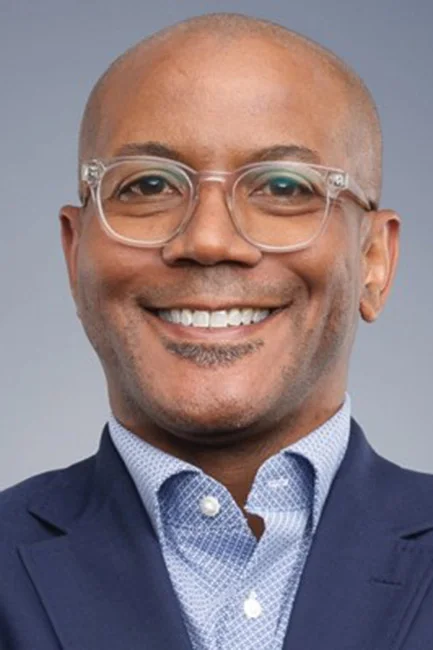 Richard Benbow is the Regional Vice President (West) of Western Governors University, America’s first and largest competency-based university. In this role, Mr. Benbow combines his passion for innovation and information technology with his desire to serve others to provide access to affordable, high-quality education for underserved adult learners throughout the region. He leads a team that executes strategy and operations to optimize student success utilizing the WGU platform and developing partnerships and relationships which drive value for employers and students.