The oral microbiome is moving rapidly from a research interest to a commercial market force, reshaping how dental practices approach diagnostics, prevention and long-term growth. Advances in molecular testing, growing evidence linking oral bacteria to systemic health, and rising consumer demand for personalized insight are accelerating adoption across the dental sector.





Periodontal disease affects more than 40% of U.S. adults, according to the Centers for Disease Control and Prevention, creating a large and persistent clinical and economic burden. As practices look for ways to diagnose earlier, treat more precisely and improve patient outcomes, interest in oral microbiome testing continues to rise.
Physicians Group Laboratories, a CAP-accredited, CLIA-certified clinical laboratory providing molecular diagnostics for medical and dental practices nationwide, is the laboratory partner behind the IDX oral microbiome testing platform, which is designed for routine use in dental workflows.
“The market is accelerating because diagnostics are finally aligning with real-world practice needs,” says Rachel Alexander, technical product manager at Physicians Group Laboratories. “Saliva-based PCR testing has become fast, noninvasive and practical enough to integrate into routine dental care.”
Historically, microbial testing faced barriers that limited its commercial viability. Long turnaround times, invasive sampling and complex reporting made testing difficult to scale. Newer oral microbiome panels address these constraints by identifying multiple high-risk organisms from a single saliva sample and delivering results within 24 to 48 hours. Faster turnaround supports workflow efficiency and allows practices to incorporate testing into hygiene visits and periodontal maintenance without disrupting schedules.
Consumer behavior is also influencing market growth. Patients are increasingly familiar with microbiome concepts through direct-to-consumer testing and functional medicine models, shaping expectations inside dental offices.
“Patients want data they can understand and act on,” Alexander says. “Microbiome testing provides tangible information that supports prevention-focused care and reinforces engagement between visits.”
As adoption increases, attention is shifting from novelty to operational and clinical value. Early microbiome tests often focused on isolated organisms, which provided limited insight into disease progression or treatment effectiveness. Current diagnostics are evolving toward evaluating microbial relationships, bacterial burden and inflammatory risk within the broader oral ecosystem.
“This shift allows providers to track changes over time rather than relying on single-point results,” Alexander says. “That longitudinal view is critical for evaluating whether therapies are working and when adjustments are needed.”
From a business perspective, this capability supports more consistent treatment planning and follow-up. Practices can identify patients who may not respond fully to conventional therapy and adjust maintenance strategies accordingly. Persistent or aggressive pathogens may require targeted interventions or closer monitoring, helping practices reduce retreatment cycles and improve outcomes.
Operational efficiency also plays a role. Faster results allow clinicians to review findings before the clinical day begins, reach out to patients promptly and reduce administrative bottlenecks. This supports smoother scheduling and more effective patient communication.
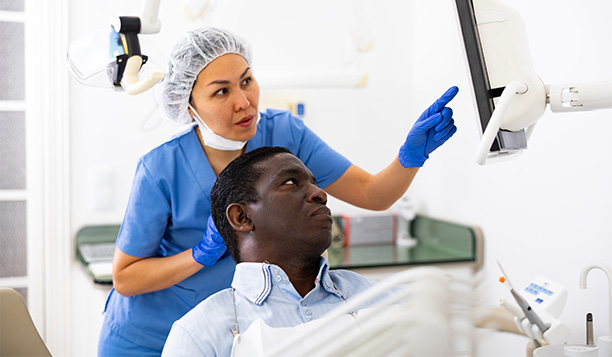
Objective data can also improve patient understanding and acceptance of recommended care. When patients can see the bacterial contributors to inflammation, they are more likely to participate in treatment and long-term prevention, supporting retention and continuity of care.
“Data changes the conversation,” Alexander says. “It helps patients understand why care is needed and how progress is being measured.”
As the oral microbiome market grows, experts caution against overstating its role. Testing does not replace clinical judgment or comprehensive exams. Its value lies in how effectively it integrates into existing workflows and supports decision-making.
Looking ahead, market momentum is expected to continue as diagnostics become more accessible and education expands. For dental practices, growth will be driven less by novelty and more by execution, with tools that balance scientific rigor and operational practicality supporting sustainable expansion.