Picture this: a strong company that’s starting to crack from the inside. Productivity is slipping. Top performers have quietly begun looking elsewhere. Leadership is wondering where they went wrong. Compensation is competitive. The benefits are solid. The work is meaningful. So, what’s missing?





For a growing number of organizations, the answer is showing up in an unexpected place. Not in a new bonus structure or remodeled office, but in community. Companies that make workplace volunteering a genuine priority are reporting something remarkable: employees are more committed, more connected and more likely to stay. For employers, the data behind these outcomes is hard to ignore.
The Numbers Behind Retention, Well-Being and Culture
The business case for structured volunteer programs starts with commitment. According to Percent Pledge, 82% of employees who volunteer through work feel more committed to their company. In a time when replacing a single employee can cost anywhere from half to two times their annual salary, that kind of loyalty isn’t a soft benefit, it’s a financial one.
Burnout also shows up on the balance sheet through reduced output and high turnover rates. A United Health Group study found nearly four in five volunteers report volunteering makes them feel better, mentally and physically. A fulfilled workforce tends to show up differently — and that difference is measurable.
When colleagues volunteer together, the effects extend well beyond the experience itself. Ninety-two percent of volunteers say group service builds stronger teamwork and people skills, while 77% report it creates stronger working relationships, according to a study by United Health Group. Trust built outside the office is reflected with better collaboration, clearer communication and mutual accountability.
Building the Leadership Pipeline
Beyond positive workplace culture, volunteering offers something most organizations spend significant budget trying to develop: real leadership experience. When an employee has the opportunity to coordinate a community project, manage a group of volunteers or navigate logistics in an unfamiliar environment, they’re practicing adaptability, communication and problem solving under pressure — all skills that transfer directly back to the workplace.
When people are in different settings, they often discover initiative, empathy and organizational skills they hadn’t fully tapped into at work. Companies that recognize this are treating volunteer programs not as an obligation, but as an extension of their leadership development strategy.
Community Presence Is a Competitive Advantage
There’s an external dimension to this conversation that business leaders shouldn’t underestimate. As younger generations enter the workforce, priorities are shifting. Values alignment isn’t a nice-to-have anymore; it’s a deciding factor, particularly among millennials and Gen Z. Job seekers are researching how companies show up in their communities before they even walk in for an interview.
Being a visible and consistent community partner signals long-term commitment to stakeholders. Certain businesses have achieved this by building volunteer efforts directly into their company pillars. The takeaway is simple: Showing up in the community isn’t separate from doing good business; it is good business. Organizations that embrace this mindset build trust and strengthen their brand reputation over time.
You Don’t Have to Build This from Scratch
The most common reason companies don’t formalize their volunteer efforts isn’t from lack of interest; it’s not knowing where to start. Finding local nonprofits, aligning them with employee passions and organizing group experiences takes time that most employers simply don’t have.
That’s exactly the problem that certain resources, such as JoinUsInGiving.com, were built to solve. Created by Valley Toyota Dealers Association, the platform connects Arizona employers and residents to more than 40 Phoenix-area nonprofits, focused across five focus areas: People & Community Empowerment; Health & Wellness; Animal Care & Rescue; First Responders & Community Safety; and Arts, Culture & Sports.
The Decision That Changes Your Workplace Culture
With April being National Volunteer Month, now is the perfect time to take action. The companies that define Arizona’s business community over the next decade will be the ones that actually listen to what their employees care about. Your employees are already looking for a purpose. Your future hires are already researching your values. Nonprofits doing critical work across the Valley are already waiting for partners like you to make a commitment. The data, the resources and the moment are all aligned.
The only question is whether your company will lead by example or wait for the opportunities to come to you.
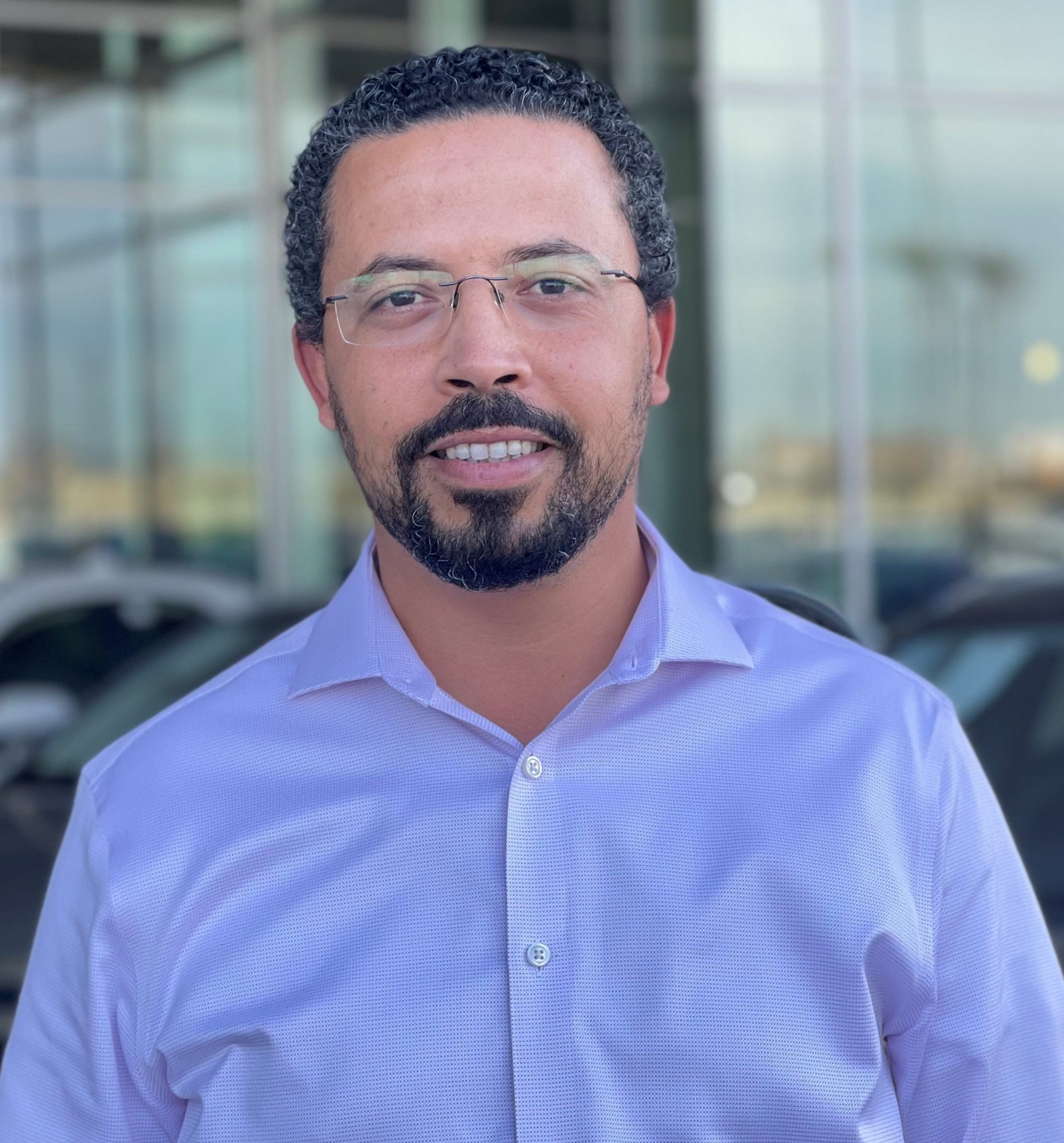 Kamal Charef is president at Valley Toyota Dealers Association.