 Why is honoring achievement important? How does it impact our business community?
Much can be gained by individuals, teams and industries from celebrating achievement when we understand what’s required to succeed and share valuable lessons learned along the way.


Both hitting a home run or falling short of expectations can create resiliency, inform next steps, build character — and keep us humble.
A longtime champion and major donor of First Place AZ and SARRC often reminds me that “if you’re not failing, you’re not trying hard enough.” Failure and its consequent problem-solving are an integral part of achievement that can motivate us to keep going and make that “next first” possible.
It can prompt us to pause and reflect as we appreciate what’s working and what needs to work better for those we intend to serve or support.
After all, failures and feats can ignite imaginations and inspire us in formidable and enduring ways.
What is the single most important thing you have learned throughout your career that would inspire others/other women?
When tackling complex and challenging issues, the most important thing I do is enlist the expertise, perspectives and wisdom from those I trust and respect.
These invaluable connections represent family members, colleagues and friends. They are luminaries from the public, private and charitable/nonprofit sectors who answer my calls, meet me in an office, online or on a hiking trail, and count on me to do the same.
Our heartfelt connections span many dimensions and quests to strengthen our community, country and world for those we love and care about the most.
Big ideas like First Place – Phoenix, an urban-oriented, supportive housing community for adults with autism and I/DD, and the decades it took to develop the property are now fueling a new marketplace of housing and community development through First Place Global, which represents a powerful example of what we can do together that we cannot do alone.
What do you think we can do – now – to make a difference for young people/women in Arizona?
To make a real difference for young people and women in Arizona, we must commit to showing up — not just with advice but with authentic presence. Mentorship is powerful when it goes beyond career guidance and creates trusted relationships where young women feel seen, heard and understood. That means meeting them where they are, listening intently to their issues and connecting their ambitions to real-world opportunities.
Equally important is leading by example. When young women see us navigating leadership with integrity — balancing ambition with the realities of life and making space for both success and setbacks — it gives them permission to lead in their own authentic way.
By investing our time, sharing our stories and modeling resilience, we create a cycle of support that multiplies across generations. Arizona’s future will be shaped not only by the opportunities we create but by the example we set.
In A Few Words
- What was the last course, certification or training you took to improve yourself professionally? LeadershipU by Korn Ferry
- What would you say is a single characteristic OTHERS might attribute to you that defines your success? Indefatigable
- What is the one thing you feel you could work on professionally to be a greater success? Technology
- What is the one professional skill you have that has gotten you where you are today? Collaboration
- What is the single greatest issue facing Arizona today? With a trailblazing history of innovation and collaboration and robust real estate industry, our state is uniquely positioned to take on the persistent and growing problem of housing accessibility and affordability and be the exemplar, ensuring every Arizonan has a place to be at home.
About Me
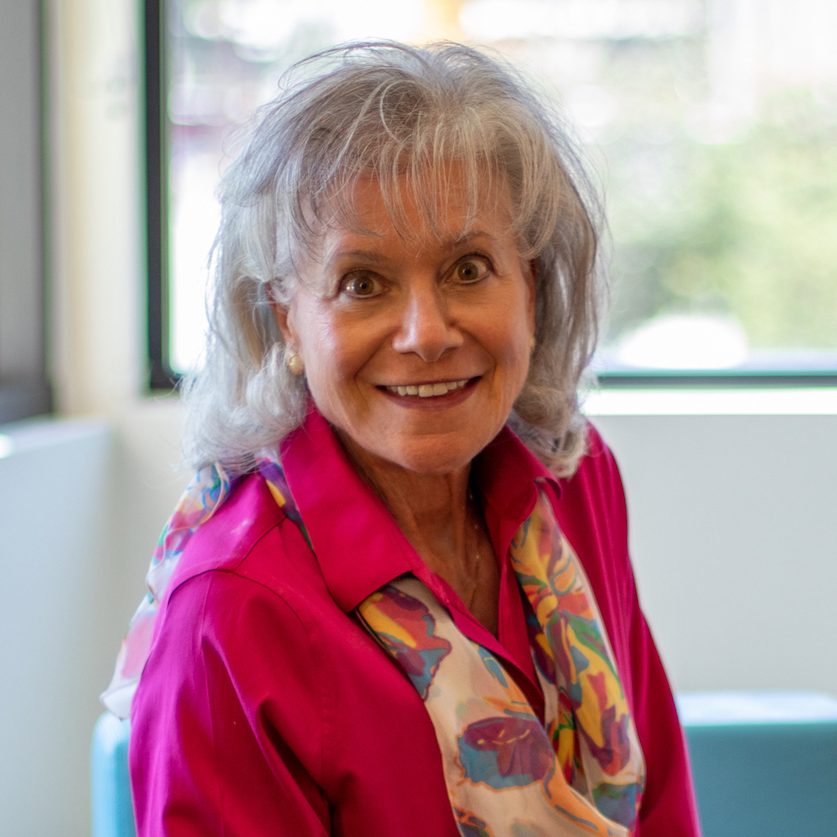
Denise Resnik is founder, president and CEO of First Place AZ (est. 2012), co-founder of Southwest Autism Research & Resource Center (SARRC, est. 1997) and founder and CEO of DRA Collective (est. 1986), a marketing and communications firm serving clients in real estate, economic development, healthcare, education and hospitality.
A native Phoenician and international leader in autism, Resnik has raised community awareness of autism and resources supporting individuals and their families throughout their lifetimes. Collaboration including SARRC, First Place and dozens of tri-sector organizations led PBS NewsHour to produce a nationally broadcast series citing Phoenix as “the most autism-friendly city in the world.”