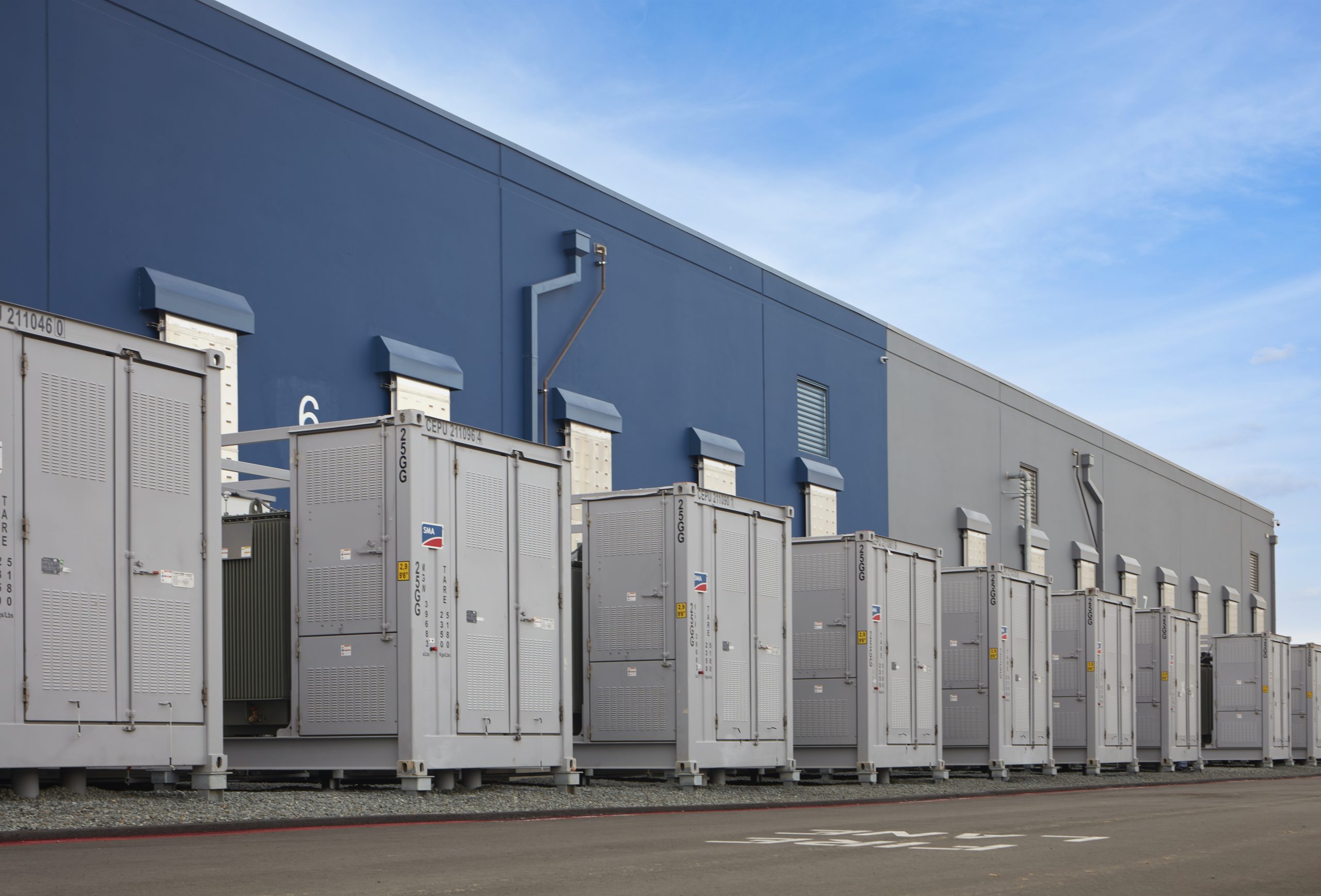
 Stand Alone Battery Storage Facility or BESS facility







Reliable power supply is fundamental to society, driving everything from daily household activities to complex industrial operations. However, the existing utility power infrastructure is increasingly challenged by rising demand, aging systems and the pressures of integrating new technologies. This has led to significant issues, particularly during peak-demand periods. As the energy landscape evolves, microgrids coupled with battery energy storage systems (BESS) present a promising solution to enhance power supply resilience, efficiency and sustainability.
Power Supply Challenges
Traditional power systems are heavily reliant on centralized utility power grids, which are being strained and are vulnerable to disruptions. Natural disasters such as wildfires, hurricanes, deep freezes and earthquakes can cause widespread outages, highlighting the fragility of these systems. Additionally, centralized grids can encounter transmission losses and inefficiencies, further straining the ability to meet peak demand effectively.
The U.S. power grid faces growing strain due to increasing demand as new technologies like data centers dedicated to artificial intelligence workloads place substantial power needs on dated infrastructure. Arizona, which is one of the fastest-growing data center markets in the country, along with the rest of the Southwest and Midwest, in particular, experience significant peak demand issues during the workweek and hot summer months. This growing demand is exacerbating the strain on power infrastructure across these markets. The interconnection queue, a process utilities use to manage the integration of new energy projects, is overwhelmed, with applications facing backlogs of three to ten years. Nearly 2,480 GW of solar, wind and energy-storage projects are now backed up in U.S. transmission interconnection queues. More than 1,200 GW has requested interconnection in recent years, according to a report from Lawrence Berkeley National Laboratory. Finding solutions to meet the growing demand is essential, and the good news is that there are options being developed and growing in popularity.
Power Supply Innovations
Microgrids, which are localized energy systems capable of operating independently or in conjunction with the main grid, are becoming more prevalent thanks to the reliability, resiliency and efficiency they can offer significant power users. The three main types of microgrids are:
- On-site Generation Microgrids: These are situated directly at the energy consumption site, reducing reliance on external power sources and potentially bypassing interconnection delays. There are a number of common places where these microgrids are being built, including hospitals/healthcare facilities, data centers, university campuses and military bases, as well as industrial and commerce centers.
- Grid-Connected Microgrids: These systems connect to the main grid and can aid in peak shaving, which is particularly appealing to utilities looking to manage demand more effectively. These projects are popular in hot weather climates like Arizona, California and Texas where tremendous strain is placed on the grid during the hot summer months.
- Islanded Microgrids: Capable of operating independently from the main grid, these microgrids provide a robust solution during grid outages or in remote locations. These are popular in remote/island communities like Alaska and Hawaii, and also in disaster-prone areas like Puerto Rico and Florida.
Components of a microgrid include distributed energy resources (DERs) such as solar panels or wind turbines, energy storage systems, and sophisticated control and management systems that optimize energy distribution and usage.
BESS, specifically Li-Ion Phosphate (LFP) technologies, offer flexible power and capacity solutions. BESS equipment has coalesced around a 20’ ISO container form factor and offers two-eight megawatt hours of energy storage building block solutions. These systems deliver electricity over two- to eight-hour durations and support various types of use cases. BESS are integral to modern microgrids, storing energy for use when demand peaks or during outages and are improving grid efficiency by reducing transmission losses and providing backup power. Advanced safety features, mandated by regulations, ensure their reliability, performance and safety.
Key types of BESS include:
- PV Storage Systems: These store energy generated from photovoltaic (solar) panels, making renewable energy available even when the sun isn’t shining.
- Utility-Scale Storage Solutions: These large-scale storage systems help utilities manage load and integrate renewable energy more effectively.
Advantages of Microgrids and BESS
Microgrids enhance the reliability and resilience of power supply by allowing autonomous operation during grid outages. This redundancy ensures continuous power supply and flexibility in power distribution, crucial for critical infrastructure and industries.
For instance, large-scale, stand-alone battery energy storage systems are being deployed in Western states to support grid reliability and manage peak demand, showcasing how BESS can stabilize power supply in regions with high energy consumption. Across the U.S., more solar facilities are being coupled with BESS, which allows for the generation of solar energy during the day and deployment of the power in the late afternoon and evenings when it is needed most.
Microgrids and BESS optimize local energy resources, reducing the need for long-distance transmission and associated losses. This localized approach not only improves the efficiency by which energy is dispatched, but also cuts costs, making energy supply more affordable and reliable.
Future Outlook
The challenges of modern power supply and the growing power needs of businesses and communities to continue propelling AI advancements necessitate innovative solutions. Microgrids and BESS offer a viable, sustainable and efficient answer to these challenges. Both microgrids and BESS are playing a critical role in peak shaving, reducing the burden on the main grid during times of high demand, while also helping to balance load and preventing outages for utilities across the U.S. A similar strategy can bring energy security to high-demand power users such as data centers, while offering a way for businesses, developers and remote locations to reduce time in the interconnection queue by providing a self-contained power solution and enhancing the overall resilience and efficiency of the power grid.
The growing interest and deployment of microgrids and BESS underscore their potential to transform the energy landscape, ensuring a stable and sustainable power supply for years to come. The ability to monetize microgrids and BESS using off-take structures by selling energy or capacity to consumers, utilities or other entities makes these solutions even more appealing. Common ways to do this include power purchase agreements (PPAs), capacity contracts, Energy-as-a-Service (EaaS), demand response programs, arbitrage, grid services, and community or commercial off-take agreements. By combining these off-take structures, businesses can diversify their revenue streams while supporting sustainable and resilient energy systems.
By enhancing reliability, improving efficiency and integrating renewable energy sources, today’s microgrids and BESS systems support a resilient and sustainable energy future.
 Ryan Ferguson is senior vice president of operations for the Mission Critical team at McCarthy Building Companies
 Kyle Smith is vice president of operations for the Renewable Energy and Storage Team at McCarthy Building Companies.