 While federal legislation is advancing that aims to eliminate reimbursement barriers that have historically impeded the rollout of remote patient monitoring — especially critical in states like Arizona, where long drives to medical facilities and VA centers are still common — innovation is also happening closer to home.
Federal efforts designed to boost access to care in rural areas include HHS Secretary Robert F. Kennedy Jr.’s campaign to mainstream wearable health technologies and Sen. Marsha Blackburn’s Rural Remote Patient Monitoring (RPM) Access Act.


In Arizona’s health-tech sector, key players are actively developing RPM technology tailored for low‑bandwidth environments, capable of monitoring vital signs and enabling early intervention. These advances are helping close healthcare gaps for rural residents, seniors and veterans alike.
The platform offers real-time monitoring of vital signs and trend analysis, enabling doctors and care teams to track patients’ health continuously. When measurements fall outside defined ranges, automated alerts trigger to ensure timely attention. Integrated telehealth capabilities allow for prompt intervention, connecting patients and care teams instantly when necessary.
To support care in low-bandwidth and remote regions, such technology includes offline syncing and cellular connectivity options. It also boasts compatibility with more than 550 medical devices, ensuring seamless data collection from diverse sources. Integrated with Microsoft Cloud for Healthcare and Microsoft Fabric, the system has the potential to connect with more than 1,000 health systems and hospitals across the country.
This approach goes beyond improving care to preventing complications. By leveraging affordable connected solutions, it gathers early insights and detects trends before health issues escalate. It shifts healthcare from reactive to proactive, moving toward a predictive, preventive, personalized and prioritized model. This transformation helps Arizonans remain healthier at home, reduces emergency room visits, and lowers overall healthcare costs.
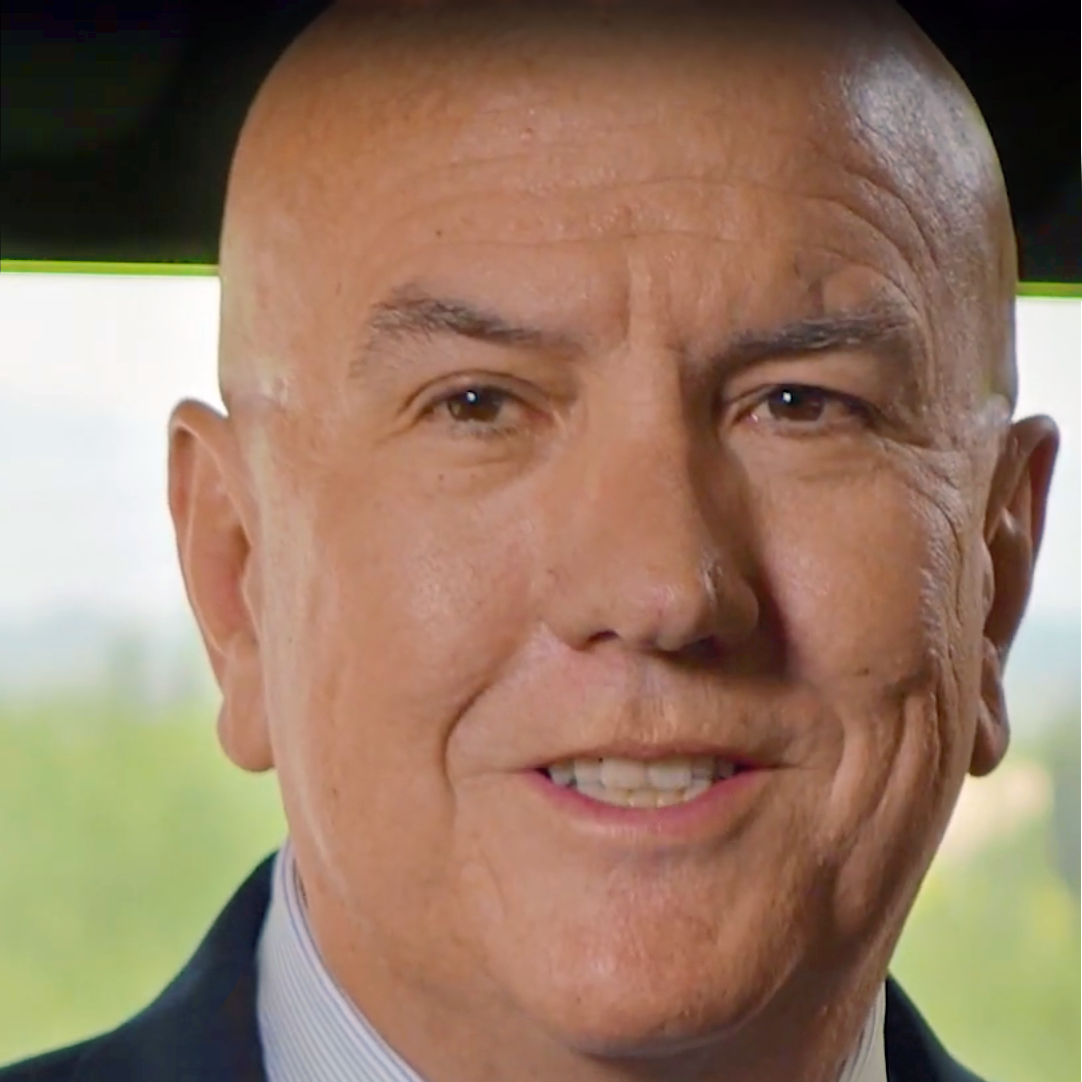 Kent Dicks is CEO of Life365.