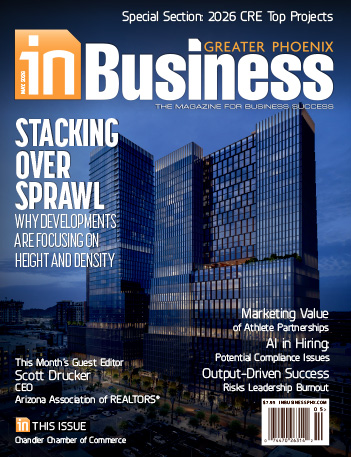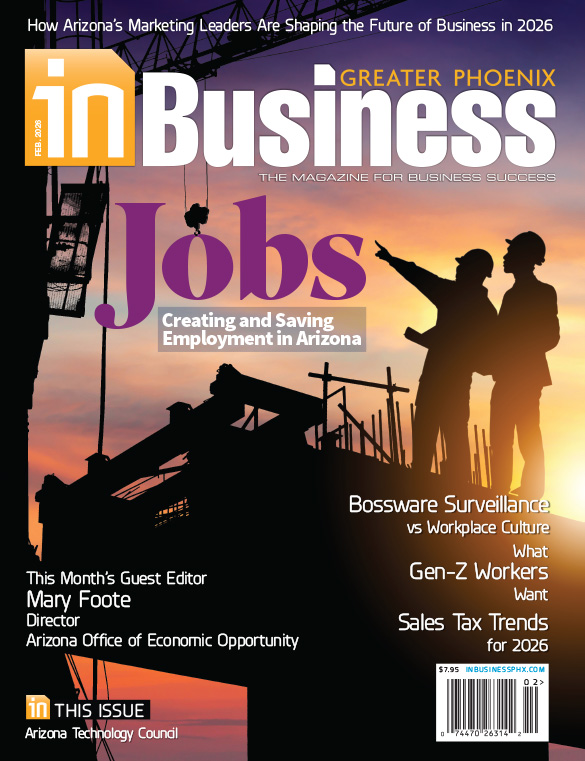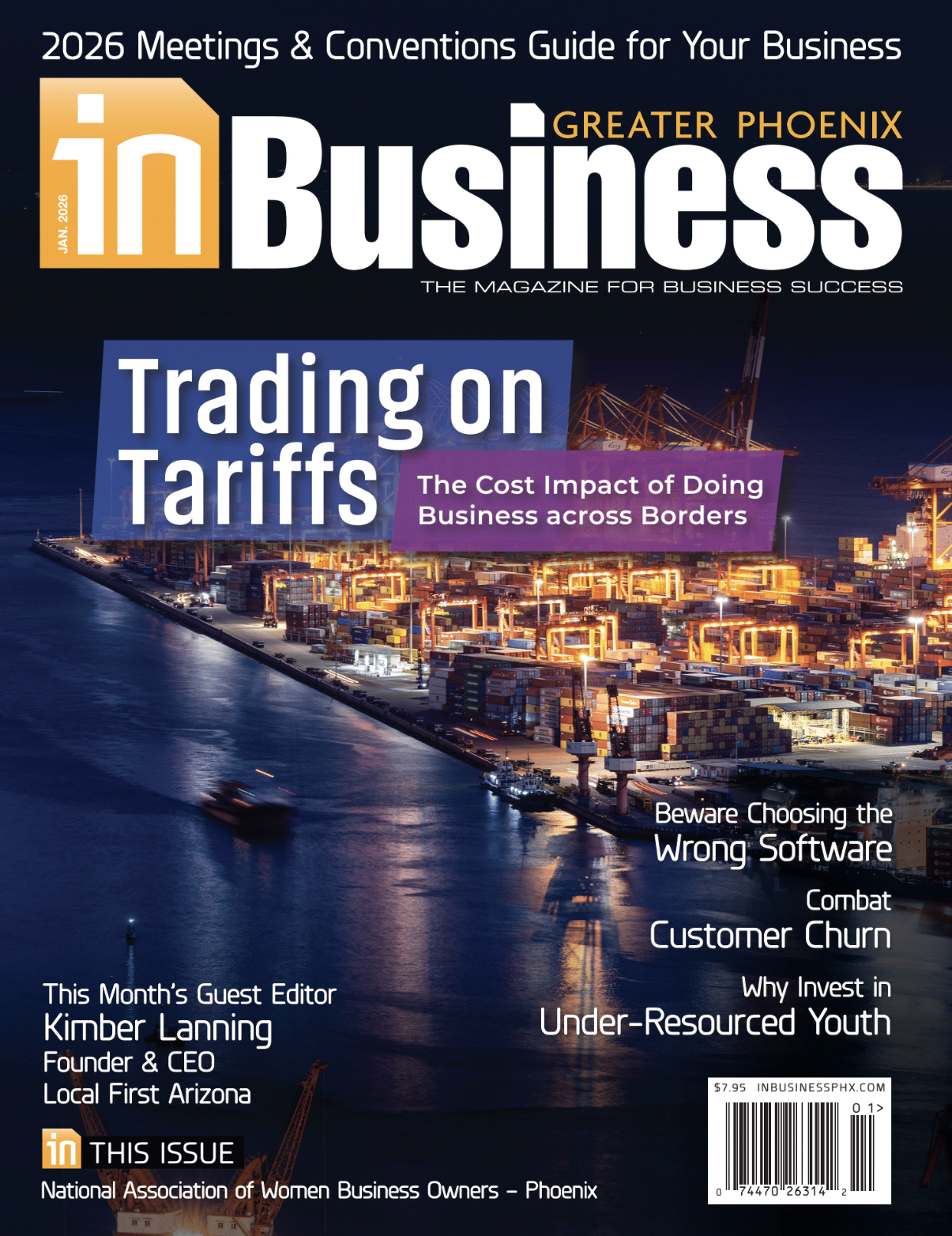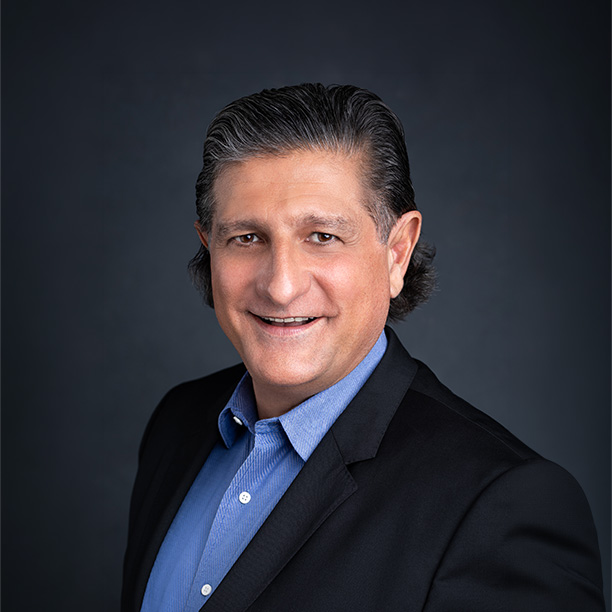
Successful business leaders believe in people-centric practices and policies. Capitalism is not a winner-take-all construct. Well, for Chris Benguhe, meeting CEOs and founders in the for-profit world who quietly lived these principles created an epiphany as he turned from an ego-centric industry in Hollywood to a broader, national, business-related journalism when he returned to his native Phoenix. Quiet is not in his nature, and this new awareness ignited in him a passion to share those business stories with a wide audience.







An oft-overlooked quote from capitalism icon Adam Smith that people inherently need to improve life for others provided Benguhe a framework for his focused effort. Becoming a voice for a movement he branded “Social Capital” to underscore the point that people (not profit) are the most important element in capitalism, Benguhe started first with a special weekly section of feature articles in the news publication International Business Times. After two successful years there, he was able to jump it into his more expansive vision that emphasizes and grows the Social Capital community with events, certification and program as the Dave Alexander Center for Social Capital.
And it has become the world’s premier center for people-centric business strategies, which honors companies that have a proven long-term business strategy built on the bedrock principle of unwavering commitment to people. Its ten powerful and proven principles were organically and directly derived from the real-world practical policies expressed by some of the most compelling CEOs nationally and even internationally in exclusive interviews and thought-leadership articles: authenticity, respect for family in the workplace, empowerment, respect for faith in the workplace, promotion of well-being, listening, empathy, community, excellence and fairness.
“Unlike many other movements, certifications and philosophies out there that might stress being a ‘benefit’ or ‘sustainable’ or a slew of other perfectly fine ideas, Social Capital is the only delineation that stresses the undeniable and inseparable relationship between success in business and success in the lives of all those around us,” Benguhe explains.
Benguhe’s own leadership style reflects those ideals as he’s built a team equally dedicated to expanding the Social Capital movement. Benguhe says his top-notch team, made up of editorial experts he has known for years, has been an instrumental and indispensable part of the Center’s success. He first met managing editor and part owner RaeAnne Marsh more than two decades ago, when he took over another magazine and saw in her an incredible amount of editorial talent, integrity and devotion to many of the business principles the Center recognizes. “She is an editorial traffic genius and engineer who keeps the rest of us running in the right direction — and usually on time.”
He met executive editor and part owner Elaine Pofeldt, an award-winning national business journalist and bestselling author, years ago when they were both helping a major fund manager write his New York Times bestselling book. “Elaine has a real knack for making business news riveting,” Benguhe says. “She zeroes in on exactly why you need to know something if you want to make a business work.”
The rest of the team came from the three owners’ circle of deeply experienced publishing colleagues, all of whom were 100% on board with creating the first center and media outlet built exclusively around business leaders committed to making the world a better place by doing business right.
“Over the past three years, the Social Capital Insider has interviewed and proudly told the stories of nearly 200 leaders who prove, every day, that taking care of people is taking care of business,” Benguhe says. Some of them are high-profile leaders like Ed Bastian, CEO of Delta Air Lines. Every year, on or around Valentine’s Day, Delta celebrates Profit Sharing Day, a tradition dating back to 2007, where he gathers hundreds of employees together in a spirited rally where he announces employee bonuses of over a billion from their annual profits. Since 2015, it has paid more than $11 billion in profits directly to its people. Delta also was the first major U.S. airline to pay flight attendants during boarding. No union contract required it; Delta chose to do it. American, Alaska and United have since followed.
Sharing, “Other leaders run companies many readers had never heard of until we introduced them,” Benguhe points to Vince Barsolo, CEO of Televerde, a Phoenix-based global B2B sales and marketing company. Since 1994, Televerde has worked with incarcerated women, starting in partnership with the State of Arizona. It trains them in sales and marketing so that when they’re released they can land good jobs, support their families and build a better future. Incarcerated women make up 60% of Televerde’s global workforce, and their recidivism rate is under 7%.
Other riveting examples showcased in Social Capital Insider include Don Larson, founder and CEO of Sunshine Nut Company. A former head of Cocoa Purchasing at Hershey, Larson has spent 15 years in Mozambique building a vertically integrated cashew company. He buys directly from smallholder farmers and helps them organize into cooperatives so they can negotiate with a collective voice. He establishes community farms so they have land ownership for the first time. Each village Sunshine serves has a nursery, a farm and a factory, along with a transformation center, a subsidized store and Sunshine homes that pair vulnerable women with orphaned children.
“All these companies are for-profit companies that are making a profit because they do business this way!” he emphasizes.
Benguhe’s enthusiasm has been contagious — first, to the owners of the International Business Times, who created its own named section; then to a cadre of inspired colleagues who bring their complementary expertise; then to a founding sponsor enabling the launch of an independent platform. With its growing following, the Dave Alexander Center for Social Capital continues to lead this movement toward “capitalism done right.”
Summit for People-Centric Leadership:
Unlocking the Business Potential of Social Capital in a Disconnected World
Bringing Social Capital beyond the written platform to a more personal and interactive forum for a full-day event on Thursday, October 22, the Dave Alexander Center for Social Capital presents the inaugural Summit for People-Centric Leadership: Unlocking the Business Potential of Social Capital in a Disconnected World.
“Many leaders who embrace the Social Capital principles of putting people first — their employees, their customer and their community — feel isolated in their industries,” says Benguhe. “This event will bring them together so they can connect, exchange ideas and bring back cutting-edge leadership principles to their organizations.”
Did You Know:
“How selfish soever man may be supposed, there are evidently some principles in his nature, which interest him in the fortune of others, and render their happiness necessary to him, though he derives nothing from it except the pleasure of seeing it.” —Adam Smith, in The Theory of Moral Sentiments