As a new year begins, employers have an opportunity to empower their workforce to live healthier lives and to make more informed healthcare decisions.







Data shows 1 in 4 employees reported knowing little to nothing about their employer-sponsored benefits, a gap that can lead to higher costs and worse health outcomes for both employees and organizations.
Understanding the employee population and how they tend to utilize their benefits can be key to employers helping their workforce get the most of their health plan. While broad communication strategies are useful, data-driven, personalized messaging is often more effective in reaching specific employee groups and encouraging greater engagement with health benefits.
Employers should consider the following strategies to help employees get the most out of their workplace benefits in 2026:
Help employees understand their plan design. When employees understand how their plan is structured, and their premium, copays, deductible, coinsurance and out-of-pocket maximum, they may be able to better estimate care costs for the year.
Innovative plan designs can help make costs more transparent and help people make more informed decisions. Some of these plans offer upfront pricing in the form of a single copay — instead of deductibles and coinsurance — so employees can know costs before getting care.
Encourage employees to consider where they get care. A virtual visit and primary care are generally more affordable than visiting the emergency room. Helping employees understand how to access appropriate healthcare based on their needs can help them save money. In fact, UnitedHealthcare data shows that ER visits can cost 10 times more than an urgent care visit. Many health plans offer tools to help employees find options that may meet their needs and help them save money.
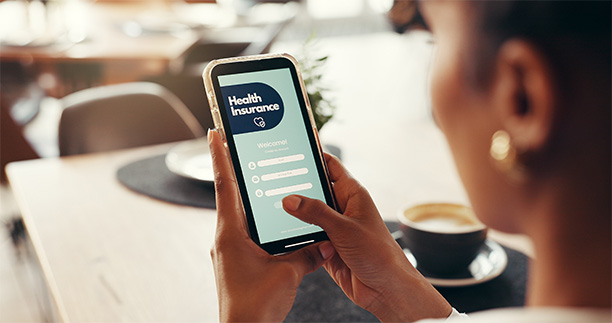
Highlight digital tools for personalized support. Personalized support and digital tools can help employees feel confident in their decisions and may help improve overall engagement and retention. Employers may consider promoting the digital resources available to their workforce designed to make finding, comparing and shopping for care simpler.
Many plans have mobile apps or online member portals that may include such resources. Some health plans also offer discounts on wellness solutions, such as weight loss programs or mindfulness apps. These resources can help reduce confusion about benefits and empower employees to take proactive steps toward their health.
Boost use of specialty and voluntary benefits. Dental and vision benefits are important to overall well-being. By offering specialty and voluntary benefits in addition to medical plans, employers can better support whole-person health and well-being. This is especially important since preventive dental and vision care can help detect signs of chronic health conditions. Similarly, financial protection plans, like accident insurance, critical illness or hospital indemnity, can create additional flexibility for employees.
Prioritize employee mental health. Employers are increasingly recognizing that employee mental health is just as important as physical health, especially given the current mental health crisis in our country. It’s more crucial than ever to design a benefits strategy that addresses employees’ whole-person health and to communicate effectively and frequently. By doing so, employers can build a healthier workplace culture, improve lives and boost productivity in the new year.
In addition to communications employees may receive from their health plan, employers can help educate the workforce about the options available through their workplace benefits. Doing so can help employees unlock the full potential of their benefits — and employers may help support better health outcomes, save on costs and encourage a happier, healthier workforce.
 Heather Kane is the CEO of Employer & Individual plans for UnitedHealthcare in Arizona and New Mexico. Based in the company’s Phoenix office, Kane manages a team of more than 150. Her division offers fully insured and self-funded plans, along with wellness and care management programs to employers, with a focus on ensuring better health outcomes, better experience and better cost control for UnitedHealthcare clients.