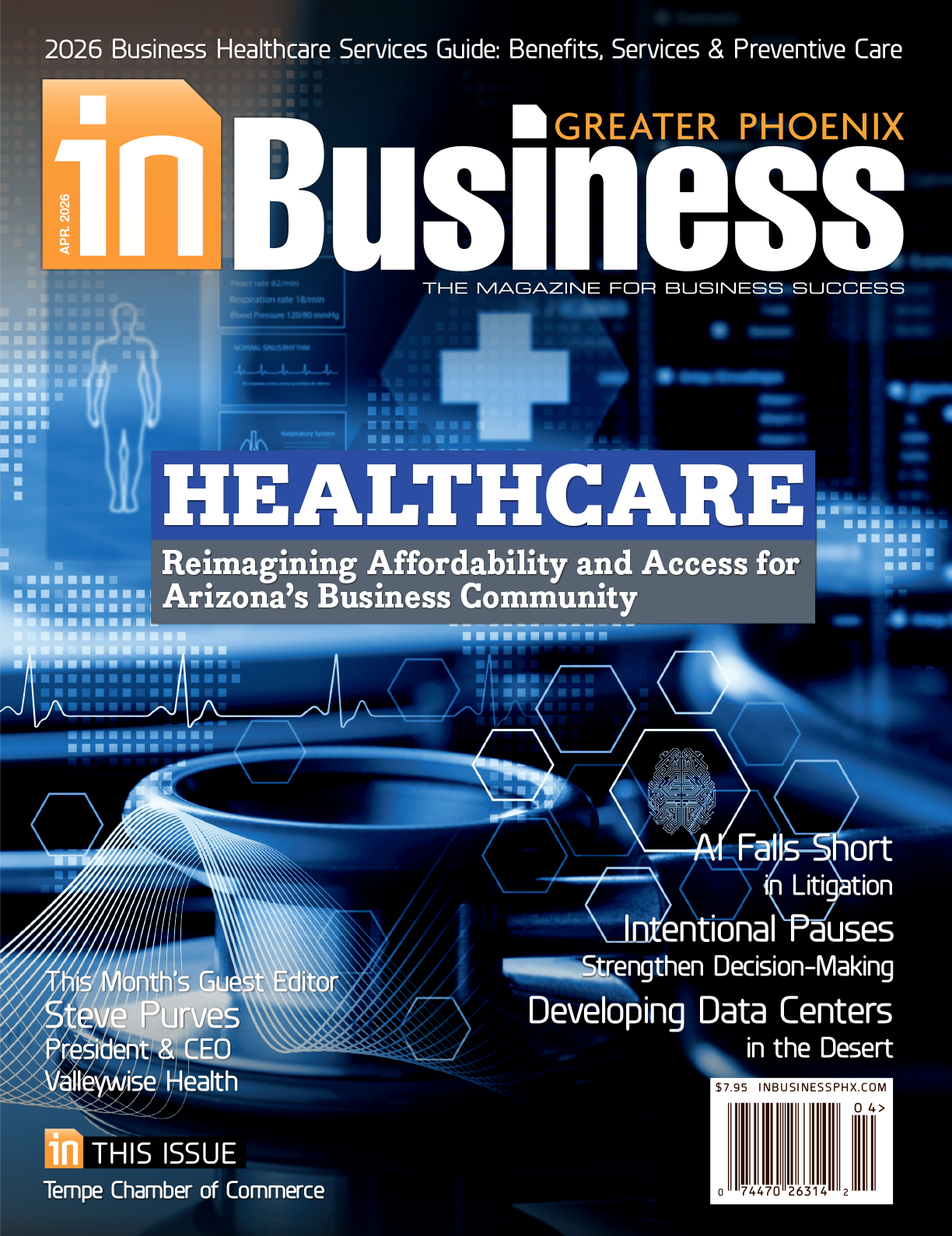
Healthcare remains a critical issue for employers. As a tool for both attraction and retention, healthcare coverage is a high-priority benefit to employees in all age groups. But its place in a business’s profit and loss accounting has evolved beyond strictly a Human Resources concern.
After more than 35 years in healthcare, I have learned that the real cost of healthcare is not simply what an employer pays in premiums. It is also what happens when employees delay care, miss preventive screenings, struggle to navigate the healthcare system or wait until a manageable condition becomes a costly one.





Employers have an opportunity to look beyond the traditional healthcare model and ask a different question: Are our healthcare dollars actually helping employees get the right care at the right time?
When access is convenient and barriers are removed, employees are more likely to seek care earlier, manage chronic conditions and stay healthy and productive at work. Healthcare should not be viewed solely as an expense. When thoughtfully designed and effectively utilized, it can be an investment in both people and the long-term health of the business.
The cover story this month, of which I am happy to be a part, focuses on a trend in healthcare from simply an employee benefit to an employer investment. “Who’s Really Managing Your Healthcare Dollars?” addresses employers becoming healthcare purchasers in place of the old model of simply trusting the plan. Bringing together perspectives from different functions of healthcare access, In Business Magazine shares insights and expertise from an innovative health plan provider, a benefits advisor and a prescription benefits manager.
None of that should diminish the importance of Human Resources as a business function, as Sam Bolen makes clear in “Does Size Matter? The HR Mistake Costing Small Businesses Thousands” — explaining the many ways that waiting until a company is “big enough” for HR can create legal, financial and operational risks long before business owners realize those risks exist.
Veronique James addresses another issue deserving proactive attention: a business’s fundamental essence — its brand. Pointing out that a business model can remain profitable while simultaneously becoming less relevant, she discusses why revenue is not the answer to “How to Know It’s Time to Alter Your Business Model.”
Among other topics covered this month are potential conflict in franchising over employee policies, cross-border philanthropy and a thought-provoking discussion of neurodivergent housing as a business issue. And to the regular monthly departments on healthcare, technology, CRE and more, this October edition includes the annual healthcare business resource “Healthcare Decisions Guide,” all aimed at helping strengthen our business community.
I’m pleased to help bring you this October edition of In Business Magazine and hope you enjoy the read.
Sincerely,
Frances Jacquelyne Ducar, MSN, FNP-C
Founder & President
Healthcare Solutions Centers, LLC
 Frances Jacquelyne Ducar, MSN, FNP-C, is founder and president of Healthcare Solutions Centers, LLC. A nurse practitioner with more than 35 years of healthcare experience, Ducar has dedicated her career to improving access to high-quality, convenient care. Since founding HCS in 2003, she has worked with employers to bring healthcare directly to employees through onsite and near-site clinics. An Arizona native, Ducar is passionate about prevention, early intervention, healthier employees, improved workforce retention and creating sustainable healthcare solutions that benefit both employees and employers.