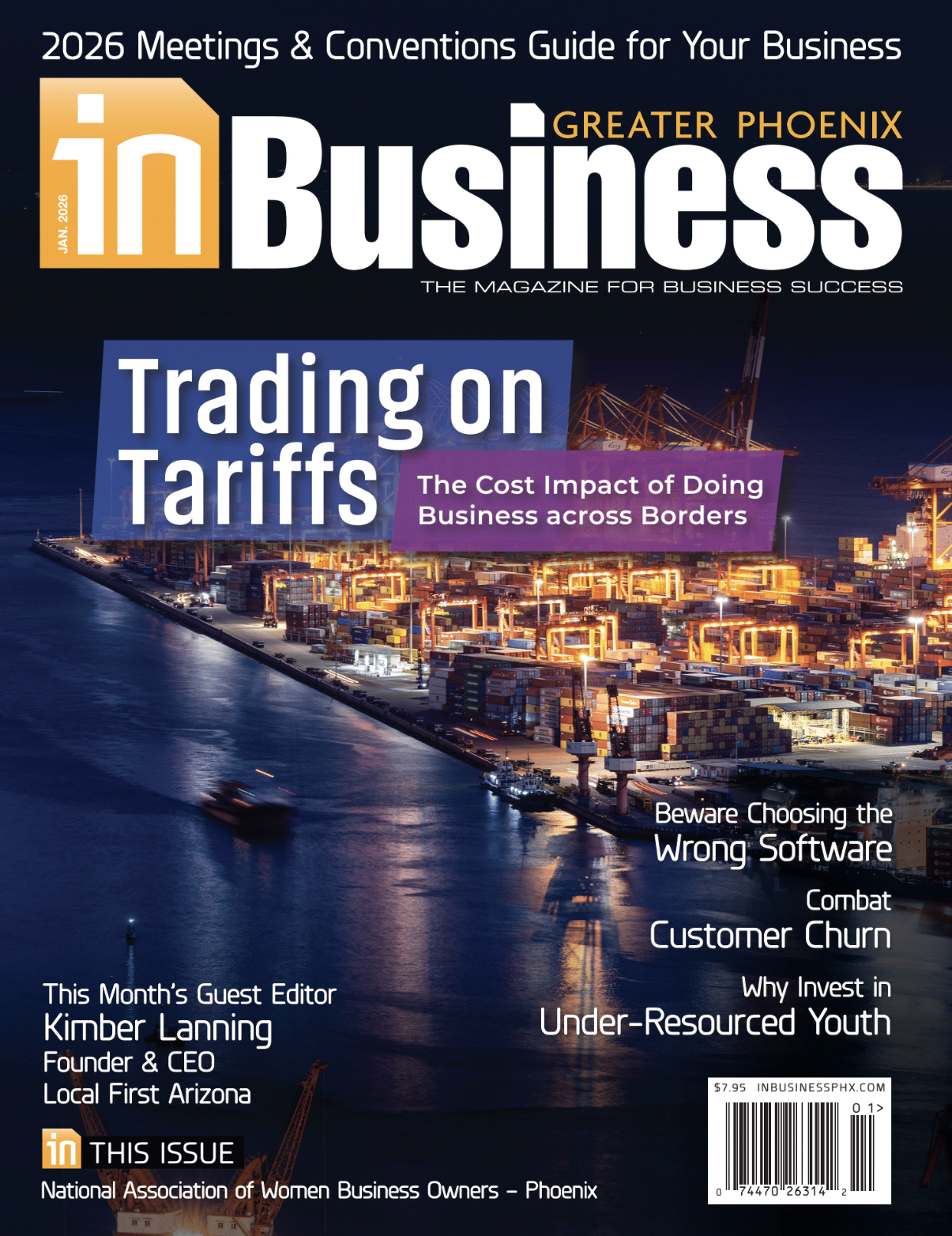
Most people understand that tariffs are not simply a cost tacked onto the final price of a product but permeate every step in the network of transactions that ultimately result in its reaching the market. As businesses throughout the supply chain and marketplace evaluate the challenges tariffs pose for them and calculate their response, we see differences not just in the choice of whether or not to absorb the extra costs but in accommodations that range from ultra-preparedness to changes in the way they do business.





Addressing this impact, In Business Magazine reached out to businesses in our community in varied economic sectors and varied points along a supply chain. Contributors are filling in the gaps in our understanding, some offering broad economic perspective and some sharing insights into changes they’ve made in their growth plans.
Trade Wars, Tariffs and Uncertainty: How New Federal Policies Are Rewriting the Rules for American Business
from John Mitman, Founder & CEO of Obodo Energy Partners
The economic cost of geopolitical maneuvering via tariffs and other trade policies is slow to translate to the marketplace, quietly arriving in quotes, invoices, shipping notices, supplier memos — until we are all forced to ask the question: “What is going on?” In recent years, U.S. trade tensions have escalated into a web of tariffs, import restrictions and regulatory hurdles that touch nearly every sector of American business through direct and indirect cost increases, whether in raw materials, manufacturing inputs or the technology we rely on to operate. For companies like mine, operating in the large-scale energy and infrastructure space, the current international trade climate is a daily operational challenge where we constantly juggle the risk-reward calculus on long-form contract commitments, especially when procurement is spread across many months. What once felt like distant political maneuvering has become a defining force in how we plan, price, source and deliver projects across the Southwest.
Leaders across the political spectrum understand the cost pressures we are facing. The bottom line drives every business, and trade policy is an undeniable variable that can change without warning. Whether you are developing commercial property, manufacturing goods, or running a retail operation, today’s trade environment directly shapes decisions about cost, timing and risk. These pressures continue to reshape how we interact with one another and how businesses plan for long-term growth.
As conditions grow more complicated, the focus has shifted from managing costs to navigating a regulatory landscape that often lacks predictability. Nowhere is this more evident than in one of the least predictable policy developments currently unfolding: the emerging Foreign Entities of Concern, or FEOC, restrictions. While these rules are a hot topic in the clean-energy tax credit community, their reach is far broader. Industries involved in manufacturing, electronics, telecommunications, industrial equipment and even software are now preparing for Treasury guidance that may determine whether their products can participate in federally supported programs. The core challenge is this: A product may be disqualified if even a small ownership interest within a global supply chain traces back to a designated FEOC country, the most prominent of which is China. In practice, a company may discover that an otherwise standard import has unexpectedly become a “bad good,” an (almost) impossible outcome to predict. The unfortunate reality is that the concerted offshoring effort following China’s entrée into the World Trade Organization in 2001 intentionally moved significant amounts of intellectual property and manufacturing prowess overseas. In my view, a more gradual approach will be necessary as we work to rebuild domestic capacity and recover from decades of dependence on foreign production.
The result of these policies is greater volatility in pricing and availability. Where suppliers once offered variety, they now must balance cost competitiveness with the ability to deliver consistent pricing under shifting trade conditions. The FEOC framework adds another layer of uncertainty. Ownership structures across global supply chains are often opaque and can change quickly, and businesses are still awaiting detailed federal guidance on how compliance will be evaluated.
When Trade Policy Collides with the Market
Under stable policy conditions, sourcing equipment and materials is a refined practice; however, in today’s environment, it is a core risk management function. Companies operating on strategic margins cannot absorb unplanned tariff costs, import delays or sudden exclusion from federal programs. Many are transforming how they approach their pricing, legal and capital strategy. One example of the latter is bulk purchasing at designated rates in exchange for certainty.
The irony is difficult to ignore. At the same time our leaders call for economic expansion, technological advancement and infrastructure growth, federal policies intended to strengthen domestic industry have introduced new constraints that may slow or complicate progress.
Charting a Path Forward
Even with these challenges, I remain optimistic. American businesses have a long history of adapting to adversity, and our capacity to innovate has always been one of our greatest strengths. As we navigate this period of transition, I’m confident we can draw from our manufacturing roots while still engaging thoughtfully in the global economy. With clear planning and a willingness to adapt, we can move toward supply chains that are more resilient, more transparent and better aligned with our long-term economic goals.
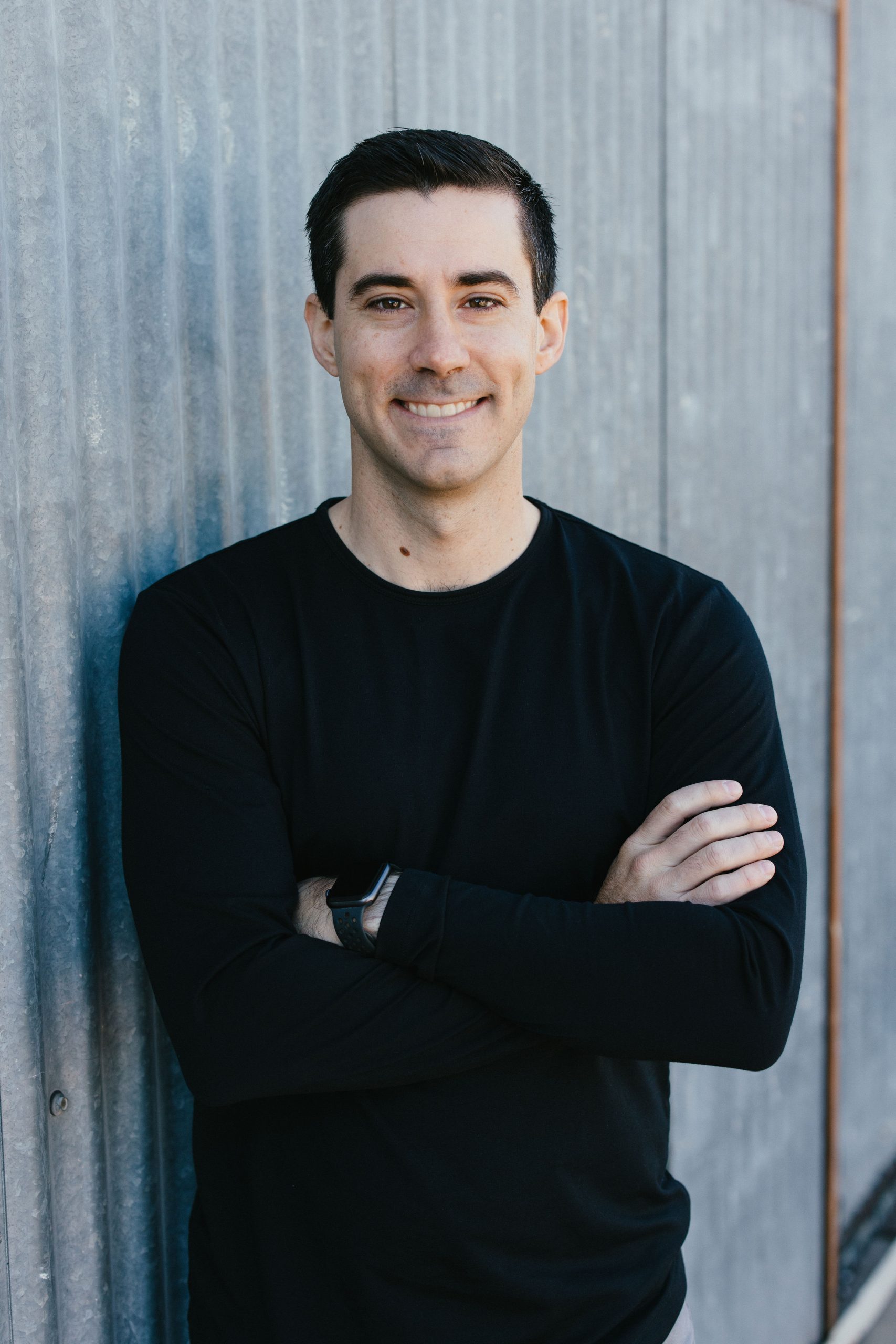 John Mitman is the founder and CEO of Obodo Energy Partners, a leading provider of large-scale solar and energy infrastructure solutions headquartered in Tempe, and board president of AriSEIA, a trade organization representing solar, storage and electrification interests in Arizona.
 Tariffs and Dentistry: How Policy Volatility Ripples through an Entire Industry
from Matt Ellingson, CEO of Swiss Biologic Dentistry
Tariffs can be useful when foreign governments subsidize products to undercut U.S. industries. In those cases, they can restore fair market conditions. However, what we’re seeing now looks far less like a targeted economic strategy.
Today’s tariff environment is unpredictable, inconsistent and increasingly disconnected from any clear economic rationale. As a business owner, I can’t point to a single product and confidently state what tariff rate applies in any given week. And, because we’re not the importer, we often never see the tariff cost itself, only the downstream price increases. This uncertainty affects everyone in the chain, from importer to vendor to end consumer. As a result, tariffs shape both how we procure supplies and how we manage costs for patients.
Swiss Biologic Dentistry is a dental practice focused on ceramic implants and advanced restorative care, and a good portion of the materials and equipment we rely on are manufactured overseas, especially in Switzerland. While we prefer to buy American-made products, some dental components are only made internationally, leaving us with no alternative. Every FDA-approved ceramic dental implant system available is manufactured in Switzerland, and each has seen double-digit cost increases over the past year as tariff volatility and global supply-chain pressures ripple through the market.
Now, a recent memorandum of understanding (www.bbc.com) between the U.S. and Switzerland states that tariffs on Swiss goods would drop from 39% to 15%, but the deal is nonbinding and we will still be eating 15% price increases for no reason at all. And, given that tariff policy has shifted overnight in response to something as irrelevant as political ads from Canada, it’s difficult to count on any promised relief at all.
Even American-made products are becoming more expensive. Domestic manufacturers depend on overseas machinery and specialty parts, and increased costs there get rolled into their goods. The result: Nearly every category of supply we use, from clinical materials to basic office essentials, has inched upward month after month.
For consumers, tariffs function as a straight consumption tax. Increased costs get passed down until they ultimately land on the patient. We’ve limited price increases here because dental care is already expensive, but the pressure is constant.
While most of our supplies have remained available, we’ve experienced disruptions in key components. One American company that produced the carbon-fiber screw used in our implants stopped manufacturing it. I cannot say definitively that tariffs were the cause but, because that screw would have been sold to the Swiss company that manufactures our system, retaliatory tariffs would have substantially increased its cost.
We haven’t lost patients due to supply issues, but we have noticed a slowdown. Global tariff pressures reduce consumer buying power across the board. Dentistry tends to be more resilient than many industries, but even that resilience has limits.
In the end, tariffs don’t punish producing countries. They punish the people who buy the goods — businesses, patients and households already feeling economic strain. If there is a strategic purpose behind the current tariff landscape, those of us in the dental industry are still waiting to see it.
 Matt Ellingson is the CEO of Swiss Biologic Dentistry, where he champions a biologic and minimally invasive approach to oral health. Under his leadership, the practice is known for innovative, patient-first care and its commitment to safe, science-backed dentistry.
 Grocers Feel the Tariffs on Food – and on Getting That Food on the Shelves
from Lisa Bednar, President of Arizona Food Marketing Alliance
The Arizona Food Marketing Alliance is a state trade nonprofit association for the retail food industry in Arizona. We represent food retailers (supermarkets, convenience stores and independents) and their suppliers in all areas that are impacted by state and federal legislatures.
Tariffs act like a tax on imports, so the landed cost of affected items (and in many cases the packaging or equipment used to sell them) raises the costs for imported foods and packaging, which creates tighter margins in an already extremely lean margin industry. This ultimately can cause increases in prices and changes in what products are available for consumers. The impact shows up fastest in import-heavy categories like produce, seafood, coffee, and packaged goods, and is especially challenging for companies that are already operating on thin margins.
Tariffs also add planning risk by making supply costs volatile and disrupting established global supply networks. When tariffs hit inputs like steel and aluminum, stores can see indirect impacts through higher prices for canned goods and store equipment, not just the food itself.
Beyond direct product costs, tariffs can influence transportation and refrigeration expenses by affecting the cost and availability of parts and equipment needed to maintain supply chain operations. These shifts impact how products are distributed, stored and kept safe for customer consumption — all critical to efficient retail operations and overall cost control.
Budgeting for groceries becomes harder for customers when tariff news leads to sudden price moves in staples like coffee, canned goods or key produce items. As imported items become more expensive, consumer demand often shifts toward domestic and private-label alternatives that can be priced more competitively. While Arizona has seen limited interruptions to our supply chain, on-again, off-again tariffs disrupt planning, amplifying the likelihood of supply gaps as trade becomes less predictable.
Our retail partners work diligently to ensure Arizona communities have access to the products they require and have adjusted pricing strategies as quickly as possible with targeted discounts, enhanced loyalty offers and promotional pricing focused on customer needs. All of which have a heavy cost for the industry. As always, our customers remain our top priority, and we remain committed to providing the products they rely on every time they shop with us.
 Lisa Bednar is president of Arizona Food Marketing Alliance. Bringing her 20 years of experience at Hensley Beverage Company, Bednar has been in leadership positions at AFMA since 2022 and is the first female president in the organization’s 81-year history.
Key Is Staying on Top of Changing Trade Conditions
from Steve Sanghi, CEO of Microchip Technology
It’s really too soon to comment on the full impact of tariffs as trade conditions continue to shift. Certainly, tariffs can present challenges by affecting the cost and availability of supplies and consumer confidence, and we are closely monitoring the evolving landscape. Microchip remains committed to minimizing the potential impact of tariffs through strategic inventory management, flexible global operations and open communication with customers. By proactively adapting to changing trade conditions, we are working to maintain reliable product availability and competitive pricing as much as possible so that our customers can continue to innovate and succeed in their markets.
 Steve Sanghi, CEO of Microchip Technology, has been a leader of Microchip for more than 30 years.
 The Ripple Effects of Tariffs Challenge Collaboration and Ingenuity
from Wendy Cohen, President & CEO of Kitchell Corporation
At Kitchell, we build, develop and manage projects across diverse sectors — from healthcare and higher education to municipal and mission-critical infrastructure. Every project we deliver depends on a complex global supply chain, with materials sourced from around the world. When tariffs are imposed on key construction materials, the effects ripple through that network — influencing costs, availability and delivery schedules. These shifts ultimately determine how far our clients’ budgets can go and how efficiently we can deliver.
As a Purchaser
Tariffs on commodities such as steel, aluminum, copper and manufactured components have introduced cost volatility across nearly every category of construction materials. When tariffs are levied, prices often rise sharply — not only because of the direct cost of the tariff, but because of secondary effects like constrained supply and speculative purchasing. Lead times for critical materials, from structural steel to light fixtures, can lengthen by weeks or even months.
At Kitchell, we’ve responded by adopting proactive procurement strategies. We lock in pricing earlier in the project cycle whenever possible, allowing us to hedge against potential cost increases. Our preconstruction teams continually broaden and diversify supplier networks, seeking alternatives that maintain both quality and schedule. Collaboration with trade partners has become even more essential — working together to anticipate market changes, share forecasts and identify substitutions that align with design intent. This foresight not only minimizes disruption but also supports a more resilient supply chain.
As a Vendor
From the contractor’s perspective, tariffs introduce another layer of challenge within an already tight cost structure. In a fixed-price contracting environment, there’s a limit to what can be absorbed before those increases must be shared with clients. This dynamic demands creativity, open communication and trust between all project stakeholders.
We work hand in hand with owners, architects and engineers to identify solutions that maintain value without sacrificing performance. Sometimes that means exploring alternate materials or finishes. Other times, we adjust sequencing to delay certain purchases until market conditions stabilize. On occasion, we revisit design details to achieve similar outcomes with more readily available products. While these measures help manage cost exposure, the broader truth remains: Tariffs reduce purchasing power, meaning a client’s dollar doesn’t reach as far today as it once did.
Building Resilience through Collaboration
These challenges underscore the importance of early collaboration, transparency and agility — values that are core to how Kitchell operates. Tariffs serve as a reminder that global policy decisions have very real, local consequences. They influence what we build, how we build it and when we can deliver it.
By fostering strong relationships with our clients, design partners and trade allies, we can adapt more effectively to these external pressures. Through strategic planning, thoughtful communication and continuous learning, we help ensure that even amid uncertainty, our projects move forward with purpose and precision. The ripple effect of tariffs may be global, but our response — grounded in collaboration and ingenuity — is distinctly Kitchell.
 As president and CEO, Wendy Cohen leads the Kitchell Corporation, the holding enterprise of four independent operating companies: Kitchell Contractors Inc., Kitchell CEM, Kitchell Development Company and American Refrigeration Supplies. With nearly 30 years in the building industry, Cohen has worked in many aspects of the construction business: as a general contractor, construction manager, consultant and owner.
 From Tariff to Table: Strains Felt in Restaurant Service and Concept Development
from Christopher Collins, Owner of Common Ground Culinary
Tariffs have had a significant and increasingly overwhelming presence in our day-to-day operations, affecting everything from costs of goods to our menu pricing all the way up to how we invest in future concepts and equipment. One of the most direct effects of tariffs is the higher food costs, which is something we have been battling since 2020. Many of our ingredients, such as cheeses, olives, oils, seafood, spices, pork and produce, are imported into the U.S. and have all taken a price increase over what were already inflated prices before 2025. I have reached a breaking point with our loyal customers to where I can no longer pass along these costs directly to the consumer and realize in real time our already thin profit margins are shrinking.
There has been a ripple effect on my customer purchasing trends: As dining out becomes more and more expensive, I have noticed guests dining out less often and changing their ordering habits. To manage these challenges, we have had to adapt and implement programs to attract price-conscious guests back into the restaurants by focusing on slower shifts and providing new value-driven options. At several locations, we now offer all-night happy hour, half off bottles of wine, kids eat free and food/drink features on certain days throughout the week to help offset slower foot traffic.
As we build our next concept, Cowboy Seafood, I have become acutely aware of the effects of tariffs on materials like steel, aluminum and electronic components that have increased my costs to build and acquire cooking equipment. I’ve had to make sacrifices on design and materials to help keep my project within a manageable budget — while passing on new opportunities because the cost of entry is too high and the hope for profits too low. I have also come to realize it is not just those items made abroad but domestic brands have increased pricing as well, so now I am left with few choices to help offset other costs.
Overall, tariffs are amplifying cost pressure across nearly every front of our business, and managing this new and ever-changing landscape is my greatest challenge. I’m constantly trying to think outside the box with creativity and speed, but at the end of the day if pricing continues to strain our ability to run a successful business, then eventually our guests will be the ones to bear the burden. In the meantime, I’m steadfast in holding my prices as steady as possible and firmly believe if we do what is right for our guests now, then we will win the devotedness of our neighbors that will continue to support us for generations to come — all while patiently being optimistic that costs will temper and pricing across the board will stabilize.
 Christopher Collins is a fourth-generation restaurateur and the founder and operator of Common Ground Culinary, whose current nine concepts include Collins Brothers Public House and The Macintosh. After graduating with honors from Boston University with a degree in hospitality management, Collins honed his craft working as both an executive chef and general manager for top restaurant brands nationwide.
 Construction Company Combats Uncertainty by Building Flexibility into Every Phase of Project Delivery
from Fred Bueler, Teammate Owner & Vice President of CHASSE Building Team
Tariffs continue to be a major point of discussion across the construction industry and, in a fast-growing state like Arizona, they shape how projects are priced, procured and delivered. As both a consumer of construction materials through our projects and a vendor serving clients, CHASSE is watching these developments closely and responding with proactive strategies to minimize disruptions and maintain project stability.
Stable Procurement but Higher Costs
CHASSE has not experienced significant disruptions in material procurement, which marks a major shift from the challenges of 2020–2024 when global shutdowns led to widespread delays and shortages. Supply chains today have proven to be far more reliable; however, we continue to monitor availability, pricing and lead times in anticipation of any potential volatility.
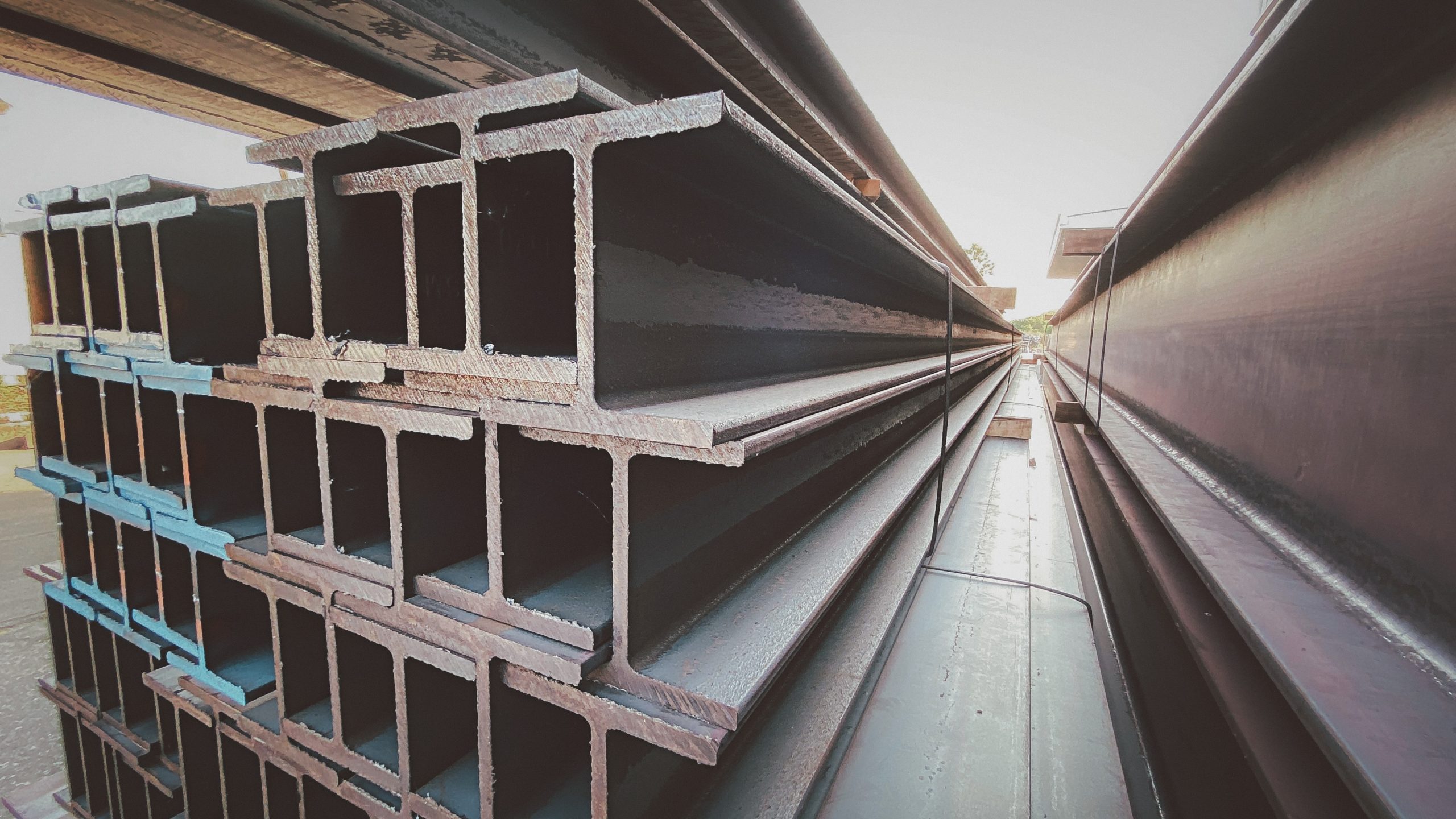
Where the industry is feeling some impact is in the costs. Construction relies heavily on materials such as steel, aluminum, copper, mechanical equipment, electrical components and roofing systems. Many of these are imported or sourced through global supply chains. When tariffs rise, the cost of these materials increases accordingly. Even a modest change in steel or electrical-equipment tariffs can create meaningful cost shifts across a $100-million project.
Industry reports project material costs to go up between 8.5% and 9.5% due to tariffs, while ultimately impacting the total project costs by 4% to 5%. While these are projections, the Associated General Contractors of Arizona reported in June a 2.3% year-over-year increase in non-residential material costs and services, driven in part by tariff pressures. Through that timeframe, not all tariffs had been set in place.
Availability Concerns, Yet Manageable
While we are not seeing material shortages like those experienced from 2020 through 2024, tariffs still carry the potential to tighten supply, lengthen production timelines or reduce inventory levels. On complex construction projects, even one delayed component can disrupt sequences and impact multiple trades.
Fortunately, the industry is much more prepared today. Lessons from the pandemic strengthened procurement strategies, broadened supplier networks and improved forecasting. Any future availability challenges tied to tariffs are expected to be far more manageable than the disruptions experienced during the COVID-19 pandemic.
Vendor Perspective: Pricing, Risk and Client Relationships
When suppliers pass tariff-driven cost increases down the chain, contractors must work with owners to determine how these impacts will be absorbed or whether design or scope adjustments are needed. This requires strong collaboration between all parties and clear communication. Updated pricing through continuous estimating, early risk identification and value engineering all help the project teams navigate these potential changes. These are the same methods we all heavily relied on over the past five years to navigate a market of volatility, hyperinflation and supply chain disruptions.
While tariffs add some cost pressure, many owners may not yet be feeling the full impact. With some markets cooling, trade partners have become more competitive, bid participation has increased significantly and subcontractors are eager to fill their backlogs. This increased competitiveness is offsetting some tariff-related cost escalation, easing budget pressures even in uncertain times.
The Bottom Line: Tariffs Create Uncertainty, Not Instability
Tariffs introduce uncertainty, but they are not causing instability in our operations. They influence how we buy, how we plan and how we communicate. At CHASSE, success in this environment means staying informed, remaining agile, collaborating closely with partners and building flexibility into every phase of project delivery.
Arizona’s construction industry remains resilient. With proactive procurement, strong supplier relationships and transparent communication, CHASSE is well-positioned to continue delivering projects efficiently and responsibly, regardless of how global trade dynamics evolve.
 Fred Bueler earned his Bachelor of Science in civil engineering at Arizona State University, and has been with employee-owned CHASSE Building Team since 2008.
 Absorbing Costs Despite Procurement Challenges
from Tim Vasquez, Owner & President of Someburros
At Someburros, we’ve always believed that authentic, family-inspired Mexican food should be accessible to the communities we serve. Our recipes come directly from my Nana’s kitchen and, for nearly 40 years, we’ve centered our business around scratch-made dishes, fresh ingredients and genuine hospitality. As a family-owned restaurant group with 17 locations across Arizona, we feel a deep responsibility to uphold that standard for every guest who walks through our doors.
Because of this, we’ve approached the impact of tariffs with a very clear priority: Protect the guest experience first.
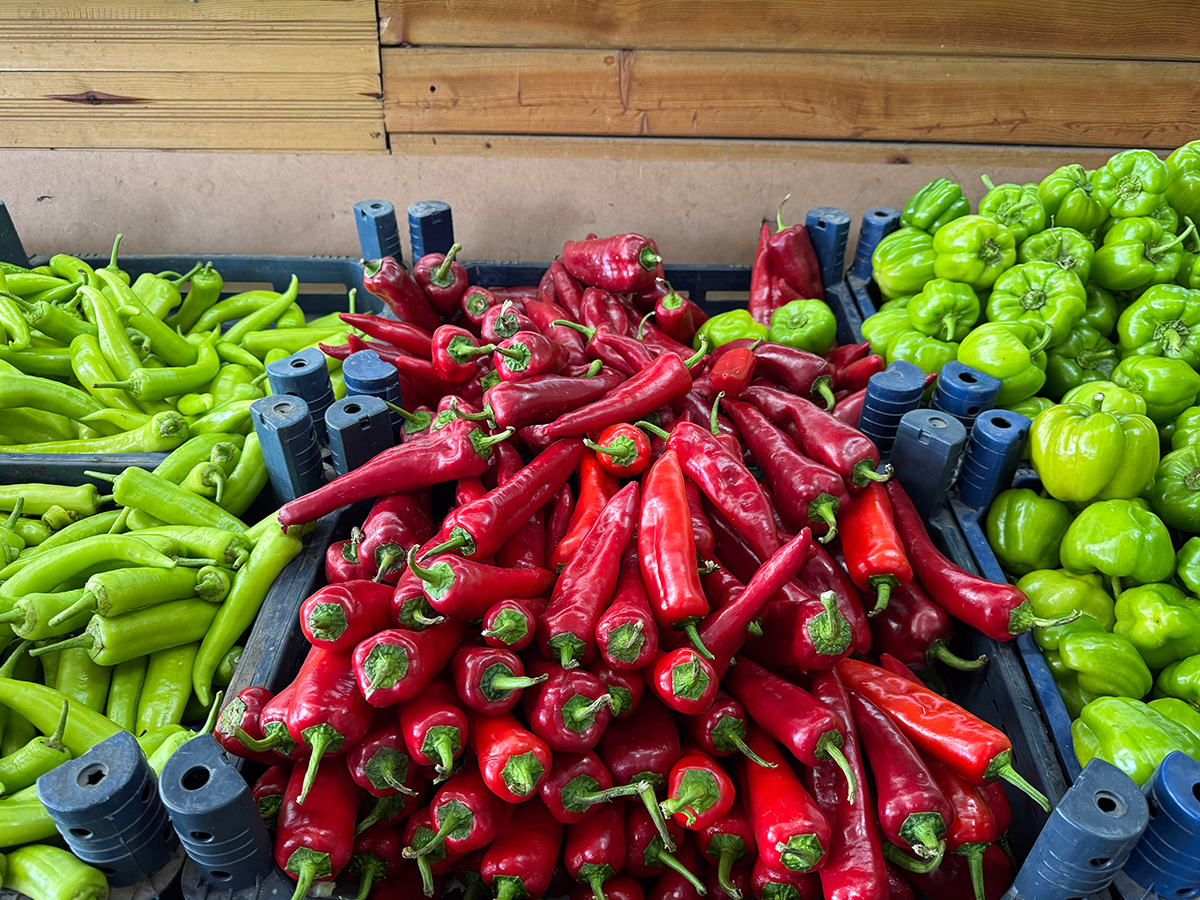
From a procurement standpoint, tariffs undeniably create challenges. We rely on consistent access to high-quality ingredients, from produce to proteins to key imported items that contribute to the traditional flavors our guests expect. Tariff-driven cost fluctuations make long-term planning more difficult, and at times have strained our supply chain with longer lead times or limited availability. As a company that prides itself on authenticity, “swapping out” ingredients or altering recipes to save on cost has never been an option we’d even consider. Our food is part of our identity. Compromising on quality or tradition would compromise who we are.
Instead, we’ve put significant effort into finding efficiencies elsewhere: strengthening relationships with local vendors when possible, improving internal systems and sharpening our forecasting to better navigate periods of volatility. These adjustments require time, creativity and ongoing commitment from our team, but they allow us to preserve the recipes and flavors our guests know and love.
From the business and pricing perspective, we’ve made a conscious choice to not pass tariff-related increases directly to our customers. Many businesses are struggling with rising costs, and price increases have become a common response. But our guests are the reason we continue to grow. They are families, students, teachers and local workers who choose Someburros because it feels like home. We’re mindful that any price changes affect the communities we serve, so we approach those decisions with the values that have shaped our brand since day one.
We recognize the financial pressure tariffs place on the restaurant industry, and it would be easy, even logical, to adjust our menu prices accordingly. For now, we have chosen a different path. We are absorbing these costs with the belief that maintaining affordability will strengthen long-term loyalty and help us continue expanding responsibly. Market share is earned through consistency, trust and community connection, and we believe the short-term challenges are worth the long-term benefit of being a brand our guests can rely on.
At Someburros, our guiding principle has always been to serve great food, take care of people and honor the community that has supported us for decades. Navigating tariffs is just one more opportunity to stay true to that mission, and to ensure that our growth never comes at the expense of the guests who made it possible.
 Tim Vasquez is the owner and third-generation restaurateur of Someburros.
 Tariffs Is One Element in a Complex Web of Decisions for Food Manufacturer
from Aaron Henderson, Board Member & CEO of Wisdom Natural Brands
Wisdom Natural Brands (makers of SweetLeaf Stevia) is a more than 40-year-old, family-owned business that helped pioneer stevia in the United States. WNB sources raw materials both domestically and internationally, including packaging components, across a portfolio of more than 90 SKUs. Our supply chain along with sales across channels like direct-to-consumer, retail, ingredient sales and international branded business creates a complex web of decisions. Add in that WNB acquired the Canadian honey company Drizzle in late 2024, which has added to the complexity.
However, we chose to look at tariffs differently and use them as an opportunity to evaluate a 40-year-old business through a different lens. We sat down and said first, the consumer is most important. We have loyal consumers but we must never take that for granted. What can get lost in the very loud tariff discussion is that inflation had been running rampant leading up to tariffs and this double hit impacting consumers did not give them many places to turn for relief. We committed to not raising pricing unless we absolutely had to. So far, we have not raised prices through 2025.
Once we established that mindset, we set out to renegotiate every one of our dozens of supplier and co-manufacturer agreements. We empowered our internal supply chain team to solve problems. It became a bit of a game among the team on how fast and how dramatically they could navigate this. This involved raw material costs, ordering patterns, production lead times, how we view inventory in a dramatically changing landscape, payment terms … on down the line. There was nothing we did not look at or evaluate. Many times along this path, we were offered what I viewed as raw materials that were not up to our expectations. We declined every single time. If anything, we pushed to find better suppliers and superior raw materials. The mantra of “consumer first” guides everything we are trying to do.
One of the biggest challenges we faced was on a particular organic raw material ingredient we use in a handful of products. Due to a combination of tariffs and unrelated government regulations designed to support a particular U.S. business, we saw this ingredient cost rise more than 300% almost overnight. We had large retailer partners like Walmart and Whole Foods Market reach out inquiring how we planned to handle this and if they could count on us. Those are some tough conversations when the unknown is great. But we gave the only answer we could: “We have a commitment to our consumers and will figure it out.” We approached parallel paths to solve this. The first was to develop similar products using a completely different ingredient that is cutting edge but we think could be a strong value for the consumer in the future. We have this developed just in case. The second was to scour the globe for our existing organic ingredient. We had six months of inventory but, because it may take three months or more to get the raw material, we knew timing was tight. Finally, on a trip that one of my supply chain managers and I took, we sat with a long-time supplier of ours. He had never supplied us this organic ingredient before but agreed to use his contacts to see what he could find. Within a week, he found 100 metric tons (roughly, another year’s worth of inventory) for us at our existing cost. Sometimes, business is not about solving every problem forever but, instead, solving it to allow the dust to settle on the current challenge.
Once we felt secure in this supply chain process, we realized that we needed to fully commit to speaking to our consumers differently, with tariffs being just one catalyst for that. You see, COVID-19 really started this five-year time period of drastic change in the world, particularly in the United States. Consumers have changed how they eat out, how they spend money, where they place value, how health is viewed and even where they place their trust. We are in the midst of a complete overhaul of our branding, packaging and consumer engagement. We brought on a talented VP of Marketing to lead these efforts and have already had a record Black Friday / Cyber Monday sales period. We expect 2026 to be a year of exciting evolution for our brand.
Business is never easy and tariffs will not be the last challenge we or others face. However, what a wonderful opportunity to work with a talented team that provides products that help consumers live a better life.
 Aaron Henderson, Wisdom Natural Brands board member and CEO as of May 2025, has a long background in the consumer products space spanning more than 20 years. He is the first non-family member to run the business day to day — which happened to coincide with the largest tariff increase in roughly a century.