 Esplanade Place
Phoenix is growing up, way up. With cranes dotting the skyline from Tempe to Scottsdale to Phoenix and beyond, we are no longer a big city that feels like a small town. Rather, Phoenix Metro is now home to multiple urban cores offering a true live, work, play lifestyle. How have cities across the Valley realized these vibrant hubs of continued activity and why does it matter to Arizona’s continued economic growth?



Going back to the 1970s, Phoenix envisioned an opportunity corridor from Downtown to Camelback Road where developers could build as high as they wanted. City leaders at the time believed Phoenix would grow so rapidly that this area would be filled with high-rise buildings from 7th Avenue to 7th Street. Unfortunately, their exuberance led to a downtown that lacked the density to develop into anything beyond a business district. This led to the slow loss of residents and the retail needed for a vibrant downtown.
Then came a new crop of leaders, from Terry Goddard and Paul Johnson in Phoenix to Sam Campana in Scottsdale and Hugh Hallman in Tempe, who started to work with community stakeholders to envision how to create unique downtowns. Tempe leaned into Mill Avenue and its University vibe, while going all in on what would become Tempe Town Lake. Scottsdale shook off its “The West’s Most Western Town” mantra and became a sophisticated shopping, dining and entertainment hub. Phoenix led the way on sports and performing arts to now host more than six million people a year at Downtown events.
None of which happened in a vacuum. Residents longed for places that felt vibrant and engaging but feared being in a ghost town after dark. Then ASU and UA brought campuses to Downtown Phoenix. That, coupled with Creighton, Phoenix City College and others, swelled the student population in and around Downtown to more than 20,000 — allowing others to feel like Downtown was a viable option for them to live in. Phoenix became the case study showing all residents did not, in fact, want a single-family home with a yard. They wanted action. They wanted low maintenance. And, most importantly, they wanted the city to be their backyard.
Other cities followed suit, with tens of thousands of apartments built over the last decade, swelling the ranks of residents everywhere, from Scottsdale Airpark, Main Street in Mesa, Downtown Chandler to The Heritage District in Gilbert, Litchfield Park and more. That demand has now brought condominium builders back to the table, allowing owners to once again buy in urban areas — which only adds to the vibrancy of these cores.
Most important of all this is the fact these areas bring together a multitude of earners, opinions and thoughts. This, in turn, attracts a diverse range of companies and startups, allowing larger companies to desire Arizona as a hub. In fact, according to CBRE, Phoenix ranked fourth in corporate headquarter relocation over the last eight years, allowing all Arizonans more opportunity while diversifying our economy away from one or two industries.
This kind of growth requires commitment not just from developers and city leaders but also from our legislature and governor. It requires policies that allow cities to grow with certainty and a university system that is provided for in a way that will attract great students who will stay in Arizona and offer employers the kinds of professionals they need in a global economy.
Urbanization will continue to evolve in the Valley of the Sun as people desire a more convenient lifestyle that allows them to live their unique vision of city life. But the fact is, the future is bright and will continue to be as our cities grow up and not just out.
Pioneers of Phoenix Urbanization
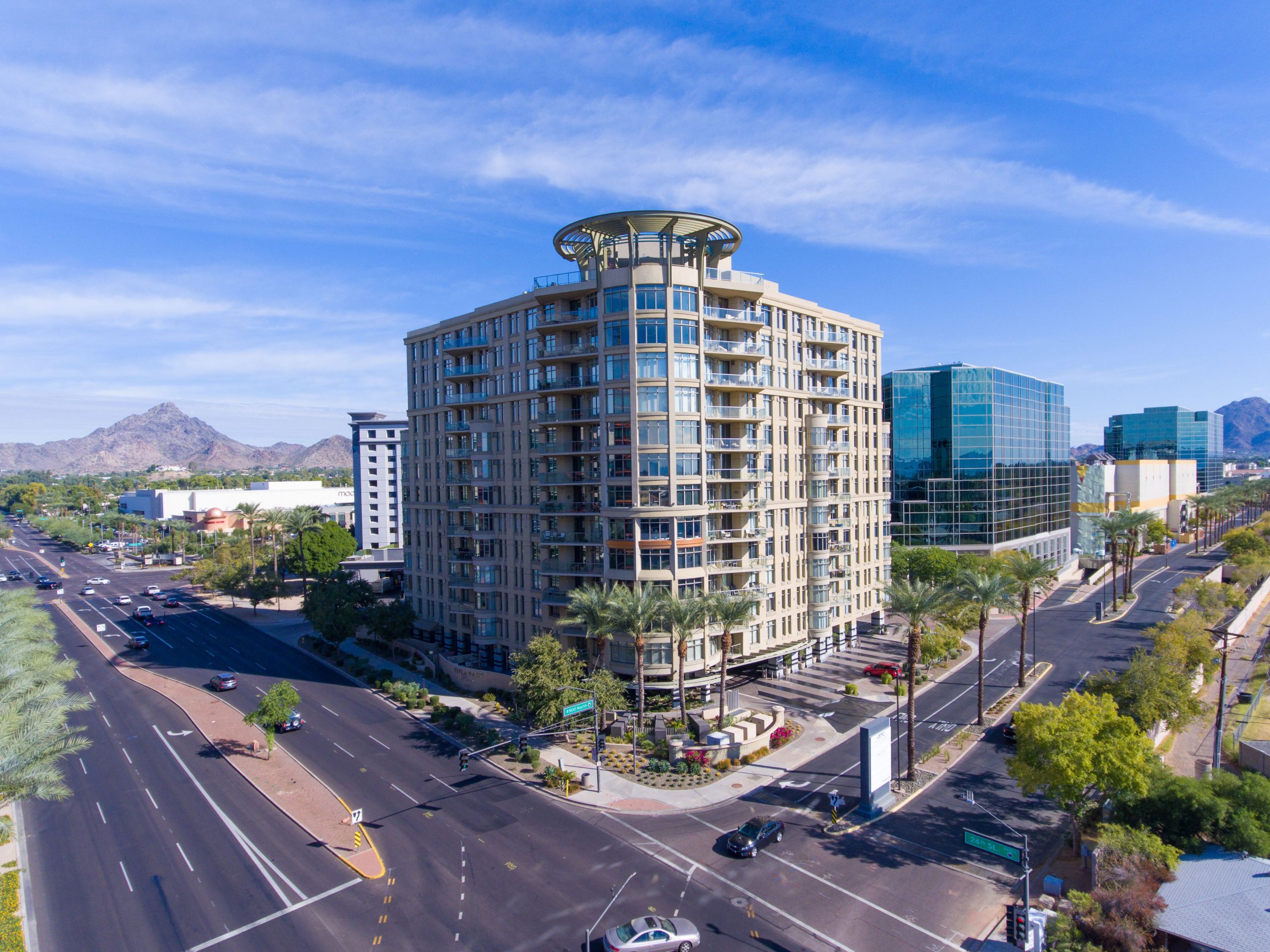
Esplanade Place (pictured above): Built in 2002, Esplanade Place was the first successful luxury high-rise building in Arizona. It became the standard and paved the way forward for all luxury buildings since. This building was proof Arizona was ready for luxury urban living.
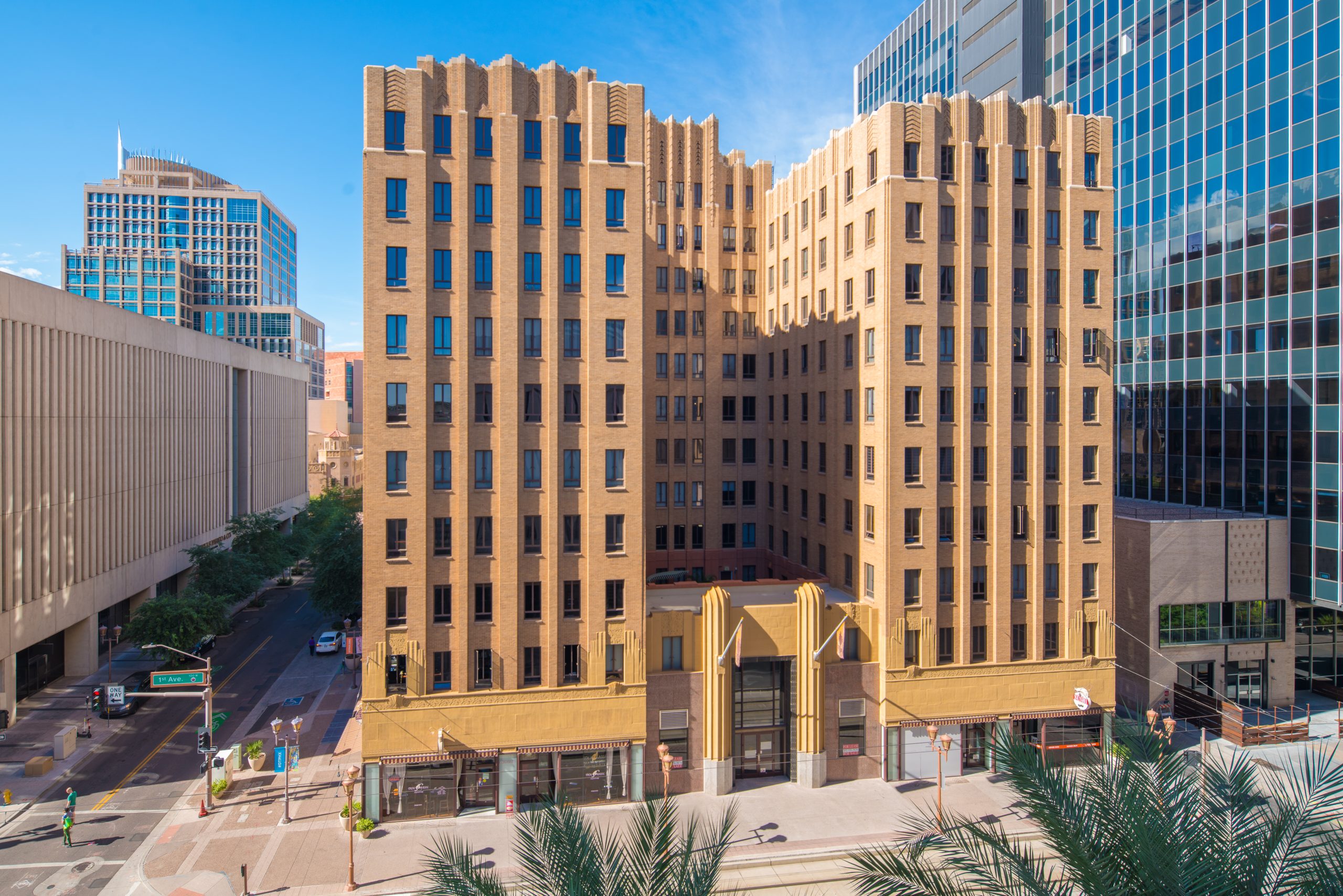 Orpheum Lofts
Orpheum Lofts: A successful conversion of an Art Deco building in the heart of Downtown Phoenix, Orpheum Lofts welcomed its first residents in 2005. This was the first successful residential building in Downtown in more than a generation.
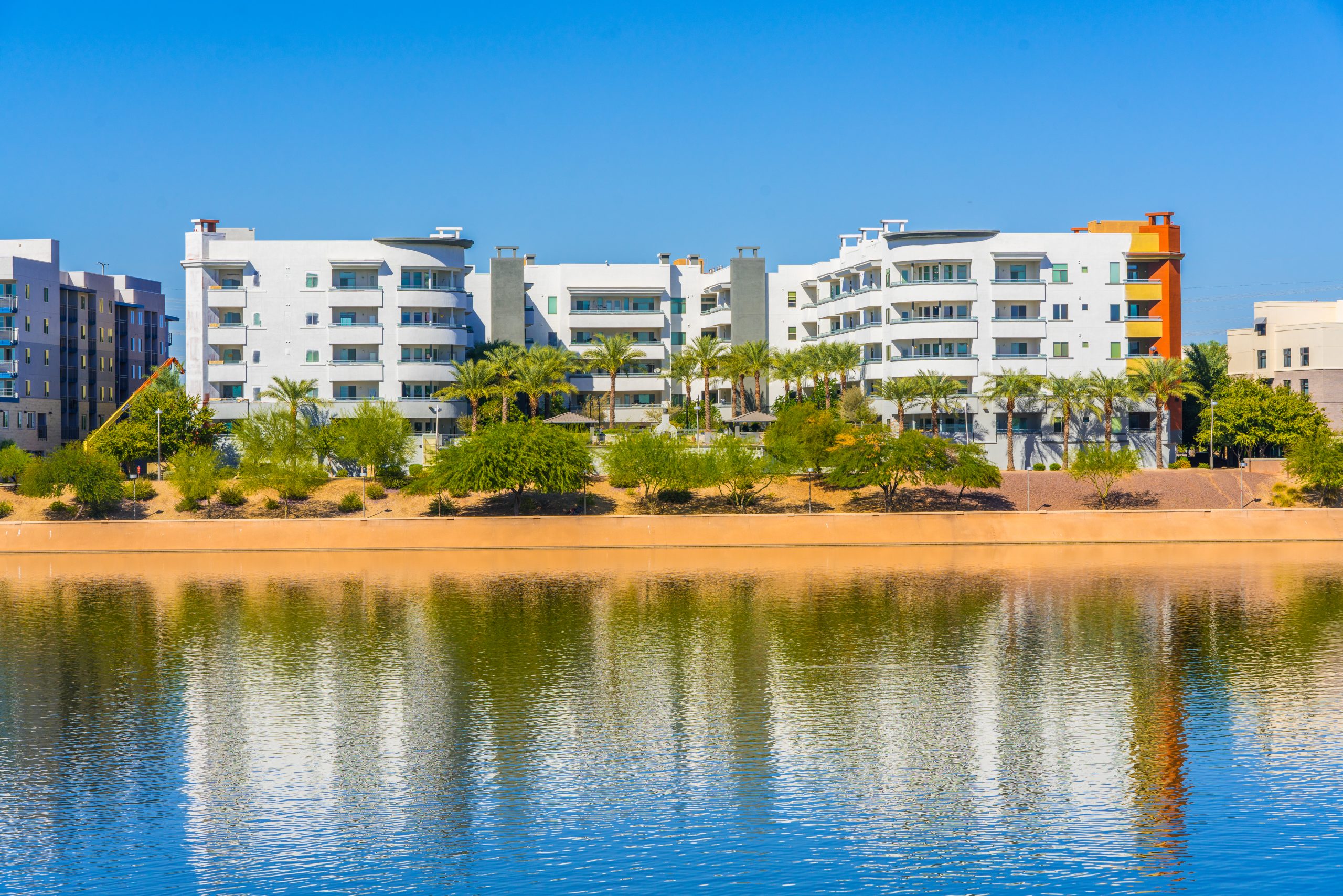 Northshore Tempe
Northshore Tempe: This condominium project at Tempe Town Lake, completed in 2008, helped start the boom around the lake and bring condos to Downtown Tempe.
Cambridge Properties did the initial sales and marketing for these buildings when they originally came to market.
 Cory Mishkin is a licensed real estate agent and part owner of Cambridge Properties in Phoenix.
Photos courtesy of Cambridge Properties