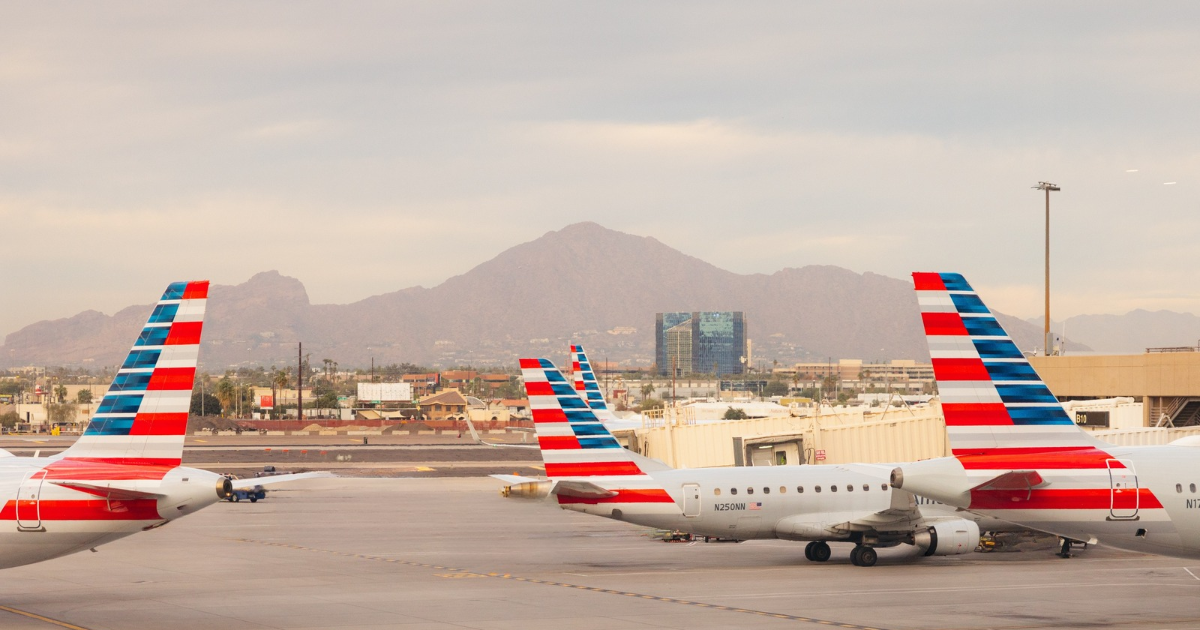
American Airlines plans to expand and refresh all three Admirals Club lounges at Phoenix Sky Harbor International Airport, including nearly tripling the combined footprint of its two Concourse A locations. The investment will add seating, improve food and beverage offerings and update interiors at the airline’s Phoenix hub.




The improvements will take place in phases. Near-term work at the Concourse A lounge between gates A19 and A21 includes a new food service area, infrastructure upgrades to support expanded dining options and other facility improvements. Longer-term expansion of both Concourse A lounges will increase their combined seating capacity by approximately 150%, with refreshed furnishings and finishes.
The Concourse B lounge between gates B5 and B7 will receive a new self-service food and beverage area, a 20% increase in seating capacity, updated interiors and improved operational support spaces.
“Phoenix continues to be an important hub in our network,” said Heather Garboden, American’s chief customer officer.
The airline did not disclose a project budget or completion dates for the lounge expansions. American Airlines Newsroom
The upgrades build on American’s longer-term commitment to Phoenix, where it has been selected as the primary carrier for Sky Harbor’s future West Terminal. American carries more than 20 million passengers through the airport annually, accounts for more than 40% of its passenger traffic and employs approximately 8,000 people across Arizona.
The planned terminal will support additional domestic and international service and accommodate more wide-body aircraft. Construction could begin in late 2029, with a potential opening in late 2033. It would be Sky Harbor’s first newly constructed terminal since Terminal 4 opened in 1990.
Sky Harbor is also investing hundreds of millions of dollars in Terminal 4 improvements, including concessions, baggage handling, moving walkways, plumbing, electrical systems and central plant infrastructure. The future West Terminal will be funded through passenger facility charges, bonds and airport funding, with no local tax dollars used.