Every May, Mental Health Awareness Month brings an important conversation back into focus. Businesses post statistics, share supportive messaging and encourage people to prioritize wellbeing. The bigger question is what happens next: what does meaningful action actually look like?


The expectation is shifting from acknowledging community challenges to participating in solving them. Across Arizona, businesses are realizing community impact isn’t seasonal. Employees, consumers and future hires are paying closer attention to how companies show up outside their products and services. Long-term, nonprofit partnerships are becoming less about corporate philanthropy alone and more about workforce engagement, brand trust and business strategy.
Why Community Investment Has Become a Business Issue
Consumer behavior has shifted and the data shows it. According to research from Givsly, 88% of consumers are more likely to support brands that align with their values. In Arizona, this means the right nonprofit partnership isn’t just a headline; it’s increasingly tied to trust and repeat business, especially as consumers notice where companies invest and whether they show up consistently.
At the same time, younger generations entering the workforce are placing greater emphasis on purpose-driven employers. Deloitte research found that from 2023 to 2026, roughly 40% of Gen Z and Millennial respondents reported rejecting an assignment, project or potential employer based on personal ethics or beliefs. For employers in competitive markets like Phoenix, this creates a clear reality: candidates can and do opt out of roles that don’t match their own values. Organizations that understand this shift are treating community partnerships as long-term investments rather than one-time sponsorships.
The Difference Between Visibility and Impact
A single donation can raise visibility but consistent involvement builds credibility. The partnerships that resonate most with employees and consumers are the ones built over time, where companies actively support an organization’s work, amplify its mission and stay engaged beyond a single campaign or event.
One example is the Valley Toyota Dealers’ long-standing partnership with Teen Lifeline, which began in 2021 in response to growing concerns around youth mental health following the pandemic. Since then, Valley Toyota Dealers has provided annual financial support, including a $20,000 contribution this year, to help sustain Teen Lifeline’s life skills development and suicide prevention programs. Their support helps train teens across Arizona to serve as peer counselors on the organization’s crisis hotline. A sustained partnership helps connect businesses directly to issues affecting the communities where employees and customers live. They also create opportunities for companies to contribute more than funding alone through awareness, volunteering and community education.
Employees Want Purpose, Not Just Pay
There is also a clear internal advantage that companies should not overlook: Employees who feel connected to a larger purpose often feel more connected to their workplace. A Gallup study consistently shows that purpose-driven cultures contribute to higher retention and better engagement. Employees want to feel their ongoing work contributes to something meaningful, especially younger professionals entering leadership pipelines.
Community involvement also creates opportunities for stronger team relationships. Volunteer activities and shared initiatives bring employees together in ways traditional workplace environments often don’t. For businesses struggling with burnout, disengagement or retention challenges, community investment can become part of the solution rather than a separate initiative.
Arizona Businesses Are Positioned to Lead
Arizona’s business community has always operated with a strong sense of local connection. Beyond Valley Toyota Dealers, many companies here are deeply tied to the neighborhoods, schools and families they serve every day. That creates an opportunity for businesses to take a more active role in addressing local challenges, whether around mental health, education, housing, workforce development or family services.
The good news is leaders don’t need to build these efforts from scratch. Arizona nonprofits are already doing critical work across the Valley and actively looking for long-term corporate partners willing to engage consistently and authentically. Mental Health Awareness Month may put these conversations into the spotlight each May, but the businesses creating lasting impact are the ones continuing the work long after the awareness campaigns end.
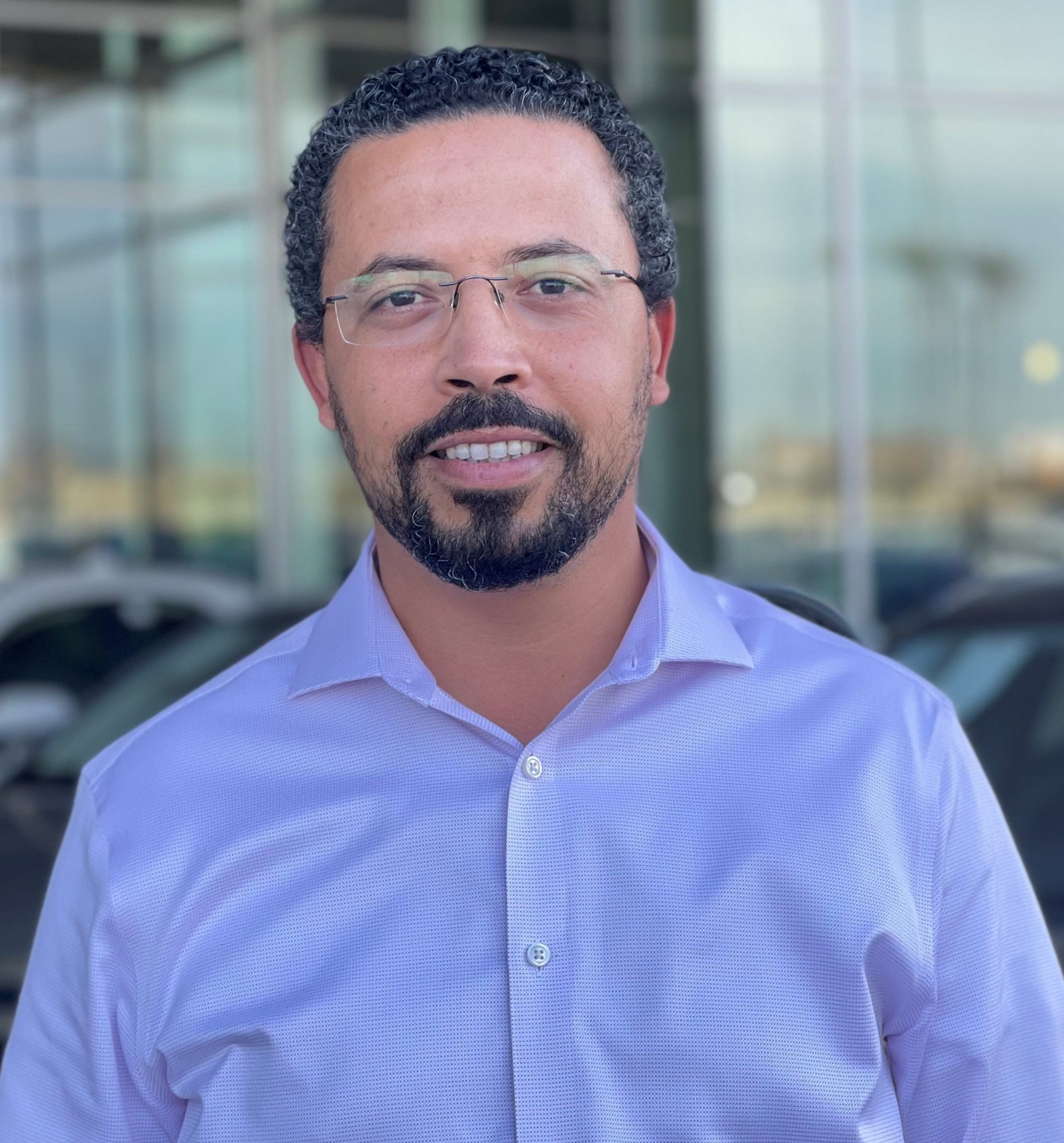 Kamal Charef serves as president of the Valley Toyota Dealers Association, a group of 10 Toyota dealerships across metropolitan Phoenix. The Association is committed to strengthening Arizona communities through sustained nonprofit partnerships and initiatives that support more than 40 local organizations.