Affordability is today’s trending topic, and where it intersects with healthcare, it becomes a concern employers are addressing for their employees.
Affordability and access are not new challenges in healthcare, but they are becoming more visible and more urgent for employers and employees alike. For many organizations, healthcare costs are now one of the fastest-growing line items, while employees are feeling the impact through higher premiums, increasing deductibles and, unfortunately, decisions to delay seeking care.






At the same time, access remains uneven. Workforce shortages, growing demand for behavioral health services and population growth in regions like Arizona are putting additional strain on an already complex system. In many communities, the issue is not just cost, but whether care is available when and where it is needed. Valleywise Health has made significant strides with a growing network of community health centers, but even in one of the largest metro areas in the U.S., gaps remain.
The industry is responding in a number of ways: expanding outpatient and community-based care, investing in prevention and exploring new care models that better align cost with outcomes. There is also a growing recognition that healthcare does not operate in isolation. Factors like housing, transportation and food security play a meaningful role in both access and long-term affordability.
For employers, this moment presents both a challenge and an opportunity: to think more holistically about health, benefits and the systems that support their workforce.
With healthcare recognized as a focus of employee recruitment and retention efforts, In Business Magazine reached out to key local sources for their expertise and insights to address the central aspects of affordability, access and innovation.
The communication aspect is the central theme of Heather Kane’s Roundtable feature “Strategies to Help Your Workforce Maximize Their Healthcare Benefits in 2026.” And in this month’s Feedback, several businesses in our community share what they’ve learned about what’s important to their employees.
Being able to speedily make decisions has long been touted as a strength in business leaders, as a signal of confidence. But Dr. Emilio Justo makes the case for a more deliberate, disciplined approach in feature article “The Business Case for Slowing Down: How Intentional Pauses Strengthen Strategy & Growth.”
John Marino explores iterations of employee stock ownership plans, a merger & acquisition alternative that invests employees with ownership interest that, he explains, benefits “owners, employees and the communities they serve.”
In this month’s Legal feature, Emily Ward adds personal experience to her discussion of Chat GPT’s advantages and limitation in “Artificial Intelligence Is Powerful – But It Can’t Replace a Lawyer’s Judgment.”
Another hot topic here in Arizona in water — especially in conjunction with the growth of data centers. Kaley Joseph takes on this topic from the standpoint of commercial real estate development as she discusses design and architecture.
In regular monthly departments such as Technology and Semi Insights, articles range from the electricity demands of bitcoin mining and the use of drones for business surveillance to the business cost of employee mental health and the emergence of litigation financing for law firms and commercial plaintiffs.
And this month, In Business Magazine also offers its annual special section, “Business Healthcare Services Guide.”
I’m pleased to help bring you this April edition of In Business Magazine, covering business-relevant topics and information about what’s happening in our business community. Enjoy the read.
Sincerely,
Steve Purves
President & CEO
Valleywise Health
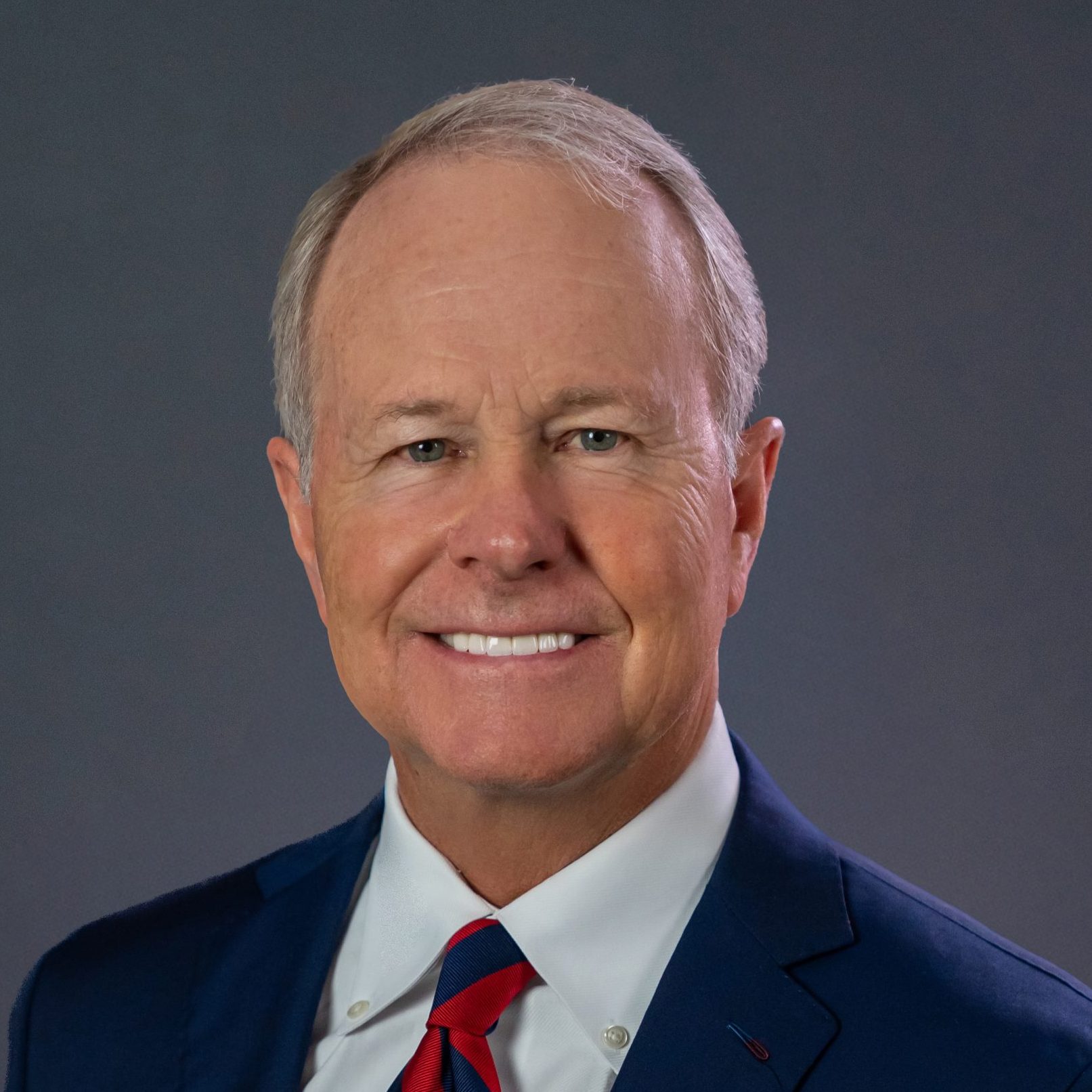 Steve Purves is president and CEO of Valleywise Health, Arizona’s largest public teaching hospital and safety net system. Since 2013, he has led a major financial turnaround and helped secure more than $1.8 billion in voter-approved bonds to modernize facilities and expand access to care. With more than 45 years of healthcare leadership experience, Purves is active in community and industry organizations and is dedicated to improving access to high-quality care for underserved populations.