While 84% of U.S. consumers say wellness is a “top” or “important” priority, per a recent 2026 poll by McKinsey, commercial real estate is activity responding to this growing need. In hospitality especially, hotels and resorts are focusing on how to expand their amenity packages to create experiences that enhance a traveler’s overall well-being. Leveraging emerging tech, focusing on user-centric design and leaning into the rise of healthcare innovation is how hoteliers will keep their competitive advantage through this next phase of the guest experience.



From a luxury or boutique property’s perspective, their small scale and faster decision-making times make them a prime testing market for new and unique technology. Finding ways to integrate technology into the experience that feels seamless and disappears into the guest experience will be integral. For example, several luxury brands are introducing smart beds that track sleep patterns, as well as sound therapy, biosensors and smart controls. In the same McKinsey poll, better sleep was the top wellness concern for millennials, and a close second for all respondents. As residential trends move further in this direction, travelers want the same luxuries they have at home and will seek out properties which offer that. “Sleep tourism” is a growing travel trend where the sole goal is to experience a vacation that enhances sleep quality and provides ultimate rest and relaxation. The future traveler will care more about the actual numbers that show how transformative their stay was in terms of health and wellness.
As the hospitality industry pivots, a submarket that is gaining significant traction is specialty wellness spaces. Combining hospitality-level customer service and attention to detail with innovations in health, these spaces offer individually tailored services that promote wellness like we’ve never seen before. Whether it is an extended stay at a wellness resort or a luxury health club with monthly memberships, consumers are willing to invest in new ways to improve their quality of life. Many luxury health clubs are focusing more on introducing recovery spaces and technology.
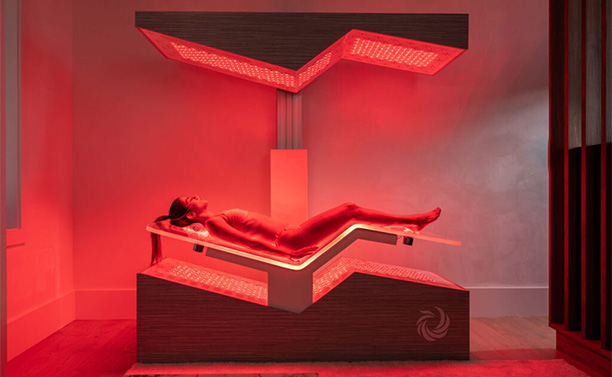
Between pushing ourselves mentally and physically in a culture that is fast paced and medical research showing the effects of long-term stress on our minds and bodies, experts are finding recovery is just as important as physical exercise. New amenities we are seeing implemented are meditation rooms, cryotherapy, light therapy, vibro-acoustic therapy and salt floats. Cold plunges, saunas and spas continue to be mainstays, but they are part of a more well-rounded offering.
The wellness sector has seen significant growth over the last several years, but the offerings regarding cognitive health, mindfulness and mental health, and longevity have been behind on meeting consumers’ needs, so the shift we are currently seeing is an attempt to close that gap. The key for many companies is to focus on amenities or marketing strategies that appeal to the enthusiasts while also keeping in mind the traditionalists who are hesitant with new technology or the shirkers who are very cost-conscious.
 Christina Johnson is creative director of Phoenix- and San Francisco-based Private Label International, a full-service interior design studio that develops hospitality environments and lifestyle brand experiences for clients worldwide.