 Psilocybin use could become legal in Arizona much sooner than employers realize, and there is already a blueprint for compliance.
Marijuana legalization in the United States has advanced piecemeal, state by state and city by city, but with steadily increasing momentum. California became the first state to legalize medical marijuana use in 1996, and Arizona did so in 2010. Colorado and Washington legalized recreational marijuana use in 2012. After Arizonans rejected a 2016 ballot measure to legalize recreational use by a 51–49 vote, they voted to legalize it in 2020. By 2025, 40 states had legalized medical marijuana use and 24 had legalized recreational use.


History has repeatedly shown that the public is generally receptive to legalizing medical use before it will support recreational use.
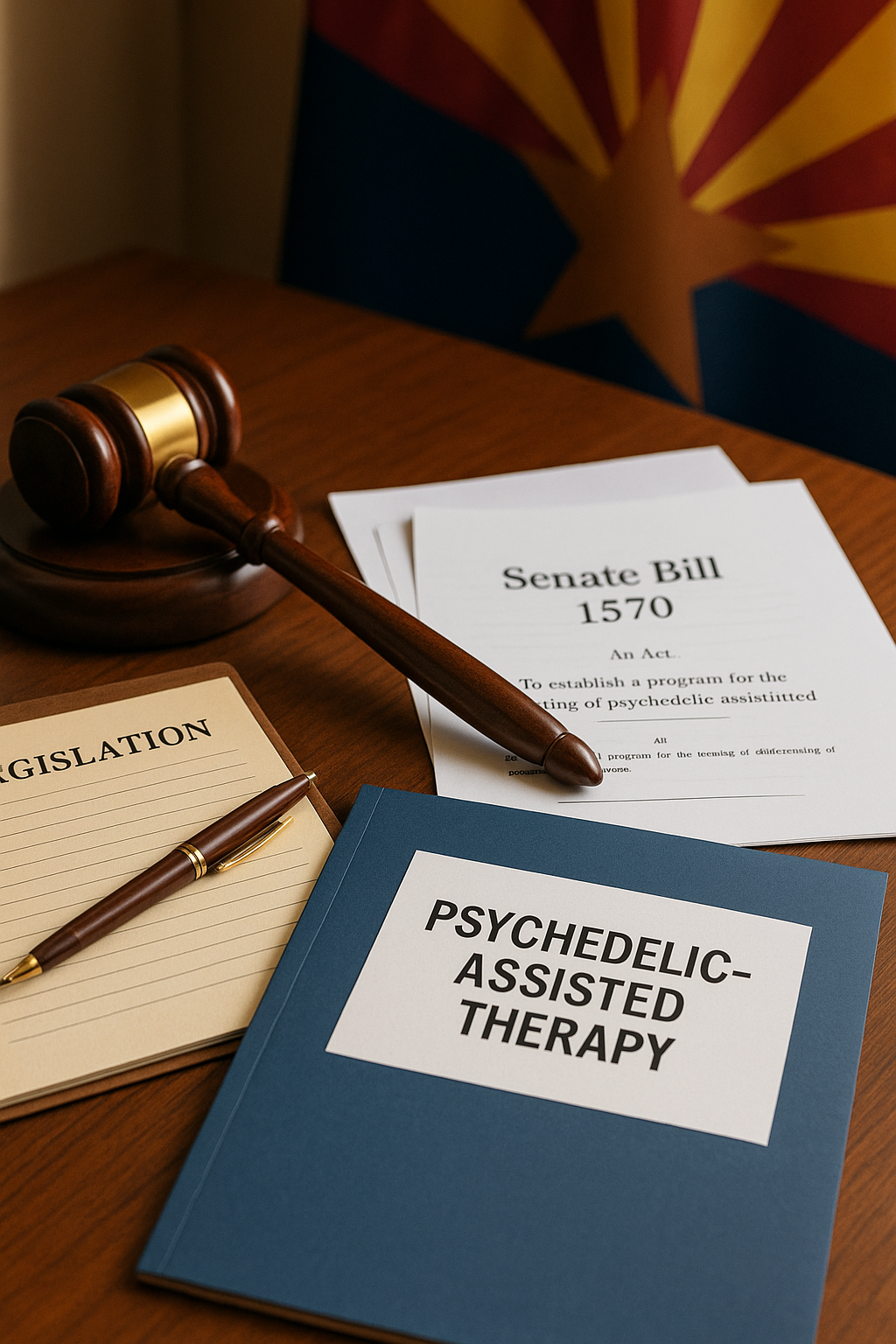
Legalization of psilocybin (also known as “magic mushrooms”) is following a remarkably similar path. Oregon and Colorado legalized “supervised” psilocybin use in 2020 and 2022, respectively, while Oakland; Washington, D.C.; Seattle; and many other cities decriminalized it starting in 2019. In 2024, Arizona’s legislature passed SB 1570, which, if enacted, would have created a system to license psychedelic-assisted therapy centers with a state advisory board to oversee legal psilocybin use to treat depression and PTSD. Arizona Governor Katie Hobbs vetoed this bill in June 2024 but simultaneously 1) approved a budget provision to allow continued use of a $5 million grant for state-funded psilocybin research and 2) publicly suggested she is willing to legalize psilocybin use to treat depression and PTSD should the research support that decision.
Governor Hobbs could have easily stymied efforts in Arizona to secure psilocybin legalization in the near future, but she instead may have widened a pathway to imminent legalization for medical use. This will likely soon impact employers across the state and may necessitate a review of current drug testing policies.
Impacts for Arizona Employers
Arizona is potentially on the precipice of legalizing medicinal psilocybin use, and history suggests this would likely be accompanied by law protecting employees who use psilocybin for medical purposes. This is exactly what happened when the Arizona Medical Marijuana Act was enacted in 2010 to legalize medical marijuana use and protect employees who are medical marijuana cardholders.
Arizona employers are now all too familiar with the landmines they must avoid to comply with the AMMA but, fortunately, strategies that limit an employer’s exposure to AMMA discrimination claims will also limit liability under any future laws protecting medicinal psilocybin users.
The AMMA generally prohibits Arizona employers from discriminating against employees and prospective employees based on their 1) status as a cardholder or 2) any drug test results positive for marijuana metabolites; it does not prohibit employers from terminating cardholding employees if they used, possessed or were impaired by marijuana during work. Additionally, an employer with a written drug-testing policy that satisfies all requirements in the Drug Testing of Employees Act is potentially shielded from liability it might otherwise face for taking action against an employee based on a good faith belief that the employee was impaired at work, or for preventing the employee from working in a “safety-sensitive” position (e.g., operating heavy machinery) based on a good faith belief that the employee is using marijuana.
Compliance Strategies for New Drug Laws
The future viability of certain defenses to AMMA claims and the odds of psilocybin legalization in the near future are both in flux, but employers can remain on solid ground by using an old method to comply with new law: if a manager suspects an employee is impaired at work (whether from marijuana, psilocybin or another drug), that manager should thoroughly document all observations that support this belief before ordering the employee to report for a drug test.
For example, managers should use a “Reasonable Suspicion Checklist” to document observations of an employee’s bloodshot eyes, slurred speech, drowsy demeanor, non-sensical statements and any other indicia of impairment. If and when Arizona employees can lawfully use medicinal psilocybin outside of work, employers can and should replicate this same strategy to document suspected on-the-job impairment from psilocybin. Employers should require managers to thoroughly document all signs of impairment they observe, without exception, and this would ideally always precede terminations that are based on suspected drug use during work.
Documentation of impairment is the most critical line of defense against AMMA discrimination claims, and this will not change for any legal claims employees may bring under future laws protecting medicinal psilocybin use.
J. Alexander Dattilo is a shareholder at Ogletree Deakins’ Phoenix Office and a member of the firm’s Drug Testing practice group. Dattilo devotes a substantial portion of his practice to litigating and advising on issues related to employee drug-testing that implicate the AMMA and DTEA.