 Success of wellness programs often lives in a grey area. Leadership approves budgets. HR launches platforms. Some employees sign up. Then what?
Here are the most common mistakes that prevent companies from proving the impact of their wellness programs.


- Not setting the right foundation: Before tracking numbers, businesses need to define the program’s purpose. Is the goal lower absenteeism, higher retention or fewer claims? They should also know the difference between return on investment, which measures financial payback, and value on investment, which tracks cultural gains. Clarity here helps leaders select benefits and metrics that truly align with business priorities.
- Mistaking sign-ups for success: Sign-ups are only the first step; sustained engagement is where real value stems. What’s important is to track ongoing logins, benefit use, workshop attendance and coaching sessions. Declining participation can signal a mismatch between program design and employee needs. Regular check-ins with participants can reveal what’s resonating and what needs adjusting to maintain momentum.
- Tracking the wrong health outcomes: Wellness metrics should align with the workforce’s most pressing risks. In construction, that might mean focusing on mental health and injury prevention rather than generic measures like steps walked, while in an office it could mean addressing ergonomics and stress management. Tailoring outcomes to industry realities ensures resources are spent where they matter most.
- Overlooking presenteeism: While absenteeism is easy to track, presenteeism — when employees are physically at work but not fully functioning — can be even more costly. A strong wellness program should move the needle on both. For example, mental health peer groups offer help when burnout begins to build, and leaders should watch for early warning signs such as reduced collaboration or slower task completion.
Proving impact turns “Then what?” into lasting engagement, measurable ROI and meaningful business change.
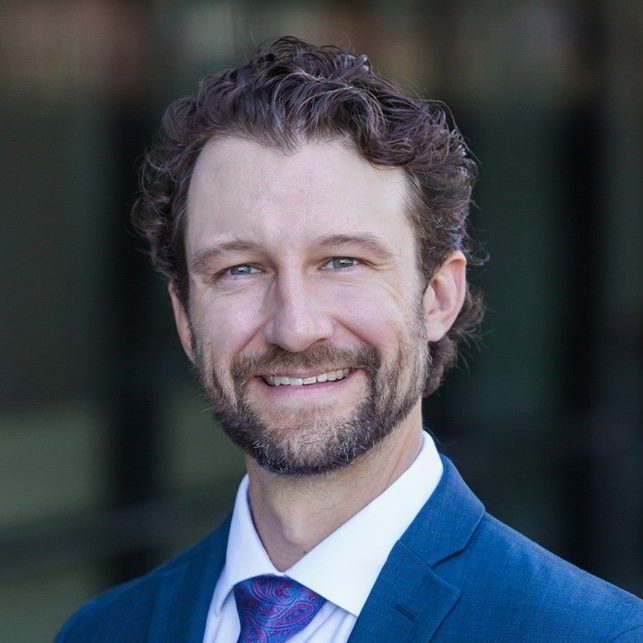 Cole Tsonis, GBA, is an associate vice president at Marsh McLennan Agency specializing in tailored health and benefits program design for organizations and their employees. He is based in Arizona.
This is Part II of “Building a Healthier Workforce (and Bottom Line) for a New Era of Employee Well-Being.”