When government shutdowns occur, small businesses face immediate financial hurdles as SBA loan approvals grind to a halt. During these uncertain periods, maintaining access to capital becomes critical for business survival and growth. As a lender with over 30 years in commercial banking, I’ve witnessed firsthand how these disruptions affect entrepreneurs and the creative solutions that emerge during challenging times.






While new SBA loan approvals stop completely during government shutdowns, the lending process doesn’t entirely freeze. Forward-thinking lenders continue processing applications, creating a pipeline ready for submission once operations resume. This preparation strategy ensures businesses can access capital with minimal delays after the government reopens.
Lenders who continue accepting and processing applications during shutdowns provide a valuable service to small businesses, ensuring they’re positioned at the front of the line when government operations resume.
At AVANA, we maintain continuous application processing during shutdowns, reviewing documentation, conducting due diligence, and preparing loan packages. This approach allows us to expedite approvals once the SBA resumes operations, minimizing the impact on small businesses waiting for capital.
Most shutdowns have historically been temporary, and lenders should take the opportunity to move applications from the pre-screen stage to full underwriting as you have the time to gather the necessary information and focus on your client. The 2019 government shutdown demonstrated the significant consequences of these disruptions. Federal data showed SBA closures reduced small business access to capital by approximately $90 million daily, affecting nearly 192 businesses each day. These statistics highlight why maintaining application pipelines is crucial for both lenders and borrowers. As the adage goes – control the things you can. Your clients will want to know that you are still working on their applications and that you are not shutting down for small businesses.
As shutdowns extend, businesses facing immediate capital needs must explore alternatives to SBA financing. Many entrepreneurs consider postponing planned expansions, equipment purchases, and property acquisitions that depend on government-backed loans. However, we’ve seen how hard it is for them to restart these projects even when they are necessary to a business’s growth, so we recommend they keep projects in motion.
For small business owners in this position, conventional commercial real estate loans offer one alternative, though they typically require larger down payments and may have shorter amortization periods than SBA products. Bridge financing can also provide temporary capital while waiting for SBA operations to resume, though at higher interest rates.
Some businesses turn to equipment financing or working capital lines of credit to address immediate needs. It is hard to say what to use as readily available cash, but the reality is, whatever you use, from credit cards to a line of credit on your home, is still going to be expensive. These products, while more accessible during shutdowns, often come with less favorable terms than SBA-guaranteed loans. This is where prudence dictates you evaluate what purchases can be stalled or moved out and what discretionary expenses can be put on hold so the need for cash or liquidity becomes less urgent. It also means you have the ability to use internal cash to get through this period as opposed to relying on external debt.
For businesses with strong cash flow and established banking relationships, conventional term loans may provide a viable alternative. These loans typically process faster than SBA loans even during normal operations, making them particularly valuable during shutdowns.
The key is working with experienced enders who understand your industry and can recommend appropriate alternatives based on your specific situation and timeline.
During government shutdowns, the value of established lender relationships becomes magnified. Lenders who know your business personally can provide crucial guidance on navigating the uncertainty of suspended SBA operations.
These relationships enable honest conversations about contingency plans, alternative financing options, and realistic timelines for capital access. A lender familiar with your business history can more effectively advocate for your application once operations resume and can determine whether your business gets funded or faces rejection. This lender understands your company’s operations, history, and the specific factors that drive your business through seasonal cycles.
They know your cash flow patterns and debt service capacity, which allows them to recommend the most suitable financing structure for your needs.
A knowledgeable personal lender won’t suggest a revolving line of credit for equipment purchases since equipment provides value for multiple years. Instead, they match assets with appropriate financing terms – pairing long-term equipment purchases with term loans rather than short-term credit lines. This strategic approach aligns the duration of your debt with the useful life of your assets, creating a more sustainable financial structure for your business.
No matter what path business owners elect to take, communication becomes essential during these periods. Regular updates between lenders and borrowers help manage expectations and allow for adjustments to business plans based on the shutdown’s duration.
The SBA’s core lending programs have long drawn bipartisan support and typically operate at zero subsidy—funded by borrower and lender fees rather than taxpayer appropriations. This structure provides confidence that operations will eventually resume, as these programs are essential to economic growth.
Small businesses employ approximately 46% of the U.S. private workforce and create the majority of net new jobs. Ensuring capital flows to these enterprises remains vital for economic health, which is why experienced lenders maintain operations during shutdowns, knowing that SBA guarantees will ultimately be honored.
By combining strong lender relationships with strategic planning, small businesses can weather the challenges of government shutdowns while positioning themselves for success when normal operations resume.
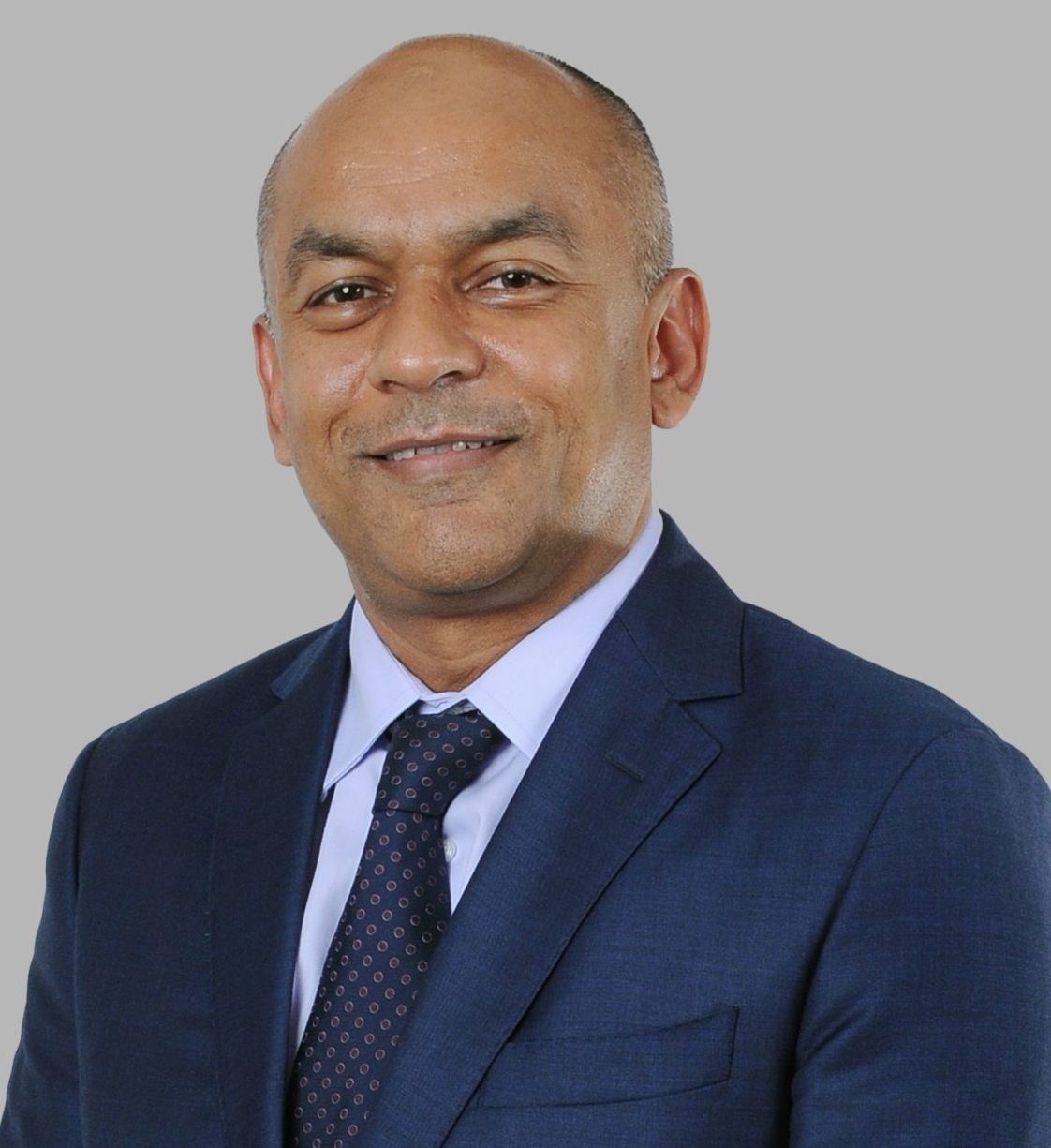 Sundip Patel Sundip Patel is Co-Founder and Chief Executive Officer of AVANA Companies, a small-business lender, and private credit investment and asset manager. Since founding AVANA Companies 23 years ago, Sundip has cultivated a family of seven world-class lending and asset management brands that use capital to provide private debt financing in the United States and beyond while also offering private credit commercial investment opportunities to institutional and individual investors. Each brand is committed to AVANA’s mission: Delivering Capital for a Better Tomorrow, with a keen eye on social and environmental impact.